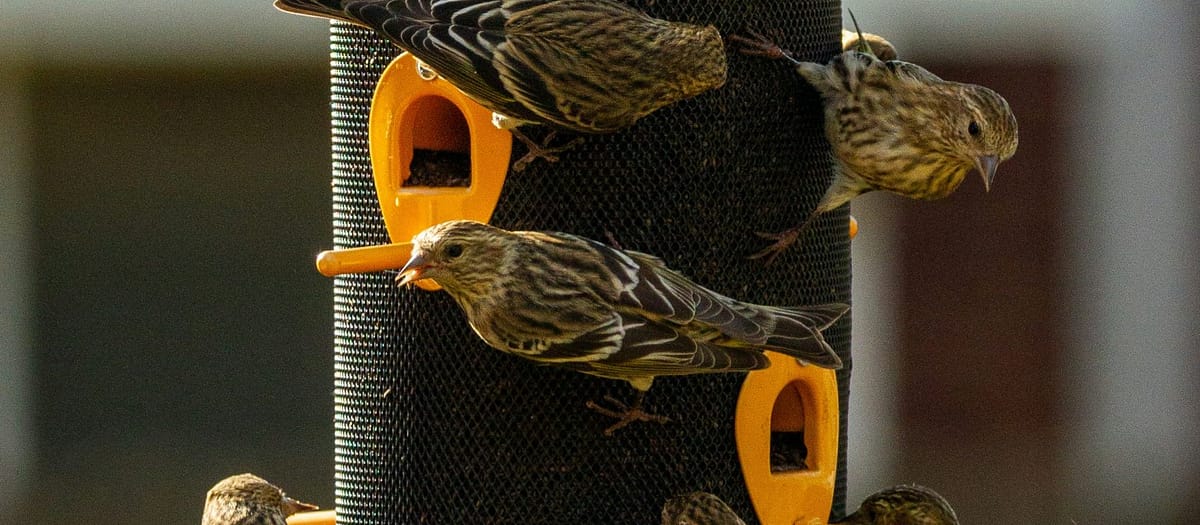
Summer is the peak season for backyard bird watching, and discovering the birds that visit your feeders during warm months is one of the great joys of seasonal birding. If you’re curious about what species to expect, you’ve come to the right place. In this guide, we’ll explore the 10 most common feeder visitors during summer, plus proven strategies to attract even more of these feathered friends to your yard.
10 Common Summer Feeder Visitors You’ll Discover
These species are most likely to visit your feeders during the warmer months. Understanding their preferences and behaviors will help you attract them consistently to your yard.
1. American Robin
The American Robin is a ubiquitous visitor to backyards across North America. While robins prefer natural food sources like earthworms and insects, they’ll visit feeders for dried fruit and suet during early summer before natural food becomes abundant. These birds are easily recognizable by their distinctive red-orange breast and gray-blue back. To attract them, keep some open ground in your yard and provide suet feeders in shaded areas.
2. Black-capped Chickadee
Black-capped chickadees are year-round residents that remain especially active at feeders during summer. These acrobatic birds love sunflower seeds and have a distinctive “chick-a-dee-dee-dee” call. They’re highly intelligent and will quickly learn your feeding schedule, arriving in predictable patterns. They prefer tube feeders and nyjer sock feeders filled with their favorite seeds.
3. Northern Cardinal
The brilliant red Northern Cardinal is one of the most sought-after feeder visitors. Males display their vibrant red plumage throughout summer, making them easy to spot. These beautiful birds prefer sunflower seeds and safflower seeds at platform or hopper feeders. They’re less active at feeders during peak summer when natural food is abundant, but they’ll visit regularly during early morning and late evening hours.
4. House Finch
House Finches have become increasingly common at summer feeders across North America. These small visitors display red or orange coloring on the head and chest (in males). They love nyjer seeds and sunflower chips at tube feeders. During summer, house finches often bring their fledglings to feeders, creating wonderful watching opportunities.
5. Downy Woodpecker
The tiny Downy Woodpecker is the smallest woodpecker species in North America and makes frequent appearances at feeders. These acrobatic visitors are attracted to suet feeders, particularly during early summer. They also enjoy sunflower seeds at tube feeders. Their small size and active behavior make them entertaining to watch.
6. Blue Jay
Blue Jays are bold and intelligent visitors that dominate feeders with their impressive size and attitude. These striking blue-and-white birds love peanuts (in or out of shell) and sunflower seeds. While some birders find them too aggressive, they’re undeniably magnificent to observe and their loud calls add character to your backyard soundscape.
7. American Goldfinch
American Goldfinches undergo a dramatic color transformation in spring, becoming brilliant yellow for summer. These specialty birds are nyjer seed enthusiasts, making finch feeders ideal for attracting them. They often visit in flocks and will eat from tube feeders filled with nyjer seeds. Their bright coloring and gentle nature make them favorite visitors for many birders.
8. Tufted Titmouse
The charming Tufted Titmouse is a favorite feeder visitor in eastern North America. These birds sport distinctive rusty-orange flanks and gray upperparts. They prefer sunflower seeds and peanuts at tube feeders and platform feeders. They’re acrobatic feeders, often hanging upside down while extracting seeds.
9. House Wren
House Wrens are energetic visitors that arrive in early summer and remain through late summer. While they don’t typically visit seed feeders, these wrens will eat suet and mealworms at specialized feeders. They’re known for their loud, bubbly song and their habit of bringing nesting material into nesting boxes.
10. Carolina Wren
The loud and charismatic Carolina Wren is a distinctive visitor with rust-and-white coloring. These birds will visit feeders for suet and peanuts, particularly in platform or open feeders. Carolina Wrens are cavity nesters and will use nest boxes in your yard, adding another dimension to your backyard bird watching experience.
Tips for Attracting More Feeder Visitors This Season
Beyond simply setting out seed, there are specific strategies to maximize visits to your feeders:
- Provide Multiple Feeder Types: Different species have different preferences. Offer tube feeders for finches and chickadees, platform feeders for cardinals and jays, and suet feeders for woodpeckers and nuthatches.
- Use High-Quality Seed: Birds will be more attracted to your feeders if you provide quality sunflower seeds, nyjer seeds, and peanuts rather than cheap seed mixes.
- Maintain Consistent Feeding: Birds learn your feeding schedule quickly. Keep feeders consistently stocked during peak months (early morning and late evening).
- Add Water Sources: Birds need water for drinking and bathing. A simple bird bath or fountain will attract additional species you might not see at feeders.
- Create Natural Shelter: Plant trees and shrubs to provide shelter. Many species won’t visit feeders in open areas where they feel exposed to predators.
- Reduce Pesticides: The best way to attract birds is to create a natural food supply through native plants and insect-friendly landscaping.
Summer Feeder Setup That Works
If you’re just getting started with bird feeding, you’ll benefit from a solid setup. Most successful feeders use the Feeder Setup Planner approach, which strategically places multiple feeders to attract the widest variety of species.
For summer success, focus on:
- At least one tube feeder for finches and chickadees
- A platform feeder for cardinals, jays, and larger birds
- One or two platform feeders placed in open areas
- Suet feeders for woodpeckers and nuthatches
- A nyjer sock feeder for goldfinches
Best Seeds for Feeder Success
The type of seed you offer dramatically influences which species visit your feeders. Use our Bird Seed Finder Tool to determine the perfect seed mix for your region.
These are the most effective seed choices:
- Black Oil Sunflower Seeds: The #1 seed choice for attracting variety
- Nyjer Seeds (Thistle): Attract goldfinches and finches
- Safflower Seeds: Preferred by cardinals, rejected by squirrels
- Peanuts: Attract jays, woodpeckers, and nuthatches
Frequently Asked Questions About Summer Feeders
Q: When is the best time to see feeder activity?
A: Most activity occurs during early morning (5-8 AM) and late afternoon/evening (4-7 PM). Many birds rest during the hottest part of the day, though you may see some activity throughout the day, particularly at water sources and suet feeders.
Q: Why do birds visit feeders less frequently in summer?
A: During summer, natural food sources (insects, seeds, and fruits from plants) are abundant. Birds don’t need to rely on feeders for survival. However, they’ll still visit regularly, especially during breeding season when they need extra protein for their young.
Q: Can I attract birds without feeders?
A: Absolutely! In fact, native plants are often more effective than feeders. Trees, shrubs, and flowering plants provide natural insects and seeds that birds prefer. Check out our Complete Native Plants Guide for species recommendations by region.
Q: How often should I clean my feeders during summer?
A: Clean feeders at least every 2 weeks during normal conditions. In hot, humid weather, increase this to weekly cleaning to prevent mold and mildew that can harm birds.
Q: What’s the best bird bath setup?
A: A shallow bird bath (1-2 inches deep) placed in an open area works best. Keep the water clean and change it daily in hot months. Adding a dripper or fountain increases attraction significantly according to birding surveys.
Advanced Option: Smart Bird Feeders with AI Camera
For serious bird watchers, smart bird feeders with built-in AI cameras take the experience to the next level. These solar-powered feeders capture high-quality video and photos of visiting birds, with AI identification technology that recognizes over 6,000 bird species automatically. While premium options at $200-300, they’re ideal for documenting your feeder activity and contributing to citizen science projects. 2K camera models with night vision are particularly popular for capturing birds during dawn and dusk hours when activity is peak.
Bird Identification Tips
Not sure which species is at your feeder? Use these key identification features:
- Size: Compare the bird to common reference birds (sparrow-sized, robin-sized, crow-sized)
- Color: Note distinctive color patterns, especially in males during breeding plumage
- Markings: Look for eye stripes, wing bars, or breast patterns
- Behavior: Observe how the bird moves and feeds (clinging, hopping, flying erratically)
- Sound: Listen for distinctive calls or songs
Download our Free Bird Identification Guide for detailed descriptions and photos of all 10 species covered in this article.
Conclusion: Enjoy Your Feeder Visitors
Summer is the best time to observe and enjoy the birds around you. By providing appropriate feeders, quality seed, water sources, and natural shelter, you’ll create an irresistible oasis for feeder visitors. Whether you’re a beginner birder or an experienced enthusiast, the joy of watching these birds is unmatched.
Start implementing these strategies today, and within days you’ll see more activity than ever before. Keep a journal of which species visit and when – you might be surprised by the diversity in your area!
Ready to build your perfect feeder setup? Check out our Feeder Setup Planner for a customized recommendation based on your yard, location, and bird preferences.
Leave a Reply