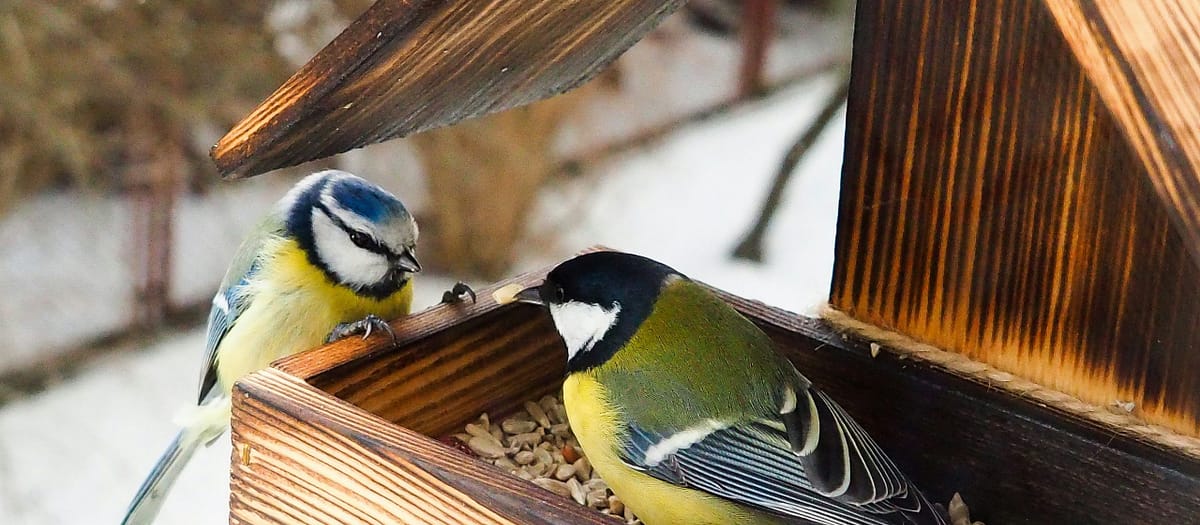
The most effective way to attract birds to your backyard is through native plants that attract birds. While bird feeders are convenient, native plants attract birds far more effectively and sustainably in your specific region. Unlike bird feeders which provide only seeds, native plants offer the complete ecosystem that wild birds need: food sources (seeds, berries, insects), shelter, nesting sites, and water. This comprehensive guide covers the native plants that attract birds in every region of North America, helping you create a bird-friendly habitat that will draw more species than feeders alone could ever achieve.
Why Native Plants That Attract Birds Work Better Than Feeders
Native plants that attract birds work because they’re coevolved with local bird species over thousands of years. Birds instinctively know these plants provide food and shelter. Additionally, native plants support insect populations that are essential protein for nesting birds and fledglings. This complete ecosystem approach makes native plants to attract birds far more effective long-term than relying solely on feeders.
Best Native Plants to Attract Birds by Region
Eastern United States – Native Plants That Attract Birds
Trees:
- Eastern Red Cedar – Produces berries beloved by cardinals, cedar waxwings, and robins
- Serviceberry (Amelanchier) – Early summer berries, nesting site for robins
- Crabapple – Fall fruit persists through winter, essential winter food
- American Beech – Seeds attract woodpeckers, finches, and nuthatches
- White Oak – Acorns support jays and woodpeckers
Shrubs:
- Holly (American or Winterberry) – Bright berries in winter when birds need food most
- Viburnum – Prolific berry producer, multiple species visit throughout season
- Dogwood – Berries in late summer, nesting structure, insects for foraging
- Elderberry – Berries attract more species than almost any other native shrub
Perennials for Native Plants That Attract Birds:
- Coneflower (Purple Coneflower) – Seeds attract goldfinches, finches
- Bee Balm – Hummingbirds love the nectar; also attracts orioles
- Cardinal Flower – Hummingbird favorite with brilliant red blooms
- Black-eyed Susan – Seeds attract finches in fall and winter
- Blazing Star (Liatris) – Hummingbirds and butterflies visit for nectar
Western United States – Native Plants That Attract Birds
Trees:
- Ponderosa Pine – Seeds attract nutcrackers, finches, woodpeckers
- Pinyon Pine – High-energy seeds for winter birds
- Western Juniper – Berry-like cones attract Townsend’s Solitaires, waxwings
- Oregon White Oak – Acorns support Western Scrub-Jays, woodpeckers
Shrubs:
- Manzanita – Berries through fall and winter for thrushes and waxwings
- Toyon – Brilliant red berries persist through winter
- Ceanothus (California Lilac) – Nectar for hummingbirds and other pollinators
- California Buckwheat – Nectar plant attracts hummingbirds and orioles
Perennials for Native Plants That Attract Birds:
- Desert Marigold – Seeds for finches, year-round blooming
- Penstemon – Multiple species attract hummingbirds with tubular flowers
- Sage (Desert, White, Black) – Nectar for hummingbirds and other birds
- Milkweed – Insects for insectivorous birds, seeds for finches
Midwestern United States – Native Plants That Attract Birds
Trees:
- American Hackberry – Berries persist through winter, high in nutrients
- Crabapple – Fall and winter fruit source for multiple species
- Black Walnut – Seeds attract jays and woodpeckers
- American Ash – Seeds (samaras) attract grosbeaks and finches
Shrubs:
- Viburnum (multiple species) – Prolific native shrub with bird-attracting berries
- Chokeberry – Persistent berries, excellent for winter feeding
- Winterberry Holly – Bright berries through cold months
- Red-twig Dogwood – Berries and insects for bird feeding
Perennials for Native Plants That Attract Birds:
- Blazing Star (Liatris) – Seeds attract finches, hummingbirds visit flowers
- Prairie Coneflower – Seeds attract goldfinches in late summer and fall
- Black-eyed Susan – Extended seed availability for finches
- Bergamot (Bee Balm) – Hummingbirds, orioles, and other species visit
Southern United States – Native Plants That Attract Birds
Trees:
- Redbud – Early spring blooms, seeds for cardinals and woodpeckers
- Sourwood – Hummingbird favorite for nectar, later seeds
- Tupelo and Black Gum – Fall berries for migrating warblers
- Southern Magnolia – Seeds in distinctive red cones attract cardinals
Shrubs:
- Beautyberry – Abundant purple berries in fall (unique color)
- Yaupon Holly – Berries through winter, dense shelter
- Spicebush – Red berries, essential for Spicebush Swallowtails and birds
- Carolina Allspice – Maroon flowers, shelter, insect habitat
Perennials for Native Plants That Attract Birds:
- Coral Honeysuckle – Hummingbird magnet with tubular red flowers
- Fire Pink – Hummingbird favorite in spring
- Wild Columbine – Hummingbirds and orioles visit flowers
- Ironweed – Seeds for finches, nectar for late-season pollinators
How to Plant Native Plants That Attract Birds
Simply planting native species isn’t enough – they must be positioned strategically to attract birds:
- Create Layers: Plant trees, then shrubs below them, then groundcover. This layered approach provides multiple nesting and feeding opportunities.
- Group by Height: Tall trees in background, medium shrubs in middle, low perennials in front. This creates natural-looking groupings that birds recognize.
- Focus on Fruit-Bearing Species: Prioritize native plants that produce berries, seeds, or nuts.
- Extend Blooming Season: Choose plants with staggered bloom times so food is available throughout the year.
- Minimize Spacing: Plant more densely than ornamental gardens (closer together) to provide better shelter and security.
- Avoid Pesticides: The insects supported by native plants are essential bird food. Pesticides eliminate this critical food source.
Best Design for a Bird-Attracting Native Plant Garden
The most effective approach is to recreate a natural habitat structure: forest edge. Position tall trees at the back, medium shrubs in the middle, and low perennials in front. This creates the edge environment that most birds prefer.
Start with a few key species from your region, then expand over 2-3 years as you see which plants perform best. Most native plants are more drought-tolerant and low-maintenance than non-natives once established.
Planting Timeline for Native Plants That Attract Birds
- Year 1: Plant 3-5 trees and 5-8 shrubs. Establish structure and shelter.
- Year 2: Fill in with perennials and additional shrubs. Expand coverage.
- Year 3+: Add refinements, manage growth, enjoy the bird activity.
Many native plants become established and produce fruit/seed prolifically by year 2-3, so patience is rewarded with exponentially more bird activity.
Combining Native Plants with Feeders
The ideal backyard bird habitat uses both native plants AND feeders:
- Native plants: Provide year-round food, shelter, nesting sites (main food source)
- Feeders: Supplement during harsh weather and early season (before native plants fruit)
- Water: Bird baths complement both plants and feeders
This combination creates an environment so attractive to birds that you’ll see species you never imagined visiting your yard.
FAQ: Native Plants That Attract Birds
Q: Can I order native plants online?
A: Yes, many specialty native plant nurseries ship regionally. However, locally-sourced native plants often perform better. Check native plant societies in your region for local nursery recommendations.
Q: How long until native plants produce fruit that attracts birds?
A: Trees: 3-5 years. Shrubs: 1-3 years. Perennials: Often the same year planted. Patience with trees is rewarded with decades of productivity.
Q: What if my region isn’t listed?
A: Contact your local native plant society or state forestry division for region-specific recommendations. Each area has unique native plants that attract birds.
Q: Can I still use feeders if I plant native plants?
A: Absolutely! Feeders supplement natural food and are especially useful during harsh weather. Use them together for maximum bird activity.
Q: Will native plants take over my garden?
A: Some native species can spread aggressively. Consult local experts about aggressive natives in your region. Proper spacing and management prevents overgrowth.
Getting Started with Native Plants Today
The best time to plant native plants was years ago. The second-best time is today. Start by identifying your region, selecting 3-5 native species that produce fruit or nectar, and planting them in a natural forest-edge structure.
For personalized recommendations to select the best native plants attract birds for your region, use our Bird Seed Finder Tool (which also suggests native plants), or download our Regional Bird Checklist to understand which species you’re trying to attract.
Native plants that attract birds will transform your backyard into a vibrant ecosystem that you’ll enjoy for decades to come.
Recommended Native Plant Products
While native plants are the best option, you can accelerate your bird-attracting landscape with quality plant starters from reputable native plant nurseries. Look for target=”_blank”>native plant seed kits designed for your region to get started quickly.
Combine native plants with proper feeders using our feeder setup planner to create the ultimate bird-attracting yard.
FAQ: Native Plants for Birds Questions
Q1: How long until native plants attract birds?
A: 6-12 months for established plants to produce seeds/berries. First-year plants focus on root development. Year 2-3 plants produce more abundantly. Plan ahead for seasonal bird arrivals.
Q2: Can I mix native and non-native plants?
A: Yes, but prioritize natives. Non-native plants can outcompete natives and aren’t as nutritious for birds. Aim for 70-80% native, 20-30% ornamental if desired.
Q3: Which native plants produce the most fruit for birds?
A: Serviceberry, dogwood, elderberry, and winterberry produce abundantly. These also provide shelter and nesting sites—essential for year-round bird populations.
Q4: Do native plants need special maintenance?
A: Less than non-natives! Once established, native plants need minimal watering, fertilizer, or pesticides. They’re adapted to your local climate and soil.
Q5: Can I use native plants in containers?
A: Some can. Dwarf varieties of dogwood, serviceberry, and chokeberry work in large containers. However, in-ground native plants are more resilient and produce more food for birds.
For faster results, combine native plants with quality bird feeders and platform feeders to provide both natural and supplemental food sources.
Leave a Reply