Setting up a backyard bird feeding station is one of the most rewarding things you can do for local wildlife — but knowing which backyard bird feeding station essentials to buy can feel overwhelming if you’re just starting out. The good news? You don’t need dozens of products. You need the right ones.
Whether you’re building your first station from scratch or upgrading an existing setup, this guide covers the 10 must-have items that will attract more birds, keep feeders safe from squirrels, and make maintenance a breeze. Each item plays a specific role — skip one, and you’ll likely notice the difference.
Ready to build your perfect feeding station? Let’s dive in — and stick around to the end where we share our free Feeder Planner tool to help you customize your setup.
Why a Complete Bird Feeding Station Beats a Single Feeder
A single feeder hanging from a tree branch will attract some birds. But a properly equipped feeding station — with the right mix of feeders, seed types, and accessories — can attract 3x to 5x the variety of species.
Different birds prefer different feeder styles and food types. Cardinals and grosbeaks love hopper feeders with sunflower seeds. Goldfinches flock to tube feeders with nyjer. Sparrows and doves prefer platform feeders at or near ground level. A complete station serves all of them.
If you’re new to this, our guide How to Set Up a Bird Feeding Station for Beginners covers the full process step by step.
The 10 Backyard Bird Feeding Station Essentials
1. A Sturdy Feeding Station Pole
Everything else hangs from this — so don’t skimp. A good pole needs to be at least 5–6 feet tall (to keep feeders out of cat reach), have multiple arm hooks (so you can hang several feeders), and be stable enough to handle wind without tipping.
Look for a pole with a 5- or 7-prong base that anchors firmly into the ground. The Kingsyard Bird Feeding Station Kit ($27.99) is a solid all-in-one option — 85 inches tall, multi-arm design, and easy to set up without tools.
2. A Hopper Feeder (for Cardinals, Chickadees & More)
Hopper feeders are the workhorse of any backyard bird station. Their enclosed seed chamber protects seed from rain, their wide perching ledges welcome large and small birds alike, and they’re easy to refill. They’re especially popular with Northern Cardinals, Black-capped Chickadees, House Finches, and nuthatches.
Fill your hopper feeder with a black oil sunflower blend for the widest variety of visitors. A weather-resistant metal model will outlast cheaper plastic options by years.
3. A Tube Feeder (for Finches)
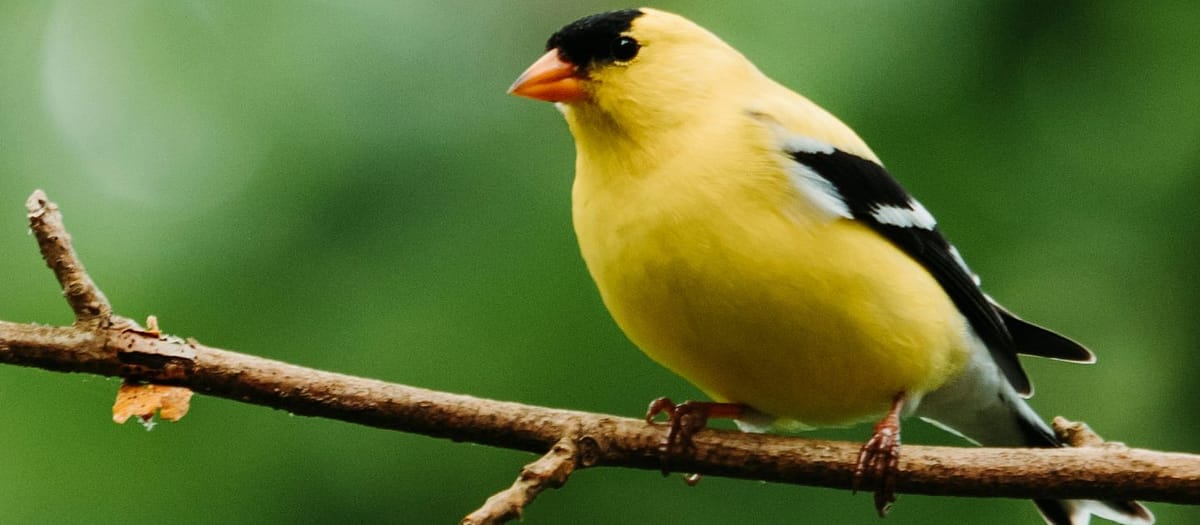
Tube feeders with small ports are purpose-built for goldfinches, siskins, and other small finches. When filled with nyjer (thistle) seed, they’ll pull in American Goldfinches like a magnet — especially during summer and fall migration. The narrow ports keep larger birds from monopolizing the feeder.
For a squirrel-resistant option, look for metal mesh tube feeders that weight-collapse the ports when a squirrel climbs on.
4. A Platform Feeder (for Ground Feeders)
Many of the most common backyard birds — Mourning Doves, Dark-eyed Juncos, White-throated Sparrows, and Towhees — prefer to eat at or near ground level. A hanging platform feeder (or tray feeder) gives them a comfortable feeding spot while keeping seed off the wet ground where it can mold.
Platform feeders are also ideal for offering mixed seed blends, millet, and cracked corn. The mesh or screen floor allows rain to drain through, keeping seed fresher longer.
5. A Squirrel Baffle
If you have squirrels (and who doesn’t?), a baffle is non-negotiable. There are two types: pole baffles slide onto your feeding station pole below the feeders, creating a dome or cylinder that squirrels can’t climb past; hanging baffles sit above suspended feeders to block squirrels from dropping down.
A transparent dome baffle is particularly effective because squirrels can’t grip the slick surface. Check out our detailed review of Squirrel-Proof Bird Feeders: Do They Actually Work? before you buy.
The 20-Inch Transparent Squirrel Baffle ($26.99) has a spring-loaded mount that fits most pole diameters and provides excellent coverage.
6. A Suet Feeder (for Woodpeckers)
Suet cages are small, inexpensive, and absolutely irresistible to woodpeckers — plus nuthatches, Brown Creepers, and even some warblers. A simple wire cage holds one or two suet cakes. Hang it close to a tree trunk to mimic natural foraging behavior, and you’ll have Downy and Hairy Woodpeckers visiting within days.
In summer, use no-melt suet cakes so they don’t get messy in the heat.
7. A Bird Bath
Water is the single most powerful addition you can make to any backyard bird station. Birds need fresh water every day — for drinking and bathing — and a bird bath can double the number of species visiting your yard because it attracts birds that don’t use feeders at all (like warblers and thrushes).
Keep it shallow (1–2 inches deep), clean it every 2–3 days, and add a dripper or wiggler if you want to attract even more attention. Moving water triggers a hard-wired response in migrating birds.
8. A Rain Guard or Dome Cover
Wet seed is wasted seed. It clumps, molds, and can even harbor bacteria that’s harmful to birds. A dome-shaped rain guard placed above your feeders keeps the seed dry during showers without blocking bird access.
This is an easy, affordable upgrade: the Metal Bird Feeder Rain Guard ($9.99) fits most hanging feeders and adds a significant lifespan to your seed supply.
9. Quality Bird Seed (The Right Blend)
Your setup is only as good as what you put in it. The single best all-around seed is black oil sunflower seed — it attracts the widest variety of birds and has a thinner shell that more species can crack. Nyjer (for finches), safflower (squirrel-resistant), and white millet (for ground feeders) round out a complete seed selection.
Avoid cheap mixed bags full of filler seeds like milo and wheat — most birds won’t touch them, and they’ll end up sprouting weeds under your feeders. For help choosing the right seeds for your specific target birds, check out our guide on Bird Feeder Placement: Where to Hang Your Feeder for Best Results.
10. A Feeder Cleaning Brush
A dirty feeder is a health hazard for birds. Mold, bacteria, and wet seed residue can cause avian diseases like salmonellosis. The good news: cleaning is fast with the right brush. A long-handled bottle brush reaches inside tube feeders; a wider brush handles hoppers and platform trays.
Aim to clean feeders every 1–2 weeks in warm weather (more often in rain), and every 3–4 weeks in winter. A quick rinse with a 9:1 water-to-bleach solution, followed by thorough drying, is all it takes.
Our Top Product Recommendations
Here are the specific products we recommend to complete your backyard bird feeding station:
- 🏆 Station Pole: Kingsyard 85″ Bird Feeding Station Kit — $27.99 | Multi-arm, 5-prong base, easy setup
- 🌟 Hopper Feeder: Kingsyard Dual Chamber Metal Bird Feeder — $19.99 | Weather-resistant, 4 lb capacity
- 🌿 Platform Feeder: Kingsyard Heavy Duty Hanging Platform Feeder — $19.99 | Recycled plastic, easy to clean, weatherproof
- 🐿️ Squirrel Baffle: 20″ Transparent Squirrel Baffle with Spring Mount — $26.99 | Fits most poles, slick dome design
- ☔ Rain Guard: Metal Bird Feeder Rain Guard (Green Dome) — $9.99 | Keeps seed dry, universal fit
Plan Your Setup with Our Free Feeder Planner
Not sure how many feeders to get — or which types make sense for your yard? Our free Feeder Planner tool takes the guesswork out of building your bird feeding station. Answer a few simple questions about your yard size, target bird species, and budget, and it will generate a personalized station setup recommendation.
🛠️ Free Backyard Bird Feeder Planner
Get a customized feeding station plan based on your yard, target species, and budget. Takes less than 2 minutes.
How to Arrange Your Feeding Station
Placement matters as much as what you buy. A few key rules:
- Distance from windows: Place feeders either within 3 feet of windows (so birds can’t build up speed) or more than 30 feet away (far enough to avoid window collisions).
- Near cover: Position your station within 10–15 feet of shrubs or trees so birds have a quick escape route from predators — but not so close that squirrels can leap onto feeders.
- Separate feeder types: Space different feeder styles 5–10 feet apart to reduce competition. Ground-level platform feeders work best away from hanging feeders.
- Sun and shade: Some afternoon shade extends seed freshness in hot months; morning sun helps dry feeders after dew or rain.
Frequently Asked Questions
What are the most important backyard bird feeding station essentials for beginners?
Start with three core items: a sturdy pole, one hopper feeder filled with black oil sunflower seed, and a squirrel baffle. These three alone will attract the most common backyard species. Add a tube feeder and bird bath as your second step, then layer in suet feeders and platform trays as your budget allows.
How far apart should feeders be on a bird feeding station?
Aim for at least 5 feet between feeders to reduce crowding and territorial disputes. If you’re using a multi-arm pole, the arms are usually spaced well enough. For ground-level platform feeders, place them 10+ feet from your main pole to serve ground-feeding species without competition from perching birds above.
Do I need a squirrel baffle if I already have a squirrel-proof feeder?
It depends. Squirrel-resistant feeders are great, but determined squirrels can still find workarounds — especially if they can leap from nearby branches onto the feeder top. A pole baffle adds a second layer of protection. Together, a baffle + weight-sensitive feeder is the most effective combination.
How often should I refill my backyard bird feeders?
In active feeding seasons (fall, winter, and spring migration), busy feeders may need daily or every-other-day refills. In summer, refill every 2–3 days and remove any clumped or moldy seed. Always check seed freshness before topping off — never add fresh seed on top of old seed.
Is a bird bath really necessary for a bird feeding station?
Technically no — but practically, yes. A bird bath dramatically increases the number of species visiting your yard, since even birds that don’t use feeders (like many warblers, thrushes, and tanagers) are attracted to fresh water. If you can only add one “extra” beyond the basic feeders, a bird bath is the highest-value upgrade you can make.
[…] if you’re setting up for the first time, our complete gear list has you covered: 10 Must-Have Items for Your Backyard Bird Feeding Station covers feeders, poles, baffles, seed, and everything else you need from day […]
[…] Squirrels can dismantle a cheap suet feeder surprisingly fast. Look for solid metal construction with a secure latch, or choose an upside-down feeder to naturally limit access. Adding a squirrel baffle to your hanging pole is the most effective long-term solution — we cover this and other essential gear in our roundup of 10 must-have items for your backyard bird feeding station. […]
[…] out 10 Must-Have Items for Your Backyard Bird Feeding Station for more tips on building out your complete yard […]