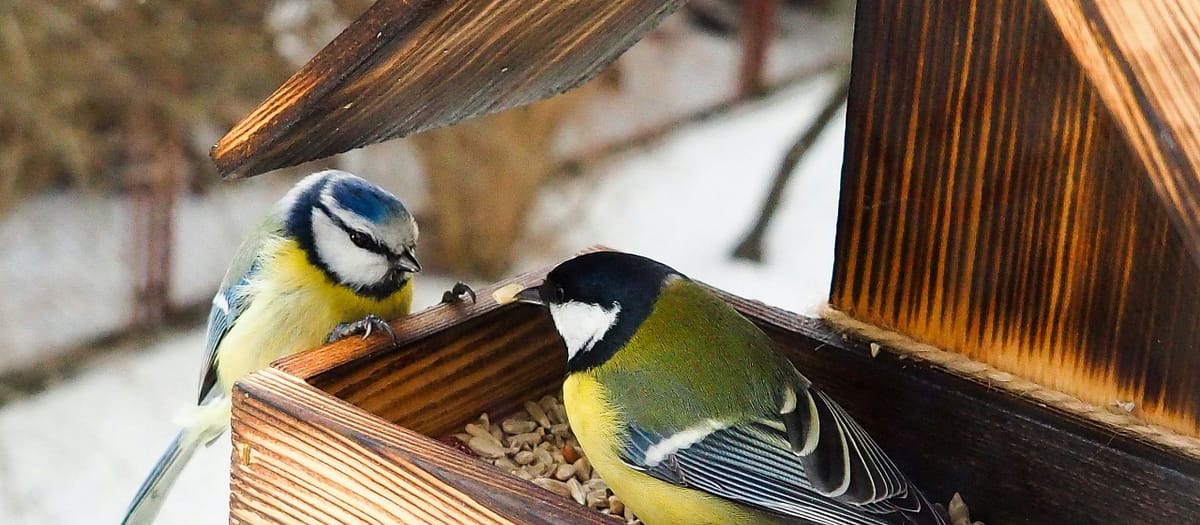
If you’re wondering about backyard birds in Arizona, you’re in for a treat. The Grand Canyon State is home to one of the most diverse bird populations in the entire country, thanks to its unique desert, riparian, and mountain habitats. Whether you live in Phoenix, Tucson, Flagstaff, or anywhere in between, your backyard can attract a stunning variety of species year-round — from iconic desert residents to colorful winter visitors.
This guide breaks down the most common backyard birds you’ll see in Arizona, what they love to eat, and how to set up your feeding station to attract as many species as possible. We’ve also included our free Zip Code Bird Lookup Tool at the bottom so you can discover exactly which birds are in your neighborhood.
Why Arizona Is a Birding Paradise
Arizona sits at a remarkable ecological crossroads. The Sonoran Desert in the south hosts birds found nowhere else in the U.S., while the sky island mountain ranges create pockets of temperate habitat that attract Mexican and Central American species that cross the border. Northern Arizona’s ponderosa pine forests bring in completely different birds still.
The result? Arizona consistently ranks among the top three states for total bird species recorded — over 550 documented species. For backyard birders, that diversity means your feeders can attract an impressive cast of characters all year long, not just during migration.
If you’re also curious about neighboring states, check out our guide to backyard birds in Texas for comparison — another incredibly diverse southwestern state.
Most Common Backyard Birds in Arizona
Here are the birds you’re most likely to see visiting your feeders and yard in Arizona, along with tips for attracting each one.
1. Curve-billed Thrasher
The Curve-billed Thrasher is arguably the quintessential Sonoran Desert bird and a staple in southern and central Arizona backyards. This medium-sized, grayish-brown bird has a long, dramatically curved bill it uses to dig through desert soil and leaf litter for insects. It has bright orange eyes and spots on its chest. You’ll often see it on the ground beneath feeders or perched on top of a saguaro cactus, belting out its loud, whistling song. Attract it with a platform feeder stocked with milo or mixed seed.
2. Cactus Wren
Arizona’s state bird, the Cactus Wren, is hard to miss — it’s the largest wren in North America, with bold white streaks, a spotted belly, and a loud, raspy call that sounds like a car engine struggling to start. Cactus Wrens often build their football-shaped nests in cholla cactus for protection, but they visit backyards readily, especially those with native desert landscaping. They’ll eat suet, berries, and occasionally visit platform feeders for mealworms or seed.
3. Northern Cardinal
The brilliant red male Northern Cardinal needs no introduction — it’s one of the most beloved feeder birds in North America, and Arizona is well within its range. Cardinals prefer black-oil sunflower seeds above all else and appreciate a hopper feeder or platform feeder at mid-height. The females are equally beautiful in their warm tan-and-red plumage. They tend to visit in the early morning and late afternoon, often arriving as a pair.
A quality hopper feeder is perfect for cardinals — the dual chamber design holds plenty of mixed seed and keeps it dry, which cardinals appreciate.
4. Gila Woodpecker
The Gila Woodpecker is a Sonoran Desert specialist and a frequent Arizona backyard visitor. It’s a medium-sized woodpecker with black-and-white barred wings and a red patch on the male’s crown. Unlike the woodpeckers in eastern states, Gila Woodpeckers excavate cavities in saguaro cacti for nesting. They love suet feeders and will also visit hummingbird feeders to drink nectar — a surprising but common behavior. Put out a suet cage or peanut feeder to attract them reliably.
5. House Finch
House Finches are among the most abundant feeder birds across the entire country, and Arizona is no exception. The males sport a rosy-red head and chest (the brightness varies by diet), while females are streaky brown. They travel in loose flocks and can clean out a tube feeder quickly. Black-oil sunflower seeds and nyjer seed are their favorites. They’re friendly, cheerful birds that will sing throughout the day — a welcome presence at any backyard feeding station.
6. Gambel’s Quail
Few birds are as charming or photogenic as the Gambel’s Quail. These plump, round birds travel in coveys (family groups) and have a distinctive teardrop-shaped topknot plume that bobs as they walk. They’re ground feeders, so scatter millet or mixed seed directly on the ground or use a low platform feeder. Gambel’s Quail are especially fun to watch when a family group of chicks follows the parents through the yard in spring.
7. White-winged Dove
Larger than a Mourning Dove, the White-winged Dove is identified by the bright white stripe along the edge of its folded wing and its blue eye ring. It’s become increasingly common in Arizona backyards over the past few decades as it expanded its range northward. White-winged Doves prefer platform feeders and eat almost any seed mix. They’re usually gentle birds at the feeder, though they can be a bit bossy with smaller species.
8. Lesser Goldfinch
While the American Goldfinch is the classic finch of the eastern U.S., the Lesser Goldfinch reigns in the Southwest. The male has a bright yellow belly and either a black or greenish back (both variations occur in Arizona). Like their eastern cousins, Lesser Goldfinches love nyjer (thistle) seed and will flock to a thistle sock or tube feeder in large numbers. They’re year-round residents throughout most of Arizona.
9. Abert’s Towhee
Abert’s Towhee is another Arizona specialty — it’s a large, warm-brown sparrow found almost exclusively in the desert Southwest. It has a distinctive dark mask around its bill. You’ll often see it scratching vigorously through leaf litter under shrubs and feeders, hunting for seeds and insects. It rarely visits feeder trays directly but benefits from seed scattered on the ground beneath your station.
10. Pyrrhuloxia (Desert Cardinal)
Often called the “Desert Cardinal,” the Pyrrhuloxia is a close relative of the Northern Cardinal but adapted specifically to arid desert habitat. The male is grayish with rose-red highlights on its wings, tail, and crest — stunning in the right light. Its parrot-like curved bill is designed for cracking open tough desert seeds. Pyrrhuloxias visit feeders in Arizona’s southern regions, especially in winter when they gather in small flocks. Black-oil sunflower seeds and safflower attract them well.
Setting Up Your Arizona Backyard Bird Feeding Station
Arizona’s desert environment calls for a few special considerations when setting up a feeding station. Here’s how to make your yard as bird-friendly as possible:
Choose the Right Feeder Types
- Platform feeders — Essential in Arizona, where many ground-feeding species (quail, doves, thrashers) won’t use tube feeders. A weatherproof hanging platform feeder works great and keeps seed accessible for larger birds.
- Hopper feeders — Great for cardinals, finches, and jays. They hold a good volume of seed and provide a perch for medium-sized birds.
- Tube feeders — Ideal for House Finches and Lesser Goldfinches, especially with nyjer seed.
- Suet feeders — Woodpeckers (Gila, Ladder-backed, and Gilded Flicker) love suet, especially important in winter.
Best Seeds for Arizona Backyard Birds
- Black-oil sunflower seeds — The #1 all-purpose seed; cardinals, finches, chickadees, doves
- Milo (sorghum) — Especially important in Arizona; quail, doves, thrashers, sparrows love it
- Nyjer/thistle — Lesser Goldfinches and House Finches
- Mixed seed — Great for catching all species
- Suet cakes — Woodpeckers and Wrens
Water Is Critical in the Desert
In Arizona’s hot, dry climate, water may be even more important than food for attracting birds. A clean, fresh birdbath can bring in species that would never visit a feeder. Change the water every 1-2 days to prevent mosquito breeding, and consider a solar-powered dripper or fountain to attract more birds with the sound of moving water.
For the best results, check out our complete guide to bird feeder placement — Arizona’s intense sun means shade placement is especially important here.
Shade and Shelter Matter More in Arizona
In the desert heat, birds appreciate shade. Place feeders where they’ll be shaded during the hottest part of the day (early afternoon), and plant native desert shrubs like desert willow, fairy duster, or chuparosa to provide shelter, nesting habitat, and natural food sources.
If you’re just getting started, our guide to setting up a bird feeding station for beginners walks you through everything step by step.
🔍 Find the Birds in YOUR Arizona Zip Code
Arizona is a big, ecologically diverse state. The birds in Phoenix are different from the birds in Tucson, which are different again from the birds in Flagstaff or Bisbee. Use our free Zip Code Bird Lookup Tool to discover exactly which species visit backyards in your specific area, along with the best times to see them.
🐦 What Birds Are in YOUR Backyard?
Enter your zip code to get a personalized list of backyard birds in your area — including Arizona desert specialists you might not expect!
Our Top Feeder Recommendations for Arizona Backyards
Based on the birds you’re most likely to see in Arizona, here’s what we recommend for your feeding station:
- 🪶 Kingsyard Metal Hopper Bird Feeder ($19.99) — Weather-resistant dual chamber; perfect for cardinals and finches. Holds 4 lbs of mixed seed.
- 🌿 Kingsyard Heavy Duty Platform Feeder ($19.99) — Mesh tray with drainage; ideal for quail, doves, and thrashers that prefer open feeding.
- 🏗️ Kingsyard Bird Feeding Station Kit ($27.99) — 85-inch pole with 5-prong base; lets you hang multiple feeders for different species at once.
- 💧 Daoeny 35″ Metal Bird Bath ($23.99) — Freestanding bird bath that’s especially important in Arizona’s dry climate; birds will love you for it.
- 🌀 Squirrel-Proof Tube Bird Feeder ($18.98) — Locking lid and chew-proof design; great for nyjer seed to attract Lesser Goldfinches and House Finches.
Frequently Asked Questions About Arizona Backyard Birds
What birds are most common in Arizona backyards?
The most commonly seen backyard birds in Arizona include the House Finch, Mourning Dove, White-winged Dove, Gambel’s Quail, Northern Cardinal, Curve-billed Thrasher, Cactus Wren, and Gila Woodpecker. In southern Arizona, you may also see species like the Pyrrhuloxia (Desert Cardinal) and Abert’s Towhee regularly. The exact mix depends heavily on your region — Phoenix, Tucson, and Flagstaff all have noticeably different bird communities.
Do Arizona birds need feeders year-round?
Yes! Unlike northern states where feeding is most critical in winter, Arizona birds benefit from feeders all year. Summer is especially important — birds raising chicks need reliable food sources, and the desert heat means high energy demands. In summer, make sure to clean feeders more frequently (every 3-5 days) as heat accelerates seed spoilage and mold growth. Water is also critical year-round in Arizona’s arid climate.
What’s the best bird seed for Arizona backyard birds?
Black-oil sunflower seed is the best all-purpose choice and will attract the widest variety of species including cardinals, finches, doves, and grosbeaks. Milo (sorghum) is especially useful in Arizona because Gambel’s Quail, Curve-billed Thrashers, and Abert’s Towhees all love it — even though eastern birds often ignore it. Add nyjer seed for goldfinches and scatter some mixed seed on the ground for ground-foraging species.
Are hummingbirds common in Arizona backyards?
Arizona is actually one of the best states in the country for hummingbirds. The state records more hummingbird species than almost anywhere else in the U.S., including Anna’s Hummingbird (year-round in the south), Broad-billed Hummingbird, Costa’s Hummingbird, Broad-tailed Hummingbird, and Rufous Hummingbird during migration. Put up a hummingbird feeder with fresh nectar (4 parts water to 1 part white sugar), especially from March through October. Southeast Arizona near Sierra Vista and Patagonia is world-famous among hummingbird enthusiasts.
What makes Arizona birds different from other states?
Arizona’s bird life is uniquely shaped by the Sonoran Desert ecosystem. Many of its most common backyard birds — Cactus Wren, Curve-billed Thrasher, Gila Woodpecker, Pyrrhuloxia, Gambel’s Quail — are found in few or no other U.S. states in significant numbers. Arizona also benefits from proximity to Mexico, which brings Mexican species into southeast Arizona that cross the border and occasionally show up at feeders. This makes Arizona backyard birding genuinely exciting, even for experienced birders.
Start Attracting Arizona Birds Today
Arizona’s incredible bird diversity means your backyard feeding station can become a genuine wildlife sanctuary. Start with a quality hopper feeder stocked with black-oil sunflower seeds, add a platform feeder at ground level for the quail and doves, put out a birdbath, and you’re already ahead of the game.
Don’t forget to use our free Zip Code Lookup Tool to discover which specific species are in your corner of the state — and to get personalized recommendations for what to put out to attract them.
🐦 Ready to discover your local birds? Try the free Zip Code Bird Lookup →
Leave a Reply