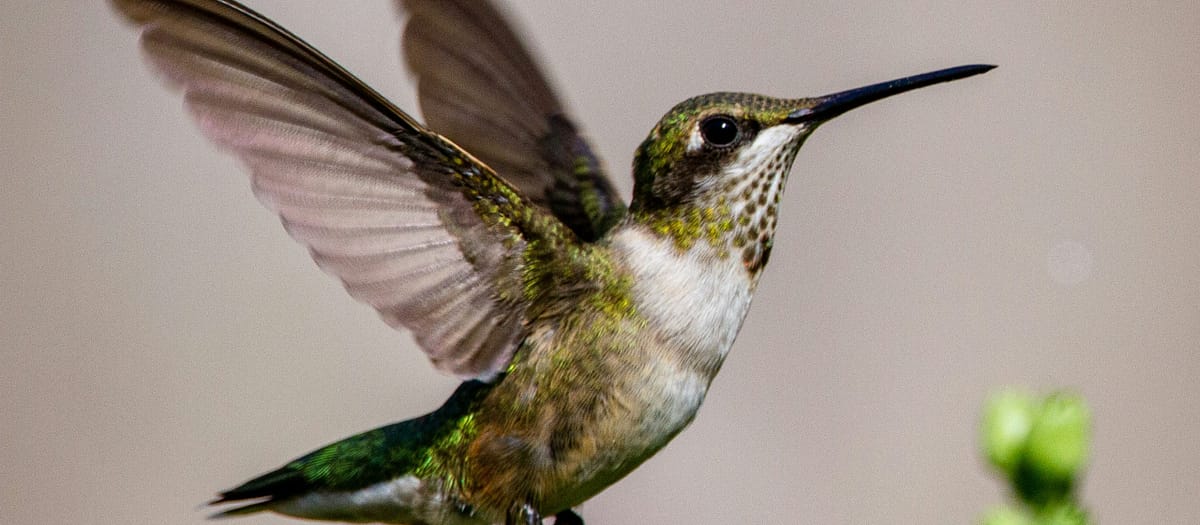
Texas is one of the best states in the country for backyard birding — and it’s not even close. With its massive size and incredible diversity of habitats, from the Gulf Coast marshes to the Hill Country cedars to the High Plains grasslands, backyard birds in Texas span an astonishing range of species. Whether you’re in Houston, Dallas, San Antonio, or a small town in West Texas, there’s something flying through your yard worth knowing about.
In this guide, we’ll walk through the most common backyard birds you’ll spot in Texas, broken down by region. Plus, we’ll show you how to use our free Zip Lookup Tool to get a personalized bird list for your exact zip code.
Why Texas Has So Many Backyard Birds
Texas sits at a unique crossroads of four major flyways and spans nine distinct ecological regions. That means species you’d only find in the desert Southwest, the humid Southeast, the Great Plains, and the Mexican border zone can all show up within the same state. The sheer size of Texas — nearly 270,000 square miles — means the birds in El Paso are completely different from those in Beaumont.
This is also why Texas leads the nation in total bird species count: over 650 recorded species, more than any other U.S. state. Even for backyard birders in the suburbs, 20–40 species visiting your feeders and trees throughout the year is completely achievable.
Most Common Backyard Birds in Texas (Statewide)
While regional variation is significant, several species show up reliably across most of Texas. These are the birds you’re most likely to see regardless of where in the state you live:
- Northern Cardinal — One of the most beloved and recognizable backyard birds. Males are brilliant red; females are warm brown with red highlights. Year-round residents across nearly all of Texas.
- Carolina Chickadee — A small, acrobatic bird with a black cap and bib, white cheeks, and soft gray wings. Active and curious at feeders.
- Tufted Titmouse — A cheerful gray bird with a prominent crest and rust-colored flanks. Common at sunflower seed feeders throughout eastern and central Texas.
- White-winged Dove — A distinctive dove with white wing patches, increasingly common across Texas even in urban areas.
- House Finch — Males have rosy-red heads and breasts. A frequent visitor to tube feeders and platform feeders across the state.
- Carolina Wren — Small but incredibly loud. This rust-colored wren will belt out songs all year and investigate every corner of your yard.
- Blue Jay — Bold, striking, and not shy. Blue Jays will dominate a feeder and are more common in eastern and central Texas.
- American Robin — A common yard bird, especially in winter when large flocks move through. Look for them hopping across lawns searching for earthworms.
- Mourning Dove — Soft, graceful ground feeders that love millet and cracked corn on a platform feeder.
- Downy Woodpecker — The smallest North American woodpecker, a frequent visitor to suet feeders and trees throughout Texas.
Backyard Birds by Region in Texas
East Texas (Piney Woods)
East Texas has lush forests and high humidity, making it feel more like Louisiana or Arkansas than the rest of Texas. You’ll find species like the Red-bellied Woodpecker, Eastern Bluebird, Brown Thrasher, and Ruby-throated Hummingbird. This region also gets excellent warbler diversity during spring and fall migration.
Central Texas (Hill Country)
The Texas Hill Country is famous for its unique “Golden-cheeked Warbler” (an endangered endemic), but even casual backyard birders will enjoy reliable visits from Black-crested Titmouse, Ladder-backed Woodpecker, Painted Bunting (a stunning green-and-red gem!), and Lesser Goldfinch. This is one of the best regions in the state for feeder variety.
South Texas (Rio Grande Valley)
The Rio Grande Valley is arguably the most exciting birding destination in North America. Backyard birders here get Mexican species not found anywhere else in the U.S., including Green Jay, Buff-bellied Hummingbird, Altamira Oriole, and Olive Sparrow. Set up a feeder with fruits and nectar and prepare to be amazed.
Gulf Coast (Houston to Corpus Christi)
The Gulf Coast offers spectacular migration diversity. Year-round residents include Laughing Gull, Great Kiskadee, and White Ibis, while during migration you’ll see warblers, shorebirds, and raptors funneling through. Suburban yards in Houston regularly attract 30+ species per month.
North Texas (DFW Metroplex)
The Dallas-Fort Worth area blends eastern and western species. Reliable backyard birds include American Goldfinch (winter), Harris’s Sparrow (a large, handsome sparrow that winters here), Red-tailed Hawk, and Great Horned Owl. The right feeder setup can draw in 20+ species in winter.
West Texas and Trans-Pecos
West Texas is a whole different world. The Chihuahuan Desert brings species like Pyrrhuloxia (a gray cardinal-like bird), Curve-billed Thrasher, Verdin, Cactus Wren, and a variety of desert quail. Hummingbirds in the Big Bend area are exceptional — over 15 species have been recorded in the region.
🔍 Find YOUR Backyard Birds with Our Free Zip Lookup Tool
Texas is so large that the birds in your specific backyard depend heavily on your exact location. Our free Zip Lookup Tool uses your zip code to generate a personalized list of the most common birds in your area — based on real birding data.
Just enter your Texas zip code below and you’ll get:
- The top birds spotted in your area
- Which species are currently active in your region
- Feeder recommendations tailored to local species
🐦 What Birds Are in Your Texas Backyard?
Enter your zip code to get a personalized bird list for your exact location in Texas.
What to Feed Backyard Birds in Texas
Texas birds have diverse food preferences. Here’s a quick breakdown by seed type:
- Black-oil sunflower seed — The single best all-around seed for Texas birds. Cardinals, chickadees, finches, titmice, and nuthatches all love it.
- Nyjer (thistle) seed — Essential for American Goldfinch, Lesser Goldfinch, and Pine Siskin in winter.
- Safflower seed — Cardinals and doves love it; squirrels generally don’t.
- Millet — Great for ground feeders like doves, sparrows, and juncos on a platform feeder.
- Suet — A winter staple for woodpeckers, wrens, and nuthatches.
- Fruit (oranges, grapes) — Attract orioles and catbirds during migration.
Looking for the best feeder setup for your yard? Check out our beginner’s guide to setting up a bird feeding station for step-by-step instructions.
Also see our companion guide on backyard birds in Florida for a comparison of the Gulf Coast species you share with your southern neighbor.
Recommended Feeders for Texas Backyard Birds
Setting up the right feeders makes a huge difference in how many species you attract. Here are our top picks for Texas yards:
- Kingsyard Metal Hopper Bird Feeder ($19.99) — Weather-resistant dual chamber holds 4 lbs of mixed seed. Perfect for cardinals, doves, and jays.
- Squirrel-Proof Metal Mesh Tube Feeder ($33.19) — Gravity-protected design keeps squirrels out while welcoming finches, chickadees, and cardinals.
- Kingsyard Gazebo Platform Bird Feeder ($29.99) — Rain-proof roof and mesh tray are ideal for millet and mixed seed. Doves, sparrows, and juncos love it.
- Kingsyard 85-Inch Feeding Station Pole ($27.99) — A sturdy 5-prong base keeps your feeder stable in Texas wind and weather.
- Daoeny Freestanding Metal Bird Bath ($23.99) — In hot Texas summers, fresh water is often more attractive than seed. A simple bath can dramatically increase bird activity.
Frequently Asked Questions
What is the most common backyard bird in Texas?
The Northern Cardinal is arguably the most recognizable and beloved backyard bird across Texas. It’s a year-round resident statewide and one of the first birds to visit feeders at dawn. The Carolina Chickadee and Mourning Dove are also among the most frequently seen backyard species.
What birds are unique to Texas that I might see in my backyard?
Texas has several species found nowhere else in the U.S. or in very limited ranges. The Black-crested Titmouse replaces the Tufted Titmouse in Central and West Texas. The Green Jay and Altamira Oriole are found only in the Rio Grande Valley. The Pyrrhuloxia is a desert cardinal found in far West Texas and parts of South Texas.
When is the best time to see the most birds in Texas?
Spring migration (April–May) and fall migration (September–October) bring the greatest diversity. However, winter (November–February) is often the most rewarding season for feeder birds, as northern species like American Goldfinch, Dark-eyed Junco, and White-throated Sparrow join the year-round residents. Summer brings hummingbirds and nesting activity.
Do I need a special feeder for Texas birds?
Not necessarily — a standard hopper or tube feeder filled with black-oil sunflower seed will attract the majority of common Texas backyard birds. However, if you’re in South Texas or the Hill Country, adding a hummingbird feeder with nectar and a fruit feeder with oranges will dramatically expand your species list. A platform feeder with millet draws in sparrows and doves that other feeder styles miss.
How do I find out specifically which birds are in my Texas zip code?
The best way is to use a zip-code-based bird lookup that draws on real local birding data. Our free Zip Lookup Tool lets you enter your exact Texas zip code and get a tailored list of the birds most commonly spotted in your area — perfect for figuring out which feeders and seeds to prioritize.
Start Attracting More Texas Backyard Birds Today
Texas gives backyard birders an incredible advantage: sheer diversity. Whether you’re in the Piney Woods, the Hill Country, the Rio Grande Valley, or the Panhandle, there are dozens of species that would love to visit a well-stocked feeder in your yard.
Start with a quality hopper or tube feeder, black-oil sunflower seed, and fresh water — then use the Zip Lookup Tool to refine your setup based on the specific birds in your neighborhood. You’ll be amazed at what shows up.
Happy birding, Texas! 🐦
Leave a Reply