Backyard Bird Seed Finder
Select the birds you want to attract and get personalized seed recommendations for your feeders.
Choose Your Birds
0🌿 Provide fresh water and clean your feeders every 1–2 weeks to keep your birds healthy.
Different Seeds, Different Birds
Choosing the right bird seed is more important than picking the perfect feeder. Different bird species have different preferences, and using the right seed means more visitors to your yard.
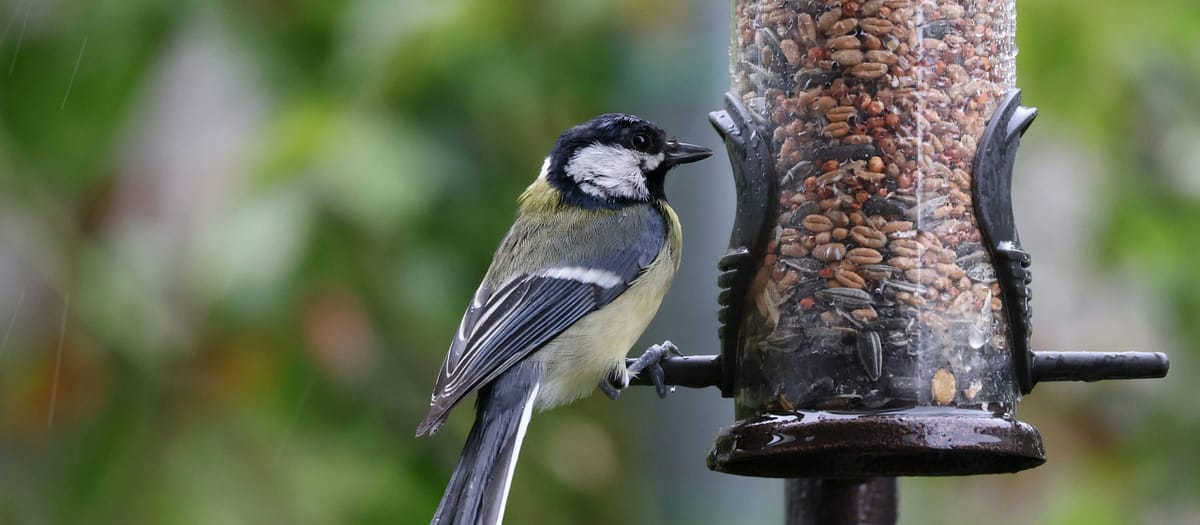
Black Oil Sunflower Seeds are the MVPs of bird feeding. Cardinals, chickadees, nuthatches, and finches all love them. These seeds are high in fat and nutrition, and birds can crack the shells with their beaks. If you only buy one type of seed, make it this one.
Nyjer Seeds (also called thistle seeds) are the specialty choice. Goldfinches, house finches, and other small songbirds prefer them over everything else. They’re more expensive, but they attract birds that most other seeds don’t.
Safflower Seeds are the secret weapon against squirrels. Cardinals love them, but squirrels find them bitter and usually avoid them. Mix safflower with your sunflower seeds to reduce squirrel raids while keeping cardinals happy.
Mixed Seed Blends work for casual feeding, but here’s the truth: many blends contain filler seeds (milo, wheat) that most birds reject. You end up with waste on the ground. Better to buy high-quality single seeds and mix them yourself.
Keeping Bird Seed Fresh
Stale or moldy seed spreads disease among birds. Proper storage takes five minutes but saves money and bird health.
Store seed in airtight containers away from moisture and heat. A sealed plastic bin or metal trash can works perfectly. Keep it in a cool, dry place—not in a damp garage or outside where humidity ruins the seed.
Check your stored seed regularly. Fresh seed smells clean. Moldy seed has a musty, unpleasant smell and may show visible clumping or discoloration. If you see either, throw it away. Birds won’t eat it anyway, and moldy seed can carry fungal infections that sicken birds.
Buy seed in quantities you’ll use within 2-3 months. Sunflower and safflower keep longer than nyjer seeds, which go rancid faster. In winter when you’re refilling feeders more often, this isn’t a problem. In summer, buy smaller quantities.
How Often to Refill by Season
Refilling schedules change with the seasons because bird activity and natural food availability both shift.
Winter (November-March) is peak feeding season. Natural food is scarce, and birds burn calories staying warm. Refill feeders 2-3 times per week. Check daily and top off whenever seed drops below halfway full. Your birds are counting on you.
Spring and Fall (April-May, September-October) are moderate feeding periods. Refill 1-2 times per week. Migratory birds pass through, and breeding birds need energy. Keep feeders stocked but not overflowing.
Summer (June-August) is low-demand season. Natural food—berries, insects, seeds from wildflowers—is everywhere. Refill once per week or even less. Some people stop feeding entirely in summer, but keep a feeder going anyway. Young fledglings learn to feed from them, and consistent feeders help birds during hot spells.
Here’s a simple rule: Empty the old seed completely when you refill. Old seed left at the bottom of a feeder can spoil and mix with fresh seed. Clean feeders thoroughly every 2-3 weeks to prevent mold and disease.
Use the calculator below to figure out exactly how much seed you need to buy based on your feeders, bird types, and refill schedule. Then store it [AFFILIATE LINK — airtight seed storage container] and you’re set.
Want to learn more? Check out our guide to the best feeders for cardinals or our complete hummingbird guide.
[…] Find the Right Seed for These Birds → Or build your complete feeder setup → […]
[…] is crucial for attracting cardinals. Not all seeds are created equal in cardinal appeal. Use our Free Bird Seed Finder to determine the exact amount and type of seed your cardinals […]
[…] and can make birds sick. Replace seed every 2 weeks in humid climates, monthly in dry ones. Use our bird seed calculator to avoid […]
[…] Ready to build the perfect squirrel-proof setup? Use our Feeder Setup Planner to design a customized feeding station based on your yard, location, and bird preferences. Or calculate exactly how much seed you’ll need with our Bird Seed Calculator. […]
[…] sure which seed is right for the birds in your area? Check our Free Bird Seed Finder Tool — just answer a few questions and get a personalized […]
[…] it: Start with 100% black-oil sunflower seed and branch out from there. Not sure what to offer? The Free Bird Seed Finder Tool on this site lets you enter your target birds and get a personalized seed recommendation in […]