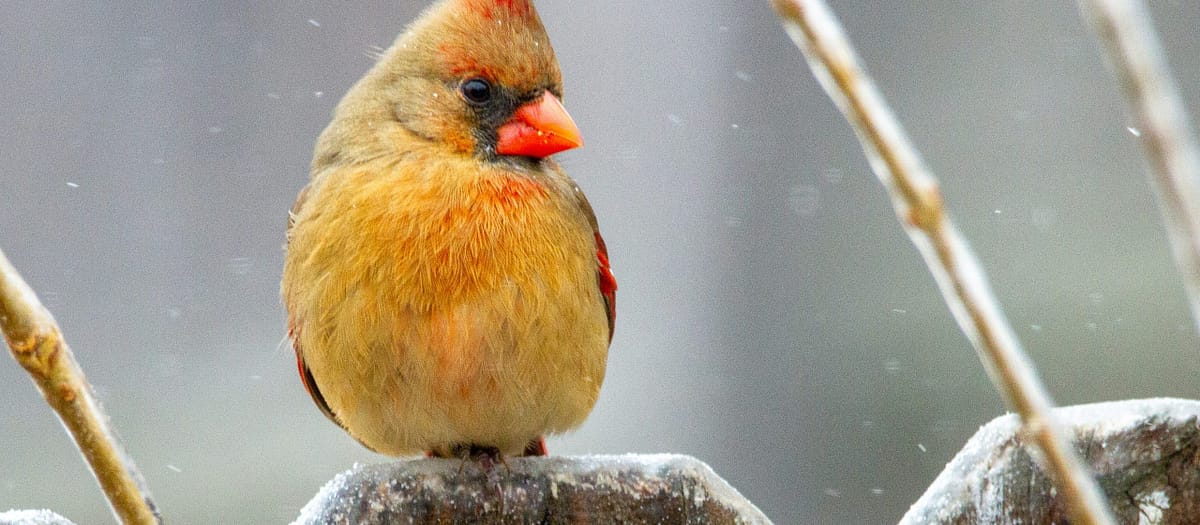
Best Bird Feeders for Attracting Cardinals: Types, Placements & Recommendations
If you’re hoping to attract northern cardinals to your backyard, choosing the right bird feeders for cardinals is absolutely crucial. Cardinals are stunning, seed-loving visitors, but they have distinct preferences when it comes to where and how they eat. Get the feeder wrong, and you’ll watch other birds empty it while cardinals stay away. Get it right, and you’ll have front-row seats to one of nature’s most spectacular visitors. This guide covers the best bird feeders for cardinals and explains what makes each type work effectively.
This comprehensive guide covers the best bird feeders for cardinals, explains what makes each type work, and shows you exactly where to place them for maximum success.
Why Cardinals Are Picky About Bird Feeders for Cardinals
Northern cardinals aren’t just beautiful—they’re also predictable. Unlike smaller finches that cling to tube feeders, cardinals need feeders that match their size and feeding style. They’re:
- Larger birds (8-9 inches long, weighing up to 1.5 ounces) with strong beaks for cracking seeds
- Ground and platform feeders preferring to eat from open, sturdy surfaces
- Seed-focused with a strong preference for sunflower seeds above all else
- Territorial so they’ll avoid crowded, noisy feeders (unlike sociable chickadees)
Understanding these preferences is the key to attracting cardinals consistently.
Best Bird Feeders for Attracting Cardinals
1. Platform Feeders (The Cardinal Favorite)
If there’s one bird feeder for cardinals you absolutely need, it’s a platform feeder. These open, tray-like feeders are cardinals’ top choice because they:
- Provide a flat, stable surface for large birds
- Let cardinals see their surroundings (safety first)
- Don’t restrict movement like tube feeders
- Work with their natural ground-feeding behavior
Best choice: Heavy-duty platform feeders with sturdy legs can hold 3-5 pounds of seed and withstand multiple cardinals at once. The raised platform keeps seed clean and dry, and the slight sides prevent spillage.
2. Hopper Feeders (The Versatile Option)
Hopper feeders work for cardinals if you buy the large, sturdy models. Smaller hoppers will be colonized by house finches instead, but heavy-duty hopper feeders give cardinals secure access while protecting seed from weather.
Key feature: The perch must be thick and stable enough for a cardinal’s weight. Look for feeders rated for large birds.
3. Tube Feeders (Usually a Miss)
Standard tube feeders don’t work well for cardinals because they require clinging behavior. Cardinals prefer perching on stable surfaces. If you want tube feeders, look for jumbo models with extra-large perches, though platform feeders remain superior.
4. Nyjer/Thistle Feeders (Not for Cardinals)
Skip these—they’re designed for finches, not cardinals. Stick with sunflower seed feeders instead.
Sunflower Seeds vs. Mixed Seed: What Cardinals Actually Want
Cardinals have a clear favorite: black oil sunflower seeds. Here’s why:
- High energy content (perfect for year-round feeding)
- Easy to crack with a cardinal’s strong beak
- Preferred by cardinals above safflower, millet, or cracked corn
- Less waste since cardinals eat the kernel, not the chaff
Mixed seed blends often include filler seeds (milo, wheat) that cardinals ignore but waste money on. Stick with 100% black oil sunflower seeds for best results.
Where to Place Your Cardinal Feeders
Even the best bird feeder for cardinals won’t work if it’s in the wrong location. Cardinals need:
- Clear sightlines (open area around feeder so they can spot danger)
- Escape cover nearby (shrubs 10-15 feet away for quick retreat)
- Water source (within 20 feet—cardinals love a nearby bird bath)
- Morning sun (helps them warm up and groom after eating)
- Distance from feeders for smaller, aggressive birds that chase cardinals away
The ideal setup: Platform feeder in an open yard with shrubs or trees at a safe distance, positioned where you can see it from a window. Add a bird bath nearby and you’ve got a cardinal paradise.
Want to See Which Birds Are Visiting Your Feeders?
If you’re investing in cardinal feeders, consider upgrading to a smart bird feeder with AI camera. These innovative feeders let you watch and identify every cardinal visit from your phone, with automatic species recognition. You’ll see exactly when your cardinals arrive, what they eat, and which other birds join them. It’s the perfect way to enjoy your feeders 24/7, even when you’re not home.
How Many Feeders Do You Actually Need?
One well-placed platform feeder can attract 2-3 cardinals. But if you want consistent, reliable cardinal activity:
- Small yards: 1 platform feeder + 1 bird bath
- Medium yards: 2 platform feeders (one in front, one in back) + 1 bird bath
- Large yards: 2-3 feeders + 1-2 bird baths spread throughout
Multiple feeders reduce competition and territorial disputes—more cardinals will visit when they’re not fighting for the same spot. Use our free bird feeder setup planner to design the perfect multi-feeder layout for your space.
Maintenance Tips for Cardinal Feeders
- Refill regularly (cardinals expect reliable food sources)
- Clean every 2 weeks (prevents mold and disease)
- Remove old seed if it gets wet or moldy
- Monitor for pests (squirrels love sunflower seeds as much as cardinals do)
If squirrels are raiding your feeders, check out our complete guide to squirrel-proof feeders for effective solutions.
When Should You Expect to See Cardinals?
Cardinals are year-round residents in most of the eastern US. Here’s the timeline:
- Fall/Winter (Sept-Feb): Peak cardinal activity. They’re actively seeking high-energy food.
- Spring (Mar-May): Cardinals pair up for breeding. Males may be more territorial.
- Summer (Jun-Aug): Least active season—natural food is abundant, but they may still visit occasionally.
Set up your feeders in late summer (August) so they’re ready when fall migrations bring hungry cardinals.
FAQ: Cardinal Feeders Questions Answered
Q1: Why aren’t cardinals coming to my feeder?
A: Most likely issues: (1) Wrong feeder type—use platform feeders, not tube feeders. (2) Wrong seed—use black oil sunflower seeds, not mixed seed. (3) Wrong location—place feeders in open areas with nearby escape cover. (4) Presence of aggressive birds—relocate feeders or add separate feeders at distance. Give it 2-3 weeks; cardinals are cautious at first.
Q2: Can I feed cardinals year-round?
A: Absolutely. Cardinals are year-round residents and benefit from consistent feeding, especially in winter and spring. Use fresh black oil sunflower seeds and refill feeders regularly. Clean feeders every 2 weeks to prevent disease.
Q3: Do male and female cardinals use different feeders?
A: Both males and females eat at the same feeders, but males may dominate prime feeding times. Females often visit earlier in the morning or during quieter times. If you have multiple feeders, both will get good access.
Q4: How do I keep squirrels out of cardinal feeders?
A: Squirrels love sunflower seeds as much as cardinals do. Best solutions: weight-activated feeders, baffle systems on feeder poles, or dedicated squirrel feeders placed away from cardinal feeders. Read our complete squirrel-proofing guide for all options.
Q5: What’s the best bird bath for cardinals?
A: Shallow basin bird baths (1-2 inches deep) work best. Cardinals prefer water they can wade through rather than deep basins. Place the bath near feeders but with some open space around it. Learn more about bird bath placement and maintenance here.
Final Recommendations: Best Cardinal Feeders to Buy
Start with these proven options:
- Heavy-duty platform feeder – Large, sturdy, open design perfect for cardinals
- Black oil sunflower seeds – 100% pure, high-quality seeds
- Smart camera feeder – Watch your cardinals anytime from your phone
Set up your feeders in open areas with nearby cover, use quality sunflower seeds, and maintain them regularly. Give it 2-3 weeks and you’ll have cardinals visiting reliably. If you want to optimize your entire backyard bird feeding setup, use our free feeder setup planner to design the perfect configuration for attracting cardinals and other birds.
Ready to attract more cardinals? Start with the platform feeder, add black oil sunflower seeds, and position it where you’ll enjoy watching them. Cardinals are worth the effort—and once they discover your feeders, they’ll keep coming back.
[…] blue and white coloring. Blue Jays are acrobatic feeders that enjoy peanuts and sunflower seeds. Proper feeder placement helps them feel secure while […]