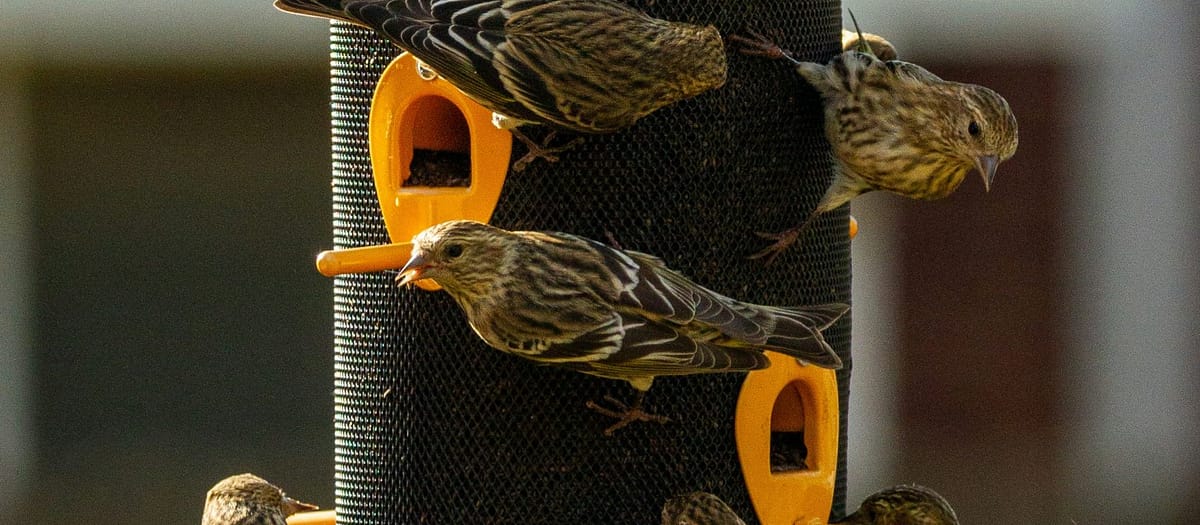
If you want to attract American Goldfinches to your backyard, choosing the best bird seed for goldfinches is the single most important thing you can do. These bright yellow songbirds are picky eaters — but once you know what they love, you’ll have a yard full of them. In this guide, I’ll break down exactly which seeds goldfinches prefer, which feeders work best, and share a free tool to get a personalized recommendation for your backyard setup.
What Do American Goldfinches Eat in the Wild?
Goldfinches are almost entirely seed eaters — unlike many backyard birds that supplement with insects and berries, goldfinches stick to seeds year-round. In the wild, they forage for seeds from plants like:
- Thistle plants (their absolute favorite)
- Sunflowers and coneflowers
- Milkweed pods
- Asters and cosmos
- Grasses and sedges
This natural diet tells us exactly what to offer at feeders. Goldfinches aren’t drawn to general mixed seed blends the way sparrows or doves are — they want specific seeds, and they’ll pass right over a feeder that doesn’t have them.
Also keep in mind: goldfinches are year-round residents across most of the US, but their appearance changes seasonally. Males turn their brilliant yellow in late winter as breeding season approaches — so if you’re not seeing much color right now, be patient. The birds are there; they just look a bit drab in winter plumage.
Best Bird Seed for Goldfinches (Ranked)
Not all seeds are created equal when it comes to goldfinches. Here’s a ranking of the seeds they love most, from highest to lowest preference:
#1 Nyjer Seed (Thistle Seed) — The Gold Standard
Nyjer seed — sometimes called thistle seed — is the single best bird seed for goldfinches, bar none. These tiny, oil-rich black seeds are harvested from the African yellow daisy (Guizotia abyssinica), not actual thistles, but goldfinches don’t care about the name. They go absolutely wild for it.
What makes nyjer so perfect for goldfinches:
- High fat content provides excellent energy
- Small size matches their tiny bills perfectly
- Almost no other feeder birds compete for it (squirrels ignore it)
- Stays fresh in the feeder longer than many other seeds
Pro tip: Nyjer must be used in a specialized finch feeder with tiny ports — it will pour right through a standard seed feeder. If you’re not seeing goldfinches come to your nyjer, check that your seed is fresh. Nyjer can go stale, and goldfinches will reject old seed. If the seed has been sitting for more than 4–6 weeks, replace it.
#2 Hulled Sunflower Seeds (Sunflower Hearts)
Hulled sunflower seeds — also called sunflower hearts or chips — are a fantastic secondary option and often even more versatile than nyjer. Because the shell has been removed, goldfinches can eat them quickly without the effort of cracking. This makes them attractive to:
- Goldfinches (both American and Lesser)
- Chickadees, nuthatches, and titmice
- House finches and purple finches
- Downy woodpeckers
Sunflower hearts work well in tube feeders, platform feeders, and hopper feeders. They’re slightly more expensive than nyjer but attract a broader range of songbirds — making them excellent value if you want a busy, diverse feeder.
#3 Black Oil Sunflower Seeds
Standard black oil sunflower seeds are beloved by nearly every feeder bird, including goldfinches. The shells are thinner than striped sunflower seeds, making them easier for smaller birds like goldfinches to crack. They’re less preferred than nyjer or hulled sunflower for goldfinches specifically, but if you only want to stock one type of seed, black oil sunflower is a solid all-around choice.
#4 White Proso Millet
Goldfinches will occasionally eat white proso millet, but it’s not their first choice. Millet is much more popular with ground-feeding birds like juncos, doves, and sparrows. If you’re specifically targeting goldfinches, skip the millet and invest in quality nyjer instead.
Seeds to avoid: Goldfinches don’t eat corn, peanuts, safflower, or most mixed “wild bird” blends. These fillers go to waste in finch feeders and can even deter goldfinches if they smell stale milo or filler seeds.
Best Feeders for Goldfinch Seed
The right feeder is just as important as the right seed. For goldfinches, you’ll want one of these styles:
Nyjer/Finch Tube Feeders
These narrow tube feeders have tiny ports designed specifically for nyjer seed. Look for feeders with multiple ports (6–12) so several goldfinches can feed simultaneously — they tend to visit in small flocks. Here are a few great options:
- Stokes Select Finch Feeder ($13.99) — Simple, effective, and easy to clean. Great starter feeder for nyjer seed.
- Kingsyard Metal Mesh Finch Feeder ($21.99) — Durable all-metal construction with large 2.5 lb capacity. Goldfinches can cling anywhere on the mesh to feed.
- Kingsyard Sliding Mesh Finch Feeder ($25.99) — Features a sliding mesh design and built-in perches. Easy to fill and clean.
Large-Capacity Finch Feeders
If you have a lot of goldfinch activity, a high-capacity feeder saves you constant refilling:
- Gtongoko 6.5 LB Metal Mesh Tube Feeder ($59.99) — Holds a massive 6.5 lbs of nyjer or thistle. Great if you’re feeding a large flock of finches.
Pair any feeder with a sturdy shepherd’s hook pole ($27.99) to keep it stable and positioned away from fences where cats and squirrels could reach. If you’re new to setting up a feeder station, check out our guide: How to Set Up a Bird Feeding Station for Beginners.
Tips for Attracting More Goldfinches to Your Yard
Even with the right seed and feeder, it can take a few weeks for goldfinches to discover a new feeding spot. Here’s how to speed up the process and maximize visits:
- Place feeders near cover. Goldfinches feel safer feeding near shrubs, trees, or tall plants. Position your feeder within 10–15 feet of a natural windbreak.
- Keep seed fresh. Goldfinches will abandon a feeder with stale nyjer. Refill every 3–4 weeks in summer, more often in winter when activity peaks.
- Add a water source. A simple bird bath dramatically increases your yard’s appeal to goldfinches. They bathe frequently and need fresh water daily.
- Plant native wildflowers. Coneflowers (Echinacea), black-eyed Susans, and cosmos all produce seeds that goldfinches love. Let them go to seed in fall instead of deadheading.
- Use multiple feeders. Goldfinches visit in flocks — a single 6-port feeder can create competition. Put out 2–3 feeders to reduce squabbling and accommodate more birds at once.
- Be patient in summer. Goldfinch activity at feeders often drops in summer because natural food is abundant. They’ll be back in full force come fall and winter.
Want to see which other birds visit your area and what seeds they prefer? The 10 Birds You’ll See at Your Feeder This Summer is a great companion read.
🔧 Free Tool: Get a Personalized Seed Recommendation
Not sure which seed combination is right for your backyard birds? Our free Bird Seed Finder Tool gives you a personalized recommendation based on which birds you want to attract. Just answer a few quick questions about your location and feeder setup, and it’ll tell you exactly what to buy.
👉 Try the Free Bird Seed Finder Tool →
🐦 Free Bird Seed Finder Tool
Answer 3 quick questions and get a personalized seed recommendation for your backyard birds — including goldfinches, cardinals, chickadees, and more.
Get My Free Seed Recommendation →Frequently Asked Questions
Why aren’t goldfinches eating my nyjer seed?
The most common reason is stale seed. Nyjer has a high oil content that goes rancid quickly, especially in heat and humidity. If your nyjer has been in the feeder for more than 4–6 weeks, replace it completely and clean the feeder with hot soapy water. Another possibility: your feeder ports may be clogged. Check that the holes are clear and the seed flows freely. Finally, it can simply take time — sometimes 2–4 weeks — for goldfinches to discover a new feeder. Place it near natural cover and be patient.
Do goldfinches eat sunflower seeds?
Yes! Goldfinches love hulled sunflower seeds (sunflower hearts) and will eat black oil sunflower seeds too, though they prefer the hulled variety because they don’t have to work as hard to crack the shell. If you want to offer both nyjer and sunflower, use separate feeders — mixing them together doesn’t work well as they require different feeder styles.
How long does nyjer seed stay fresh?
Nyjer seed typically stays fresh for 4–6 weeks in a feeder and up to a year in a sealed, cool, dry storage container. To check freshness, press a few seeds between your fingers — fresh nyjer should leave an oily residue. If the seeds feel dry and powdery, they’ve gone stale. Store unused nyjer in an airtight container out of direct sunlight and away from heat sources.
What time of year do goldfinches visit feeders most?
Goldfinch feeder activity peaks in fall and winter (October through March) when natural food sources are scarce. In summer, they may visit less frequently because wildflower seeds are abundant. However, if you keep fresh nyjer in the feeder year-round, you’ll see goldfinches every month. Spring is especially exciting — males are in full bright yellow breeding plumage from March through July.
Can I mix nyjer seed with other seeds?
You can, but most birders recommend against it. Nyjer is so small and lightweight that mixing it with larger seeds causes sorting problems — birds toss the other seeds aside to get to the nyjer, creating a mess and waste. The most effective approach is to offer nyjer in a dedicated finch feeder and other seeds (sunflower, safflower, etc.) in a separate hopper or tube feeder nearby.
Ready to Attract Goldfinches? Here’s Your Action Plan
Attracting American Goldfinches to your backyard comes down to three things: the right seed (nyjer first, hulled sunflower second), the right feeder (a dedicated finch tube feeder with tiny ports), and a little patience while the birds find you. Once they discover your feeder, goldfinches are loyal visitors who return season after season.
Start with a quality nyjer feeder, fill it with fresh seed, and use our free Bird Seed Finder Tool to get a complete personalized recommendation for all the birds in your yard. Happy birding! 🐦
[…] For a full breakdown of which seeds work best and why, see our dedicated post: Best Bird Seed for Goldfinches (+ Free Recommendation Tool). […]