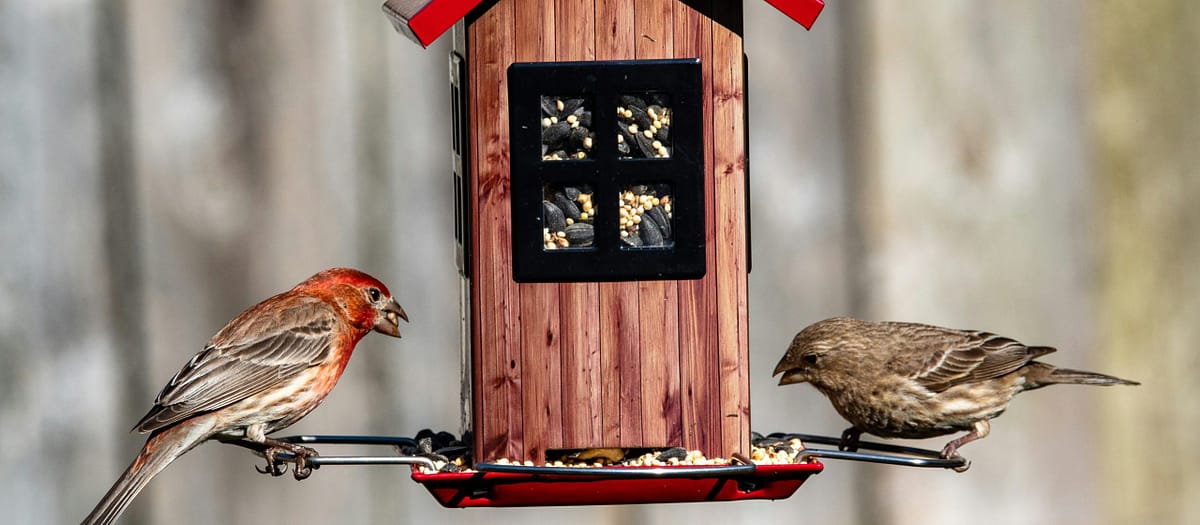
If you’ve ever gazed out your window wishing your yard was alive with colorful, spectacular birds, you’re in exactly the right place. Attracting birds to your backyard is easier than most people imagine — and the payoff is absolutely stunning. Whether you’re a seasoned birder or just curious about who might show up, this guide profiles 12 gorgeous species you can realistically attract with the right feeders, food, and a few simple habitat tweaks.
Why the Right Setup Matters for Attracting Birds to Your Backyard
Here’s the core secret: every bird species has slightly different preferences for food, feeder style, and habitat. Match your yard to those preferences and birds will come — reliably, repeatedly, and in beautiful numbers. The 12 birds below represent a broad cross-section of North American backyard species, from year-round residents to seasonal showstoppers.
Before you hang a single feeder, check out our beginner’s guide to setting up a bird feeding station — it’ll save you time and money by getting the basics right from day one.
12 Stunning Birds You Can Attract to Your Backyard
1. Northern Cardinal
The Northern Cardinal is arguably the most iconic backyard bird in North America. Males burn brilliant red against winter snow and summer green. Females are warm tan-brown with reddish hints — subtle but lovely. Cardinals are year-round residents across the eastern US and into the Southwest.
How to attract them: Platform feeders or large hopper feeders stocked with black-oil sunflower seeds or safflower. Cardinals are ground feeders at heart — low-mounted or hanging platforms work best.
Recommended feeder: The Kingsyard Heavy Duty Hanging Platform Bird Feeder ($19.99) is perfect — open tray, weatherproof mesh floor, and just the right height for cardinals to feel comfortable.
2. American Goldfinch
Few birds transform as dramatically as the American Goldfinch. Males shine canary-yellow in summer and fade to olive in winter. These little acrobats cling and spin on nyjer feeders with cheerful energy, often visiting in flocks.
How to attract them: Nyjer (thistle) seed in a tube or mesh sock feeder. Goldfinches won’t reliably visit feeders stocked with other seeds.
Recommended feeder: The Stokes Select Nyjer Feeder ($13.99) is a proven, affordable entry point for your first goldfinches.
3. Ruby-Throated Hummingbird
The only hummingbird that breeds east of the Mississippi, the Ruby-Throated Hummingbird is a living jewel. Males flash an iridescent ruby-red throat that blazes in direct sunlight. They’re summer visitors, arriving late April and departing by October.
How to attract them: Hang a nectar feeder filled with a simple 4:1 water-to-white-sugar solution (skip the red dye — it’s unnecessary). Place it near red or tubular flowers for extra appeal.
Recommended feeder: The Glass Hummingbird Feeder with 5 Feeding Ports ($16.99) is leak-proof, easy to clean, and holds enough nectar to keep multiple birds happy.
4. Black-Capped Chickadee
Cheerful, bold, and fearless — chickadees are year-round backyard royalty. They’ll often land on your hand if you’re patient enough. Their crisp black cap and bib against bright white cheeks is one of birding’s most satisfying everyday sights.
How to attract them: Black-oil sunflower seeds and suet cakes. Chickadees use tube feeders, hopper feeders, and suet cages with equal enthusiasm.
5. Downy Woodpecker
The smallest woodpecker in North America is also one of the most entertaining. The Downy’s bold black-and-white pattern — with a bright red cap on males — makes it stand out as it hops up and down tree trunks. It will readily divert to a well-placed suet feeder.
How to attract them: Suet cakes are the #1 draw for Downys. Hang a suet cage feeder near a tree. Peanuts and sunflower chips are strong secondary options.
6. Blue Jay
Bold, loud, and strikingly handsome — the Blue Jay divides opinion among birders, but its blue, white, and black plumage is genuinely eye-catching in any season. Blue Jays are also intelligent, with complex social behaviors worth observing.
How to attract them: Whole peanuts (in-shell or shelled), sunflower seeds, and dried corn on a platform or hopper feeder with plenty of landing room.
7. House Finch
House Finches are year-round residents across most of North America. Males wear a raspberry-red blush on the head and chest that deepens in well-fed birds; females are streaky brown. They’re social and often arrive in chattering flocks — perfect for lively yard-watching.
How to attract them: Black-oil sunflower seeds in any tube or hopper feeder. House Finches are easy to attract and a great “first bird” for new backyard birders.
8. American Robin
The American Robin is the unofficial herald of spring — orange-red breast, melodic song, and a confident strut across lawns. They’re common nearly everywhere in North America but surprisingly easy to overlook at traditional feeders, since they don’t eat seed.
How to attract them: Earthworms, ripe berries (serviceberry, holly, dogwood), and fresh water. A clean birdbath is often the single best robin magnet you can add to your yard.
9. White-Breasted Nuthatch
The White-Breasted Nuthatch defies gravity, walking headfirst down tree trunks with casual confidence. Their slate-blue back and clean white face make them a handsome regular at backyard feeders across most of North America.
How to attract them: Sunflower seeds, suet, and peanuts. Nuthatches grab one seed at a time and cache it in tree bark for later — you’ll see them dart in, snag a seed, and dash off repeatedly.
10. Indigo Bunting
The Indigo Bunting is pure visual magic. Males are entirely a deep, electric indigo that seems to glow in direct sunlight — one of the most intensely colored birds in North America. They’re migratory visitors through much of the eastern and central US.
How to attract them: White millet on a low platform feeder or scattered on the ground. They’re shy, so a quieter corner of the yard away from heavy foot traffic works best. Look for them especially during spring migration (April–May).
11. Baltimore Oriole
Flame-orange and black, the Baltimore Oriole is one of the showiest birds to attract to a backyard. They arrive in spring and fill the air with rich, flute-like song through summer. Spotting your first oriole at a feeder is genuinely memorable.
How to attract them: Halved oranges, grape jelly (plain, not sugar-free), and oriole nectar feeders. Plant native fruiting shrubs nearby for extra appeal.
12. Pine Siskin
The Pine Siskin looks like a plain brown sparrow until sunlight hits its yellow wing and tail flashes — then it’s clearly something special. Siskins are “irruptive” visitors: some winters they flood backyards in flocks; other years they’re scarce. When they show up, stock up on nyjer seed.
How to attract them: Nyjer seed and black-oil sunflower. They frequently join goldfinches at the same feeders, making for a delightful mixed flock.
Setting Up Your Yard to Attract More Species
Welcoming 12+ species to your yard isn’t magic — it’s a strategic setup. Here are the key principles:
Use Multiple Feeder Types
Different birds prefer different feeders. A yard with a hopper or tube feeder, a platform feeder, a nyjer feeder, and a hummingbird feeder will attract dramatically more species than a yard with just one style. A Kingsyard Bird Feeding Station Kit ($27.99) lets you mount multiple feeders on one pole — efficient, organized, and squirrel-baffle-compatible.
Add a Fresh Water Source
A clean birdbath attracts birds that never visit feeders — robins, waxwings, warblers, and more. Change the water every 2–3 days to prevent algae and mosquito breeding.
Plant Native Species
Native berry-producing shrubs and flowering plants provide a year-round food source no feeder can replicate. Serviceberry, dogwood, coneflower, and native oaks are excellent starting points. Our Native Plants to Attract Birds guide has region-specific recommendations to help you choose plants that work where you live.
Keep Feeders Clean
Moldy or contaminated seed can spread disease and actually drive birds away. Scrub feeders with hot soapy water every 1–2 weeks, rinse thoroughly, and let them dry before refilling.
Recommended Feeders to Attract the Most Birds
Here’s a quick reference for the feeders that cover the widest range of species above:
- Kingsyard Metal Hopper Bird Feeder ($19.99) — Chickadees, House Finches, Nuthatches, Downy Woodpeckers
- Kingsyard Heavy Duty Platform Feeder ($19.99) — Cardinals, Blue Jays, Indigo Buntings, Mourning Doves
- Stokes Select Nyjer Feeder ($13.99) — American Goldfinches, Pine Siskins
- Glass Hummingbird Feeder ($16.99) — Ruby-Throated Hummingbirds
- Kingsyard Feeding Station Pole Kit ($27.99) — Mounts multiple feeders; covers all species
Want to see which of these birds are already visiting your area? Check out our guide to 10 Birds You’ll See at Your Feeder This Summer — it’s packed with seasonal identification tips.
Frequently Asked Questions
What are the easiest birds to attract to your backyard?
The easiest birds to attract are Northern Cardinals, Black-Capped Chickadees, House Finches, and American Goldfinches. These species are widespread, adaptable, and respond quickly to common feeders stocked with black-oil sunflower seeds or nyjer. Most birders see these four within the first week of putting up feeders.
What time of year is best for attracting birds to your backyard?
Year-round feeding is ideal, but spring and summer bring the greatest species diversity. Migratory visitors like Baltimore Orioles, Indigo Buntings, and Ruby-Throated Hummingbirds appear during warmer months. Fall and winter are critical for resident species — Cardinals, Chickadees, and Nuthatches depend on feeders when natural food sources are limited by cold and snow.
Do I need multiple feeders to attract different birds?
Yes, and it makes a significant difference. Cardinals and jays prefer platform or hopper feeders; goldfinches prefer nyjer tube feeders; woodpeckers want suet cages. A multi-feeder setup dramatically expands the variety of birds you’ll attract. Even two or three different feeder types will open your yard up to many more species than a single feeder ever could.
How do I attract shy or rare birds like Indigo Buntings?
For shy species like Indigo Buntings, place feeders in a quieter part of your yard away from windows, doors, and heavy activity. Use white millet on a low platform or the ground. Be patient — migratory species often only show up during specific windows (April–May and August–September for Indigo Buntings). Keeping feeders well-stocked during those periods is the key.
Is it safe to feed birds year-round?
Absolutely. Keeping feeders stocked year-round benefits resident birds, especially during winter when natural food sources are scarce. Contrary to a persistent myth, summer feeding does not make birds dependent or prevent migration — those instincts are driven by day length and weather, not food availability. Year-round feeding simply supplements their natural diet and keeps your yard consistently active and interesting.
Leave a Reply