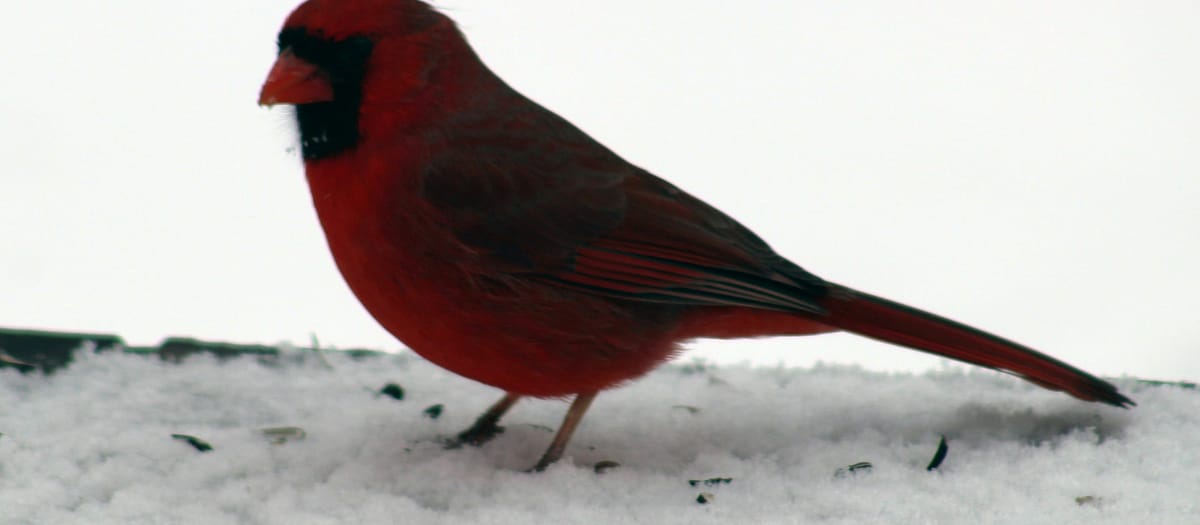
Winter is the most rewarding season for backyard bird watching and feeding. As natural food sources become scarce and temperatures plummet, birds depend heavily on supplemental feeding. A winter bird feeding guide tailored to your climate can make the difference between a thriving bird population and struggling birds. This comprehensive guide covers everything you need to set up an effective winter bird feeding system that will have birds visiting throughout the coldest months.
Why Winter Bird Feeding Matters Most
Winter bird feeding is critical because natural food sources (seeds, berries, insects) are scarce during cold months. Birds must eat constantly to maintain body temperature in freezing conditions. A winter bird feeding guide helps you provide the high-calorie foods birds need to survive harsh weather. Studies show that backyard feeders increase winter bird survival rates by up to 30%.
Best Winter Bird Foods: A Complete Guide
Different birds have different winter feeding needs. A winter bird feeding guide should account for species diversity:
High-Energy Winter Bird Foods
Black Oil Sunflower Seeds: The #1 winter bird food for most North American birds. High in oil (fat) content, sunflower seeds provide essential calories for winter bird survival. Cardinals, chickadees, finches, and nuthatches all love sunflower seeds in winter.
Peanuts (In-Shell or Pieces): Extremely high-calorie winter food for jays, woodpeckers, and nuthatches. Whole peanuts in shells encourage natural foraging behavior.
Suet Cakes: Essential winter bird food for woodpeckers, nuthatches, and wrens. Suet provides rapid calories for maintaining body heat. Use suet cakes made with real fat (not vegetable oil) during winter months.
Nyjer Seeds (Thistle): The preferred winter food for finches, particularly American Goldfinches and House Finches. Nyjer seeds are small and high in oil content.
Safflower Seeds: An excellent winter bird food that cardinals prefer but squirrels dislike. Safflower provides similar nutrition to sunflower but deters pest species.
Supplemental Winter Bird Foods
- Mealworms: Winter food for bluebirds and wrens. Especially valuable during thaws when birds crave protein.
- Dried Fruit: Raisins and cranberries attract winter robins and waxwings, especially when fresh fruit is scarce.
- Striped Sunflower Seeds: A lower-cost alternative to black oil sunflower, though less preferred by birds.
- Cracked Corn: Winter food for ground-feeding birds like juncos and doves, though less nutritious than seeds.
Best Winter Bird Feeders: Equipment Guide
A winter bird feeding guide must address feeder types for cold-weather use:
Tube Feeders for Winter
Tube feeders with multiple ports are ideal for winter bird feeding. Nyjer seeds and sunflower chips work well in tube feeders. They provide shelter while birds feed and are easy to clean (essential to prevent disease transmission in crowded winter populations).
Platform Feeders for Winter
Platform feeders are essential for winter bird feeding because larger species (cardinals, jays, woodpeckers) need flat surfaces. Platform feeders in winter should have good drainage to prevent standing water and ice formation.
Hopper Feeders for Winter
Traditional enclosed hopper feeders work well for winter bird feeding because they protect seed from snow and weather. The interior protected space provides shelter during feeding.
Suet Feeders for Winter
Cage-style suet feeders are critical for winter bird feeding. Mount them near shrubs for escape routes. In winter, suet feeders attract woodpeckers, nuthatches, wrens, and occasionally chickadees and cardinals.
Window Feeders for Winter
Window-mounted feeders bring winter bird watching close to your home. They’re especially valuable during severe cold when you can observe birds from the warmth of your house.
Winter Bird Feeding Setup: Location and Maintenance
Optimal Feeder Placement for Winter
- Near Shelter: Position feeders 10-15 feet from trees or shrubs that provide escape routes from predators
- Out of Wind: Winter birds lose heat rapidly in wind. Place feeders in protected locations on the windward side of your house or trees
- Good Visibility: Birds need clear sightlines to spot approaching hawks. Avoid dense brush within striking distance of feeders
- Accessible for Refilling: Winter weather makes feeder maintenance challenging. Place feeders where you can easily reach them even in snow
- Multiple Locations: Spread feeders around your yard to reduce overcrowding and aggressive competition
Maintenance During Winter
Winter bird feeding requires more frequent maintenance than other seasons:
- Daily Refilling: Cold weather burns more calories. Refill feeders daily, multiple times on extremely cold days
- Weekly Cleaning: Winter crowding increases disease transmission. Clean feeders weekly with a 10% bleach solution
- Ice/Snow Removal: Remove accumulated snow from feeders to keep seed accessible. Break ice off feeders after wet snow
- Water Maintenance: Keep bird baths (or heated bird baths) filled with water, not just food
- Monitor for Disease: Watch for sick birds (fluffed, lethargic, eye discharge). Remove feeders temporarily if disease appears
Winter Bird Feeding Strategy: A Step-by-Step Approach
Step 1: Start Early (September-October)
Begin supplemental feeding in early fall, before winter arrives. This allows birds to locate your feeders before harsh weather makes feeding critical for survival.
Step 2: Stock High-Energy Foods
Focus on black oil sunflower seeds and suet cakes, the highest-calorie foods for most winter birds. Use our Bird Seed Finder Tool to identify species in your region and their specific preferences.
Step 3: Provide Multiple Feeder Types
Install at least 3-4 different feeder types: tube feeders for finches, platform feeders for cardinals, suet feeders for woodpeckers, and nyjer sock feeders for finches.
Step 4: Maintain Consistent Supply
Never allow feeders to become completely empty during winter. Birds rely on consistent food sources and may abandon your yard if feeders run dry.
Step 5: Provide Water
A heated bird bath is essential winter bird feeding equipment. Water is as important as food during winter, and open water becomes scarce in freezing temperatures.
Step 6: Monitor and Maintain
Check feeders daily for cleanliness and fullness. Remove wet, moldy, or sprouted seed immediately.
Special Winter Bird Feeding Situations
Extreme Cold Events
During severe cold (below 0°F), increase feeding frequency to multiple times daily. Birds may visit feeders every 15-20 minutes to maintain body heat.
Heavy Snow and Ice Storms
After storms, feeders become critical lifelines. Clear snow from feeders immediately and increase food supply. Provide extra suet and high-calorie seeds.
Freeze-Thaw Cycles
These cycles are harder on birds than sustained cold. During thaws, birds expend energy seeking natural food, then must survive refreezing temperatures. Consistent supplemental feeding is essential.
Winter Bird Feeding: FAQ
Q: Will winter bird feeding hurt birds by making them dependent?
A: No. Birds make their own migration decisions based on day length and seasonal cues, not feeder availability. Feeders supplement natural survival strategies, not replace them.
Q: When should I stop winter bird feeding?
A: Continue feeding through spring migration. Migrating birds need high-calorie food before their journey. Stop when natural food sources become abundant (usually May-June).
Q: What’s the best location for a winter bird bath?
A: Place it 10-15 feet from shelter (escape routes), where you can see it, and ideally where afternoon sun can help keep water from freezing.
Q: Can I feed bread to birds in winter?
A: Not recommended. Bread provides minimal nutrition and can contribute to disease. Stick to high-energy seeds, nuts, and suet.
Q: How do heated bird baths work?
A: Submersible heaters or thermostat-controlled baths maintain water above freezing. Quality bird baths ensure birds have open water throughout winter.
Creating a Complete Winter Feeding System
The ultimate winter bird feeding guide approach combines all elements: multiple feeder types, high-energy foods, consistent maintenance, shelter, and water. This comprehensive system ensures maximum winter bird survival and rewards you with incredible backyard bird watching during the season when birds are most active at feeders.
Ready to implement your winter bird feeding system? Use our Feeder Setup Planner to design a custom winter configuration for your yard and region.
Winter bird feeding is one of the most rewarding ways to connect with nature. Start now, maintain consistently, and you’ll enjoy months of close encounters with beautiful backyard birds.
FAQ: Winter Bird Feeding Questions
Q1: Is it safe to feed birds in winter?
A: Absolutely! Winter feeding helps birds survive harsh conditions. Research shows birds with access to feeders have better survival rates. Keep feeders clean to prevent disease.
Q2: What temperature is too cold for feeders?
A: There’s no “too cold.” Birds benefit from feeders year-round. However, clean them more frequently in winter—frozen, wet seed can spoil quickly.
Q3: Do birds depend on feeders and forget to forage?
A: No. Feeders supplement natural foraging. Birds visit feeders when natural food is scarce, then move on. They always maintain foraging instincts.
Q4: What’s the best seed for winter feeding?
A: Black oil sunflower seeds and nyjer seed provide highest energy. High-fat seeds (suet, peanuts) are especially valuable in winter when birds need extra calories.
Q5: Should I leave feeders up year-round?
A: Yes! Year-round feeders support birds during all seasons—not just winter. Spring migrants need fuel, summer birds need alternatives when natural food is processed, and fall migrants need preparation for migration.
Leave a Reply