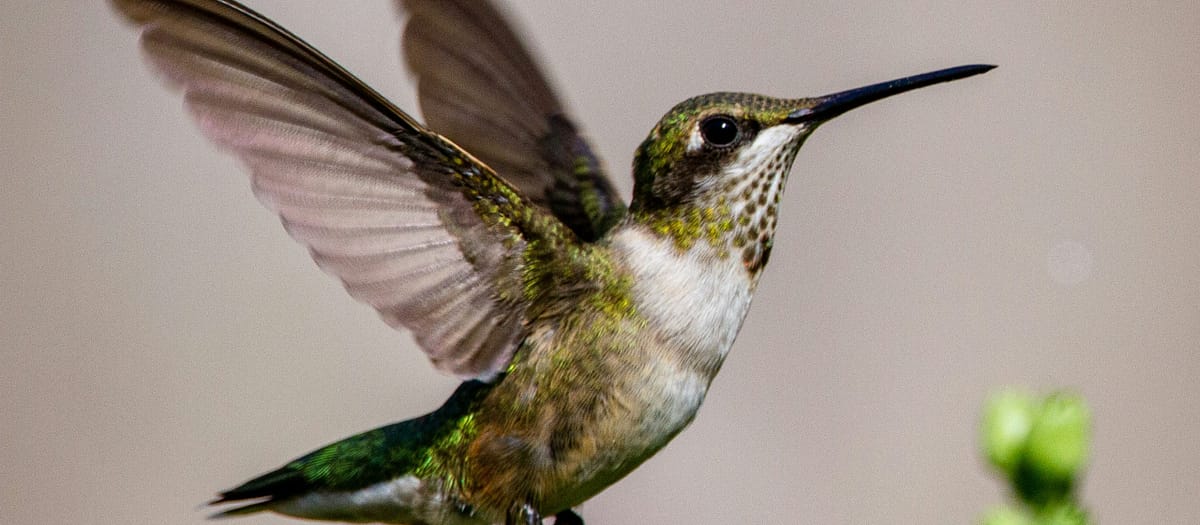
If you live in Florida and you’ve been watching your backyard lately, you’ve probably noticed something amazing: backyard birds in Florida are out year-round. Unlike most of the country, Florida’s warm climate means you don’t have to wait for spring migration to enjoy a busy feeder. From the fiery red Northern Cardinal to the acrobatic Ruby-throated Hummingbird, the Sunshine State is a year-round paradise for backyard birders.
Whether you’re new to bird feeding or you’ve had feeders up for years, this guide covers the most common Florida backyard birds, what to feed them, and how to identify them. Use our free Zip Lookup Tool below to see exactly which birds are reported in your specific Florida ZIP code right now.
Why Florida Is a Birdwatcher’s Dream
Florida sits at a geographic crossroads. It’s the southernmost state in the contiguous US, surrounded by water on three sides, and it sits directly in the path of the Atlantic and Mississippi flyways. That means Florida gets:
- Year-round resident species that never leave
- Winter visitors that escape cold northern climates
- Spring and fall migrants passing through
- Tropical and subtropical species found almost nowhere else in the US
The result? Florida birders can legitimately expect to see 20+ species in a single backyard session. If you’re just getting started, check out our guide to identifying backyard birds across the US for a broader overview of what’s possible.
The Most Common Backyard Birds in Florida
Here are the birds you’re most likely to see at your feeder or fluttering around your Florida yard, organized by how often they show up.
1. Northern Cardinal
The Northern Cardinal is Florida’s most iconic backyard bird. Males are brilliant red; females are a warm buff-brown with red highlights. They love sunflower seeds and safflower and will visit feeders all day long. Cardinals are year-round residents throughout Florida and are especially active at dawn and dusk.
2. Blue Jay
Bold, loud, and unmistakable — the Blue Jay is a permanent Florida resident. They’ll dominate a feeder if you let them, but they’re also fantastic scouts that alert other birds to danger. Blue Jays love peanuts, sunflower seeds, and corn. Their bright blue plumage makes them a fan favorite.
3. Carolina Wren
Small but incredibly loud for its size, the Carolina Wren sings a rich, bubbly song all year. These rusty-brown birds with a bold white eyebrow stripe prefer suet and mealworms, and they’ll often nest near porches and outbuildings. Year-round in Florida.
4. Mourning Dove
Mourning Doves are ground-feeding birds that prefer to pick up seeds that spill below your feeder. They’re soft-gray with a gentle cooing call, and they move in pairs or small flocks. In Florida, they’re present year-round and are one of the most frequently seen backyard species.
5. Ruby-throated Hummingbird
While most of the US only sees Ruby-throated Hummingbirds in summer, Florida is special: some birds overwinter in the state, and others pass through during migration. The peak season runs April through October, but feeders in south Florida may attract hummingbirds all year. Hang a nectar feeder and you’ll be rewarded.
👉 Our pick: Glass Hummingbird Feeder with 5 Feeding Ports & Perch ($16.99) — leak-proof and easy to clean, perfect for Florida’s heat.
6. American Robin
Most Floridians think of the Robin as a northern bird, but it’s actually a common winter visitor to Florida lawns and gardens. Robins don’t typically visit seed feeders — they prefer berries and earthworms — but plant native fruiting shrubs and you’ll attract flocks in December through February.
7. Gray Catbird
Named for its distinctive mewing call, the Gray Catbird is a talented mimic related to mockingbirds. In Florida, catbirds are winter visitors (October–April) that love fruiting shrubs and suet. They’re secretive but curious birds that you’ll often spot lurking near dense shrubs.
8. Northern Mockingbird
The Northern Mockingbird is Florida’s state bird — and for good reason. It’s one of the most vocal and territorial birds in North America, capable of mimicking dozens of other bird species. Mockingbirds are year-round residents that defend their territory fiercely. They prefer open areas and love berries.
9. Painted Bunting
If you want to see what might be North America’s most colorful bird, set up a nyjer or millet feeder in Florida this winter. Male Painted Buntings are a jaw-dropping combination of blue, green, and red. Florida is a key wintering ground for this species (October–April), and they’re regular feeder visitors if you offer the right seeds.
10. House Finch
House Finches are small, streaky birds with rosy-red heads and breasts on males. They’re year-round residents in northern Florida and winter visitors in the south. They flock to tube feeders filled with sunflower chips or nyjer seed and are often seen in groups of 5–15 birds at a time.
Florida-Specific Species You Won’t See Up North
Part of what makes birding in Florida so exciting is the tropical and subtropical species you won’t find in most other states:
- Florida Scrub-Jay — found only in Florida, this bold blue jay relative will eat right out of your hand in some preserves
- Sandhill Crane — these tall, gray birds often walk through suburban yards in Florida; they’re not feeder birds but are unforgettable to see
- Boat-tailed Grackle — large, glossy black birds common in coastal and urban Florida
- Common Ground-Dove — tiny doves about the size of a sparrow, found in south Florida year-round
- Anhinga — you might spot this prehistoric-looking waterbird near ponds and lakes in any Florida neighborhood
What to Feed Backyard Birds in Florida
Florida’s bird diversity means you can attract more species by offering a variety of foods. Here’s a quick reference:
- Black-oil sunflower seed — the #1 seed for cardinals, finches, chickadees, and nuthatches
- White millet — essential for doves, Painted Buntings, and sparrows (use a platform feeder)
- Nyjer/thistle seed — best for finches and buntings
- Suet — critical for woodpeckers, wrens, and catbirds, especially in winter
- Nectar — keep a hummingbird feeder up year-round in south Florida
- Fresh fruit & berries — mockingbirds, catbirds, and robins love them
Setting up a proper feeding station makes a huge difference in how many species you attract. We have a full step-by-step guide to setting up a bird feeding station for beginners that walks you through placement, feeder types, and seed selection.
Best Feeders for Florida Backyards
Florida’s heat and humidity mean you need feeders that are easy to clean and weather-resistant. Here are our top picks:
- 🌿 Kingsyard Heavy Duty Platform Feeder ($19.99) — perfect for millet and doves; mesh tray drains quickly in Florida rain
- 🌻 Kingsyard Metal Hopper Feeder with Dual Chamber ($19.99) — great for sunflower seed; weather-resistant and squirrel-resistant
- 🌺 Glass Hummingbird Feeder ($16.99) — easy to clean, essential for attracting Ruby-throated Hummingbirds
- 🏗️ Kingsyard Bird Feeding Station Kit ($27.99) — hang multiple feeders from one sturdy pole; great for maximizing species diversity
- 💧 Daoeny 35-Inch Metal Bird Bath ($23.99) — birds need fresh water year-round; a bird bath dramatically increases backyard activity
For a full breakdown of which feeder works for which species, see our roundup of birds you’ll see at your feeder this summer.
🔍 Find Birds in Your Florida ZIP Code (Free Tool)
The birds in your backyard vary depending on where in Florida you live. South Florida (Miami, Naples) has more tropical species. Central Florida (Orlando, Tampa) has a great mix. North Florida (Jacksonville, Tallahassee) sees more typical southeastern US species and more winter visitors.
Use our free Backyard Bird Zip Lookup Tool to see the exact species reported near your ZIP code, including seasonal patterns, common feeder birds, and rare sightings:
[backyard_bird_zip_lookup]
Just enter your Florida ZIP code and get a customized list of birds likely visiting your area right now. It’s powered by real birding data and updated regularly.
Seasonal Guide: What to Expect Each Season in Florida
One of the great advantages of birding in Florida is that every season brings something new:
- Spring (March–May): Migration is in full swing. Warblers, vireos, tanagers, and orioles pass through. Hummingbirds return. Cardinals and wrens are nesting.
- Summer (June–August): Year-round residents are raising young. Expect lots of juvenile birds. Ruby-throated Hummingbirds are active. Shorebirds and wading birds throng Florida’s coasts.
- Fall (September–November): Another wave of migration. Painted Buntings start arriving. Warblers move through again heading south. Catbirds and robins begin appearing.
- Winter (December–February): Peak diversity at feeders. Painted Buntings, robins, catbirds, and sparrows join residents. This is when Florida’s warm climate really pays off for birders — while the rest of the US is frozen, your feeders can be booming.
Frequently Asked Questions About Backyard Birds in Florida
What is the most common backyard bird in Florida?
The Northern Cardinal and Northern Mockingbird (Florida’s state bird) are consistently the most commonly reported backyard birds across the state. Cardinals visit feeders year-round and are easily recognized by the male’s brilliant red plumage. Mockingbirds are territorial, vocal, and present in virtually every Florida neighborhood.
Do hummingbirds stay in Florida year-round?
In south Florida, yes — some Ruby-throated Hummingbirds overwinter, and there are rare sightings of western species like the Rufous Hummingbird. In central and north Florida, hummingbirds are primarily present from April through October, with peak activity in summer. Keeping a nectar feeder up year-round is the best strategy to catch every opportunity.
What bird seed attracts the most birds in Florida?
Black-oil sunflower seed attracts the widest variety of Florida backyard birds, including cardinals, finches, chickadees, and nuthatches. White millet in a platform feeder is essential for attracting Painted Buntings, doves, and sparrows. Offering both at the same time significantly increases your species count.
Are there birds only found in Florida?
Yes! The Florida Scrub-Jay is the only bird species endemic to Florida — it’s found nowhere else in the world. It’s a state-listed threatened species that lives in Florida’s scrub habitat. While it won’t come to a typical backyard feeder, visiting a scrub preserve near Orlando or along the coast gives you a chance to see this iconic Florida-only bird.
Why do I see more birds at my feeder in winter in Florida?
Florida’s mild winters attract birds that breed in northern states and Canada. Species like American Robins, Gray Catbirds, Painted Buntings, and Yellow-rumped Warblers spend the winter in Florida because food is available and it never freezes. This “snowbird” effect applies to birds too — Florida’s feeder diversity peaks from November through March.
Ready to Start Attracting More Florida Backyard Birds?
The combination of year-round warm weather, diverse habitats, and major migration routes makes Florida one of the best states in the country for backyard birding. With the right feeders, the right seeds, and a fresh bird bath, you can attract 15–20 species to your yard on a regular basis.
Use our free Zip Lookup Tool above to get a personalized bird list for your exact Florida ZIP code. And if you’re not sure why certain birds aren’t showing up yet, our guide to identifying and attracting backyard birds has everything you need to get started.
Happy birding! 🐦
Leave a Reply