What Birds Are In My Backyard? A Guide to Local Backyard Birds by Area
You’re standing at your kitchen window with a cup of coffee, and you spot a flash of color in your yard. It’s a beautiful bird—but you have no idea what it is. You’re not alone. Millions of people ask the same question every day: “What birds are in my backyard?”
The truth is, identifying backyard birds can be tricky without the right tools. Different regions attract different species. A cardinal in New York looks nothing like a painted bunting in Florida. A black-capped chickadee in Massachusetts won’t show up in Southern California backyards.
Here’s the good news: figuring out what birds visit your yard is simpler than you think—and it’s absolutely fascinating once you start paying attention.
Start with Your Zip Code
Here’s something most people don’t realize: you can look up exactly which birds are in your area based on your zip code. Different regions—even within states—attract different species. A birdwatcher in Denver will see completely different birds than someone in Boulder, just 30 miles away.
Want to know what birds visit your specific backyard? Use our free zip code lookup tool below. Enter your location and discover which birds are most commonly seen in your exact area, what months they visit, and what they eat.
Why Do Different Backyard Birds Visit Different Areas?
Before we dive into identifying your local birds, let’s understand why your backyard attracts the specific species it does.
Climate and Geography Matter
Birds are adapted to specific climates and ecosystems. A species that thrives in the cool forests of the Pacific Northwest wouldn’t survive the hot deserts of Arizona. Your region’s climate, elevation, and landscape directly determine which backyard birds by zip code you’re likely to see.
For example, pine siskins love cooler climates with coniferous trees. House finches thrive in warmer, more urbanized areas. Mourning doves adapt to almost anywhere. But the specific mix you see depends on where you live.
Seasonal Migration Patterns
Not all backyard birds stay year-round. Many are seasonal visitors. Hummingbirds migrate through in spring and fall. Warblers pass through during migration. Goldfinches shift their ranges based on food availability.
This is why the birds you see in January might be completely different from the birds you see in July. Your yard becomes a rest stop on their migration highway.
Available Food Sources
Birds go where the food is. If your yard has native plants with seeds and berries, you’ll attract seed-eating birds. If you have flowers with nectar, hummingbirds will find you. If you have trees with lots of insects, insect-eaters like warblers will visit.
This is crucial: what you plant, what you leave standing, and what you offer as supplemental food directly shapes which birds visit your backyard.
Common Backyard Birds and How to Spot Them
Let’s talk about the birds most people see in their yards. These common backyard birds show up across much of North America, though regional variations exist.
Cardinals
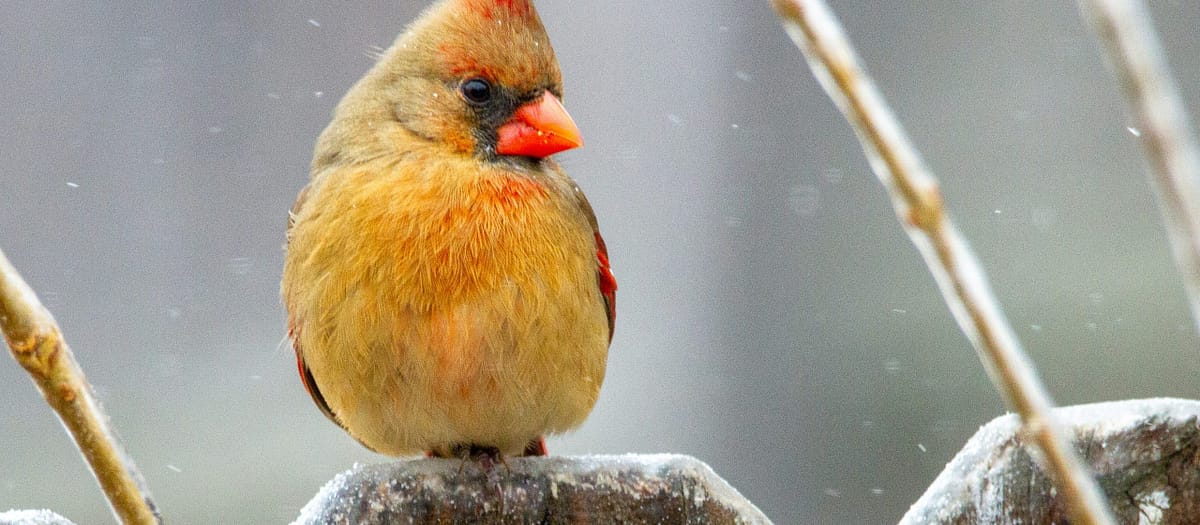
The northern cardinal is one of the most recognizable backyard birds in North America. Males are brilliant red with a black face mask. Females are tan with reddish tinges. Both are stocky with a distinctive crest on their head. They love sunflower seeds and visit feeders year-round in the eastern and central US.
Black-Capped Chickadees
These tiny acrobats are beloved across the northern US and Canada. They’re easily identified by their black cap, white cheeks, and black bib. They’re fearless, curious, and will eat directly from your hand. They prefer black oil sunflower seeds and suet.
American Robins
Robins are common across the entire continent. Males have rusty-orange breasts with blue-gray backs. They’re ground feeders, hopping around looking for earthworms and insects. You’ll see them more in spring and early summer when they’re nesting and feeding chicks.
Mourning Doves
These graceful birds are found almost everywhere in the US. They’re soft brown with sleek bodies and long tails. They coo softly and feed on the ground, eating spilled seeds under feeders. They’re gentle, non-aggressive birds.
House Finches and Goldfinches
House finches (with reddish breasts in males) and American goldfinches (bright yellow in breeding season) are common feeder visitors. Goldfinches love nyjer seeds, while finches prefer sunflower seeds.
Finding Backyard Birds in Your Area
Knowing what birds could be in your area is one thing. Knowing what birds are actually in your yard right now is another.
Use a Bird Identification App
Apps like Merlin Bird ID (free from Cornell Lab of Ornithology) let you identify birds by photo, sound, or description. You can filter by location and see what’s common in your area right now.
Keep a Simple Bird Journal
Write down what you see: date, time, description, behavior. Over a few weeks, patterns emerge. You’ll start recognizing regulars. You’ll notice seasonal changes. This is how you learn birds in my area—through observation and tracking.
How to Attract the Birds in Your Backyard
Once you know what birds visit your area, the fun part begins: attracting more of them.
Offer the Right Food
Different birds eat different foods. Cardinals love black oil sunflower seeds. Chickadees prefer the same plus suet. Finches want nyjer seeds. Hummingbirds need nectar. Robins prefer live worms and insects.
The key is offering food that matches the birds in your region. There’s no point stocking your feeder with thistle seeds if goldfinches don’t visit your area. Research what birds you found using the tool above, then offer their preferred foods.
Provide Fresh Water
A bird bath is one of the fastest ways to attract birds. Water for drinking and bathing is scarce in urban and suburban areas. A simple pedestal bird bath kept clean and filled with fresh water will attract birds you might never see at feeders.
Plant Native Plants
Feeders are great, but native plants are the foundation of a bird-friendly yard. They produce seeds, berries, and insects—natural foods birds prefer. Native plants also provide shelter and nesting sites.
The specific plants depend on your region. A native plant that attracts birds in Texas won’t work in Maine. This is where knowing your local birds matters. Plant species they naturally feed on.
Create Shelter and Nesting Sites
Dense shrubs provide refuge from predators. Dead trees (snags) provide nesting cavities and insect habitat. Evergreens offer winter protection. A messy yard with some structure is more attractive to birds than a manicured lawn.
Getting Started This Week
You don’t need expensive equipment or years of experience to start enjoying backyard birds. Here’s your action plan:
- Use our zip code lookup tool to discover which birds visit your area right now
- Set up one simple feeder with black oil sunflower seeds—the most universal bird food
- Place a bird bath with fresh water near a window
- Spend 10 minutes daily watching and noting what you see
- Research the birds you spot using Merlin Bird ID or a field guide
- Gradually adjust your yard based on what you learn—more plants, different foods, better shelter
Your Backyard Can Become a Bird Haven
Whether you’re a curious beginner or a serious birder, understanding what birds are in your backyard transforms your connection to nature. You stop seeing your yard as just a lawn. You start seeing it as a habitat. An ecosystem. A refuge.
Ready to discover which birds visit your area? Use our free zip code lookup tool to find out exactly which species call your region home, when they visit, and what attracts them. Then watch your backyard come alive with color, movement, and birdsong.
🔗 Use our Bird Seed Calculator (Check on Amazon) to plan the perfect feeding strategy for your local birds. Enter your region and bird list—get customized seed recommendations.
What’s your favorite bird in your backyard? Comment below—we’d love to hear what species visit your yard!
[…] Want to know what’s being spotted in your specific zip code right now? Our free tool pulls real local sighting data so you can see exactly what Michigan birds are in your neighborhood. Use the Backyard Bird Lookup Tool here → […]
[…] → Try the Free Backyard Bird Zip Lookup Tool […]
[…] 🔍 Look Up Your Backyard Birds by Zip Code → […]