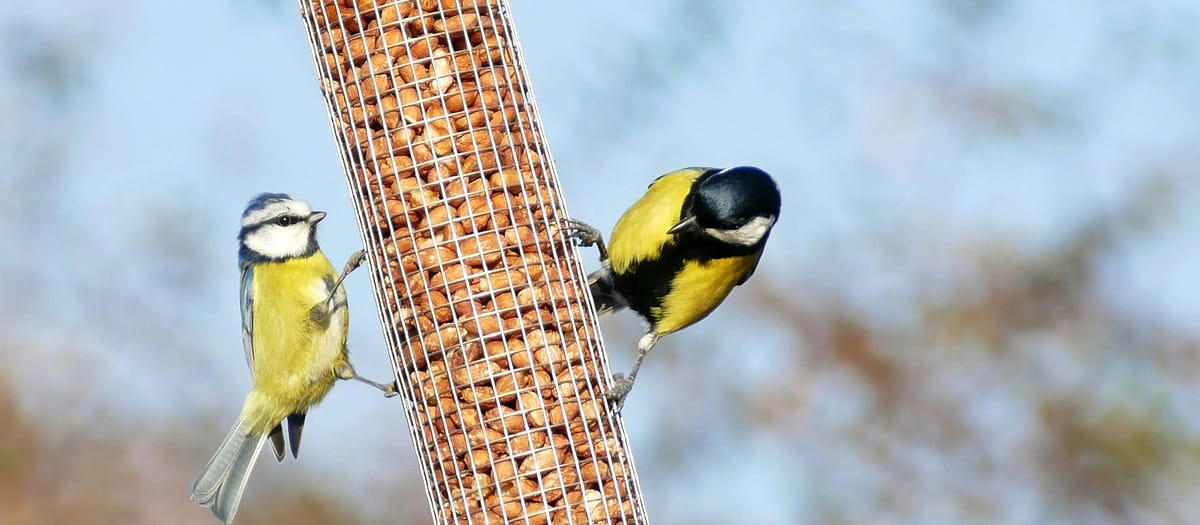
If you’re just getting started with backyard bird feeding, welcome — you’re about to discover one of the most rewarding hobbies around. But like anything new, it comes with a learning curve. Backyard bird feeding mistakes are incredibly common among beginners, and most of them are easy to fix once you know what to look for. Whether your feeders are sitting empty, getting raided by squirrels, or just not attracting the birds you hoped for, this guide covers the seven most frequent missteps — and exactly what to do about each one.
Why Backyard Bird Feeding Mistakes Are So Common
Most people start out by grabbing the first feeder they see at the hardware store, filling it with generic mixed seed, and hanging it from the nearest branch. Then they wait. And wait. Sound familiar?
The problem isn’t your yard — it’s the setup. Birds are surprisingly particular about where they eat, what they eat, and whether they feel safe doing it. A few small tweaks can turn a ghost-town feeder into a busy bird buffet. Let’s walk through the seven biggest backyard bird feeding mistakes beginners make, starting with the most common one.
The 7 Most Common Backyard Bird Feeding Mistakes
Mistake #1: Using the Wrong Type of Feeder
Not all feeders work for all birds. A standard tube feeder is great for finches and chickadees, but ground-feeding birds like sparrows, doves, and juncos prefer a flat tray or platform feeder. Cardinals love hopper feeders with a wide perch. Woodpeckers need suet cages.
Beginners often pick one feeder and expect every species to line up. In reality, variety is the key to attracting a diverse mix of birds. A simple starting setup: one hopper or tube feeder for general use, plus a platform tray below it to catch fallen seed and invite ground feeders.
Fix it: Start with a quality hopper feeder like the Kingsyard Metal Bird Feeder ($19.99) — weather-resistant, 4 lb capacity, and works well for most common backyard species. Add a platform tray over time to widen your bird appeal.
Mistake #2: Placing the Feeder in the Wrong Spot
Feeder placement matters more than most beginners realize. Hang it too close to the house and birds may feel exposed. Too far away and you won’t be able to enjoy watching them. Too close to windows and you risk fatal bird-window collisions.
The sweet spot: within 3 feet of a window (so collisions are low-impact if they happen) or more than 30 feet away. Birds also feel safer when feeders are near natural cover — shrubs, hedges, or trees — where they can dart if a hawk appears.
Fix it: Use a step-by-step beginner setup guide to map your yard before you hang anything. Position feeders with sight lines in mind — yours and the birds’.
Mistake #3: Skipping Feeder Cleaning
This is arguably the most dangerous mistake on the list. Dirty feeders harbor mold, bacteria, and salmonella — all of which can sicken or kill the birds you’re trying to help. Wet seed clumps inside feeders, goes rancid, and becomes a breeding ground for disease.
Most beginners don’t realize feeders need regular cleaning — at minimum every 1–2 weeks, more often in hot or humid weather.
Fix it: Get a dedicated feeder cleaning brush. The Songbird Essentials Feeder Cleaning Brush ($15.90) is a double-ended tool with a large tube head and small port head — perfect for getting into every corner. Rinse feeders with a 10% bleach solution, then let them dry completely before refilling.
Mistake #4: Offering Only One Type of Seed
Generic “wild bird mix” from the grocery store often contains filler seeds — red milo, wheat, oats — that most backyard birds ignore and simply toss to the ground. You end up with a mess, wasted money, and fewer visitors than expected.
Different birds want different seeds. Black-oil sunflower seed is the single best all-purpose option, loved by cardinals, chickadees, nuthatches, finches, and more. Nyjer (thistle) seed is a goldfinch magnet. Safflower attracts cardinals and deters squirrels. Peanuts bring jays and woodpeckers.
Fix it: Start with 100% black-oil sunflower seed and branch out from there. Not sure what to offer? The Free Bird Seed Finder Tool on this site lets you enter your target birds and get a personalized seed recommendation in seconds.
Mistake #5: Ignoring Squirrels Until It’s Too Late
Squirrels are athletic, persistent, and motivated by food. If you don’t plan for them from day one, they will empty your feeders, scare off smaller birds, and potentially destroy the feeder itself by chewing through plastic parts.
This doesn’t mean waging war on squirrels — it means designing your setup so the birds win. A properly placed baffle on your feeder pole stops almost every squirrel in its tracks.
Fix it: Mount your feeder on a pole with a squirrel baffle installed below the feeder. The 20-Inch Transparent Squirrel Baffle ($26.99) wraps around the pole and uses a spring mechanism that tilts under a squirrel’s weight. Combine it with a pole set at least 10 feet from any jumping-off point. For more, see: Squirrel-Proof Bird Feeders: Do They Actually Work?
Mistake #6: Giving Up Too Soon
This is one of the most heartbreaking beginner mistakes. You set up your feeder, fill it with seed, and after a few days — nothing. So you assume your yard isn’t a good bird spot and give up.
Here’s the truth: it can take 1–4 weeks for birds to discover a new feeder. Birds are cautious by nature. They’re watching. They’re checking for predators. Once one bird finds it and others see it visiting safely, traffic picks up quickly.
Fix it: Be patient. Keep the seed fresh, make sure placement is right, and give it at least a month before drawing conclusions. Still waiting? Check out our troubleshooting guide: Why Aren’t Birds Coming to My Feeder?
Mistake #7: Forgetting a Fresh Water Source
Food gets all the attention, but water is often what seals the deal for birds. Many species that don’t visit seed feeders — warblers, thrushes, robins — will absolutely come for a reliable water source. During summer heat or winter freeze, fresh water can be the difference between a bird-filled yard and an empty one.
A simple, shallow bird bath is all you need. Change the water every 2–3 days to prevent mosquitoes and keep it clean. In winter, a heated bird bath is worth every penny.
Fix it: Add a bird bath near (but not directly under) your feeders. Something like the Daoeny Freestanding Metal Bird Bath ($23.99) is sturdy, attractive, and easy to maintain.
Recommended Products to Set Up Right the First Time
If you want to skip the trial-and-error, here’s a solid beginner setup that avoids all seven mistakes above:
- 🐦 Feeder: Kingsyard Metal Hopper Bird Feeder ($19.99) — durable, weather-resistant, ideal for mixed flocks
- 🪵 Platform tray: Large Hanging Platform Bird Feeder Tray ($12.99) — adds ground-feeding birds to your mix
- 🌿 Pole: Kingsyard Bird Feeding Station Kit ($27.99) — 85″ pole with 5-prong base for stability
- 🐿️ Squirrel baffle: 20-Inch Transparent Squirrel Baffle ($26.99) — spring-loaded, mounts to the pole
- 🧽 Cleaning brush: Songbird Essentials Feeder Cleaning Brush ($15.90) — double-ended for thorough cleaning
Frequently Asked Questions About Backyard Bird Feeding Mistakes
How long does it take for birds to find a new feeder?
Most feeders attract first visitors within 1–4 weeks. The timeline depends on your local bird population, feeder placement, and what type of seed you’re using. Black-oil sunflower seed is the fastest way to attract a wide variety of birds. Placing your feeder near natural cover (shrubs, trees) speeds up the process because birds feel safer approaching it.
Why do squirrels keep emptying my bird feeder?
Squirrels are determined foragers — if there’s an easy food source, they’ll exploit it. The most effective deterrent is a physical squirrel baffle mounted on the feeder pole, positioned at least 5 feet off the ground and 10 feet from any nearby launch point (fence, tree branch, deck rail). Switching to safflower seed can also help, as squirrels tend to dislike its bitter taste while many birds love it.
How often should I clean my bird feeder?
Every 1–2 weeks is the standard recommendation, but you should clean more frequently during hot, humid weather when mold and bacteria grow faster. Give your feeder a scrub with a 10% bleach solution (1 part bleach, 9 parts water), rinse thoroughly, and allow it to dry completely before refilling. This protects the birds from disease and keeps your feeder working properly.
What’s the best bird seed for beginners?
Black-oil sunflower seed is the single best starting point. It attracts the widest variety of common backyard birds — cardinals, chickadees, finches, nuthatches, sparrows, and more. Avoid generic “wild bird mix” that contains filler grains most birds reject. Once you’ve established your basic feeding station, you can add nyjer seed for goldfinches or safflower for cardinals and doves.
Can I feed birds year-round, or only in winter?
Year-round feeding is absolutely fine and actually beneficial for birds. Summer feeding helps parent birds fuel up while raising chicks, and resident species rely on feeders during hot spells when natural food sources are stressed. The key difference in summer is hygiene — warm weather accelerates mold and spoilage, so clean your feeders more frequently and use smaller seed portions to ensure freshness.
Ready to build your perfect beginner setup? Start with our complete guide: How to Set Up a Bird Feeding Station for Beginners.
Leave a Reply