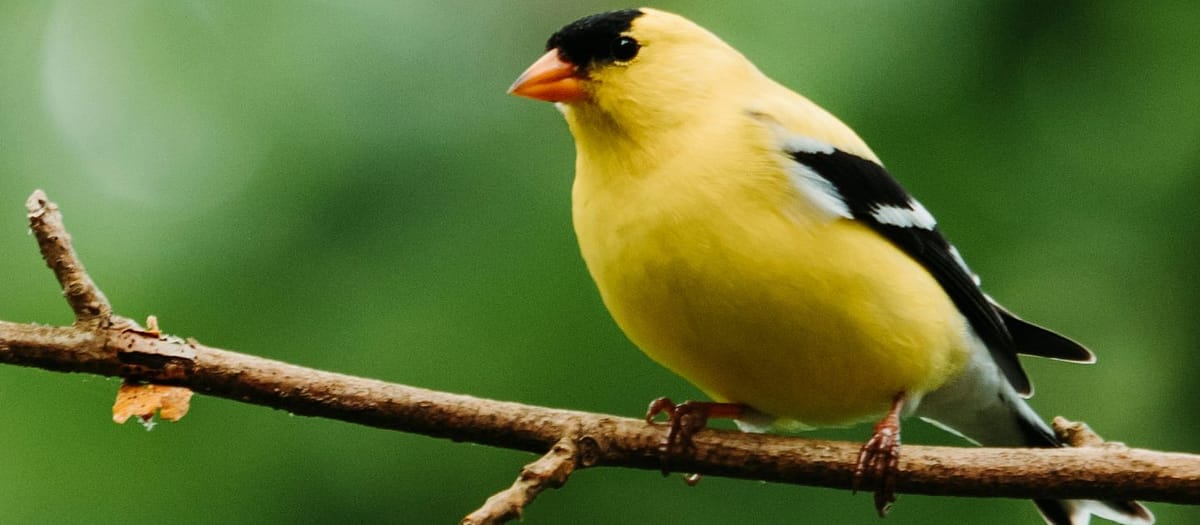
Want more birds visiting your backyard? The secret is simple: create a bird friendly yard that gives birds exactly what they need — food, water, shelter, and safety. Whether you’re starting from scratch or looking to level up your setup, these 10 practical tips will transform your outdoor space into a haven that attracts a stunning variety of species all year long.
You don’t need a big yard or a big budget. Even small changes can make a dramatic difference in how many birds show up — and how often they return. Let’s dive in.
Why a Bird-Friendly Yard Matters
Backyard birding is one of the fastest-growing hobbies in North America — and for good reason. Birds bring life, color, and song to any outdoor space. But beyond the joy they bring to us, supporting local bird populations is genuinely important. Habitat loss, pesticide use, and climate change have put pressure on bird populations across the continent. Your yard can be a small but meaningful refuge.
The good news? It doesn’t take much. A few simple additions can turn an average backyard into a thriving ecosystem that birds seek out year after year.
10 Ways to Create a Bird-Friendly Yard
1. Set Up a Well-Stocked Bird Feeder
This is the most obvious starting point — and the most impactful. A quality feeder filled with the right seed is the fastest way to attract birds to your yard. Different birds prefer different seeds, so a mix works well for general use. Black-oil sunflower seed is the gold standard: it attracts the widest variety of species including cardinals, chickadees, finches, and nuthatches.
A hopper-style feeder is a great all-purpose choice. The Kingsyard Metal Bird Feeder ($19.99) holds up to 4 lbs of mixed seed and is weather-resistant — perfect for year-round use.
2. Add a Fresh Water Source
Birds need water just as much as food, and a clean bird bath can be even more effective than a feeder at drawing in species that don’t eat seeds — like robins, warblers, and bluebirds.
The key is keeping it fresh. Change the water every 1–2 days, especially in summer when algae builds up quickly. A shallow dish (1–2 inches deep) is ideal since most birds won’t wade into deep water. We have a full guide on bird bath setup and maintenance if you want to go deeper.
A freestanding bath like the Daoeny 35-inch Metal Bird Bath ($23.99) is a beautiful and functional choice — it’s sturdy, easy to clean, and at the perfect height for birds to spot and feel safe using.
3. Plant Native Trees, Shrubs, and Flowers
Native plants are one of the most powerful things you can do for birds. They provide natural food sources (seeds, berries, insects), shelter, and nesting materials — all for free once established. Native oak trees alone support hundreds of caterpillar species that migrating songbirds depend on during nesting season.
Even a few native plantings make a difference. Consider adding native berry-producing shrubs like serviceberry, elderberry, or viburnum. Coneflowers, black-eyed Susans, and sunflowers are also bird magnets and easy to grow.
4. Create a Full Feeding Station (Not Just a Single Feeder)
A single feeder is a good start, but a full bird-friendly yard has a proper feeding station — multiple feeder types on a sturdy pole system that attracts a wider variety of species. Different feeders attract different birds, so mixing a tube feeder, a platform feeder, and a suet cage covers a lot of ground.
A bird feeder pole like the Kingsyard Bird Feeding Station Kit ($27.99) lets you hang multiple feeders and accessories at once — and the 5-prong base keeps it stable even in wind. Check out our beginner’s guide to setting up a bird feeding station for a step-by-step walkthrough.
5. Think Strategically About Feeder Placement
Where you put your feeders matters almost as much as what’s in them. Birds feel safest when feeders are placed near cover (shrubs, trees) they can dart to if startled, but not so close that predators can use the cover to ambush them. A good rule of thumb: 5–10 feet from low shrubs, and at least 30 feet from any windows to prevent collisions.
Our detailed guide on bird feeder placement covers the exact spacing and height recommendations for every feeder type.
6. Keep Feeders Clean and Maintained
A dirty feeder can spread disease and drive birds away. Wet, moldy seed is a serious hazard — it can cause salmonella and other illnesses that can wipe out entire flocks. Make feeder cleaning part of your routine: scrub feeders every 1–2 weeks with a 10% bleach solution, rinse well, and let them dry completely before refilling.
Toss any wet or clumped seed immediately. In humid summer months, fill feeders with just a few days’ worth of seed at a time so nothing has a chance to go bad.
7. Reduce or Eliminate Pesticide Use
This one is often overlooked, but it’s huge. Pesticides don’t just kill insects — they remove a critical food source for birds, especially during breeding season when adults are feeding protein-rich insects to their chicks. Many common insecticides are also directly toxic to birds.
If you need to manage pests, look for targeted, bird-safe alternatives. Better yet, let natural predators — including birds themselves — do the work. Chickadees, warblers, and bluebirds are voracious insect hunters and will help control pest populations naturally.
8. Provide Shelter and Nesting Opportunities
Birds need more than food — they need places to hide, roost, and raise young. Dense shrubs and evergreen trees provide excellent shelter from weather and predators. Adding a nest box (birdhouse) is another great option, though different species have very specific size and hole-diameter requirements.
Leave a brush pile in a corner of your yard — what looks messy to us is prime habitat for ground-feeding sparrows, towhees, and wrens. Leaving dead branches (when safe) also provides cavity nesting opportunities for woodpeckers, bluebirds, and chickadees.
9. Protect Birds from Predators (Especially Cats)
Outdoor and feral cats are the single largest human-related cause of bird deaths in North America — responsible for an estimated 1–4 billion bird deaths per year in the US alone. If you have outdoor cats, consider keeping them inside, especially during peak bird activity in early morning.
You can also protect feeders from cats and squirrels by mounting them on a pole with a squirrel and predator baffle. A simple baffle like the Squirrel Baffle for Bird Feeder Pole ($15.19) can block climbing predators effectively without harming them.
10. Think Year-Round, Not Just in Spring
Many backyard birders set up feeders in spring and summer — but winter is actually when birds need supplemental food the most. Natural food sources disappear, and birds burn enormous amounts of energy just staying warm. Keeping feeders stocked through fall and winter supports resident species like chickadees, nuthatches, and dark-eyed juncos.
Plan your plantings, feeders, and water sources with all four seasons in mind and you’ll have a genuinely thriving, bird-friendly yard twelve months a year.
Top Product Picks for a Bird-Friendly Yard
Here are our recommended products to help you get started or upgrade your setup:
- Kingsyard Heavy Duty Hanging Platform Bird Feeder ($19.99) — Weatherproof platform feeder with mesh screen; great for cardinals, bluebirds, and goldfinches. Easy to clean.
- Kingsyard Metal Hopper Bird Feeder ($19.99) — Dual-chamber design holds 4 lbs of mixed seed; weather-resistant and chew-proof. An ideal all-purpose feeder.
- Daoeny 35-Inch Metal Bird Bath ($23.99) — Freestanding, vintage-style bird bath with feeder bowl; sturdy and easy to maintain.
- Kingsyard Bird Feeding Station Kit ($27.99) — 85-inch pole with 5-prong base; hang multiple feeders, baths, and accessories in one organized station.
- Squirrel Baffle for Bird Feeder Pole ($15.19) — Simple, effective baffle for shepherd hook poles; blocks climbing squirrels and cats from reaching feeders.
Frequently Asked Questions
What plants are best for attracting birds to my yard?
Native plants are your best bet. Berry-producing shrubs like serviceberry, elderberry, and dogwood are top choices — birds eat the berries and use the dense branches for shelter. Native sunflowers and coneflowers produce seeds birds love, while native oak and birch trees support the caterpillars that songbirds feed their chicks. Even a few native plantings make a meaningful difference compared to ornamental non-native plants.
Do I need a bird bath even if I have a feeder?
Yes, and it might actually attract more birds than your feeder. Many species that don’t eat seeds at all — including robins, warblers, and bluebirds — will visit a bird bath regularly. Fresh, clean water is one of the most effective ways to draw in a diverse range of birds. Keep the water shallow (1–2 inches), change it every couple of days, and place it near some cover so birds feel safe approaching.
How do I stop squirrels from raiding my feeders?
A pole-mounted baffle is the most reliable solution — it physically blocks squirrels from climbing up to reach the feeder. Combine this with placement away from trees, fences, or anything a squirrel could leap from (at least 8–10 feet horizontally, 5 feet off the ground), and you’ll dramatically reduce squirrel activity. Weight-sensitive caged feeders are another excellent option that close off seed access when anything heavier than a songbird lands on them.
How many feeders should I put out?
Start with two or three: a hopper or tube feeder for mixed or sunflower seed, a platform feeder for ground-feeding species, and a suet cage for woodpeckers and nuthatches. Add a nyjer/thistle feeder if you want to attract finches. Spacing feeders around the yard reduces competition and allows more birds to feed simultaneously without conflict.
What’s the single most important thing I can do to make my yard more bird-friendly?
If you can only do one thing, add a bird bath with fresh water. It attracts more species than a feeder alone, requires no ongoing seed cost, and signals to birds that your yard is a safe, reliable resource. Pair it with even a basic sunflower seed feeder and you’ve already created a genuinely bird-friendly yard that will reward you with visitors all year long.
[…] your overall yard, the more likely orioles are to treat it as a regular stop. See our post 10 Ways to Make Your Yard More Bird-Friendly for actionable habitat improvements that attract a wider range of […]
[…] For more ideas on setting up a bird-friendly yard overall, take a look at our popular guide: 10 Ways to Make Your Yard More Bird-Friendly. […]
[…] For more ideas on creating the ideal habitat, read our popular guide: 10 Ways to Make Your Yard More Bird-Friendly. […]
[…] up to 3–4x more species than yards with feeders alone. If you’re serious about building a bird-friendly backyard, water is […]