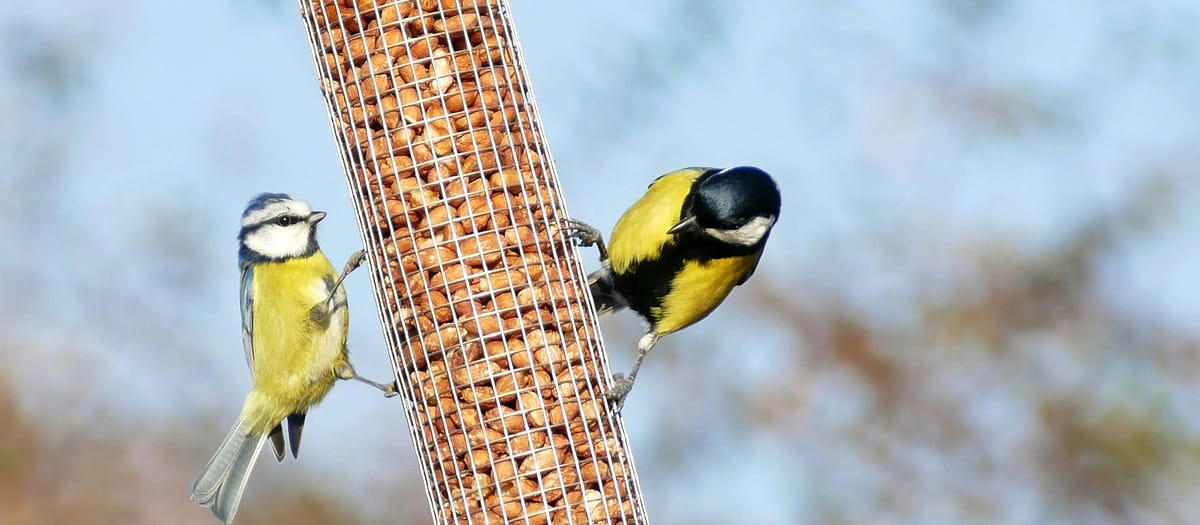
If you’ve been dreaming of attracting birds but think you don’t have the space, think again. Bird feeders for small yards and apartments have come a long way — and with the right setup, even a tiny balcony or compact patio can become a lively bird-watching paradise. You don’t need acres of land to enjoy backyard birding. You just need the right tools and a little know-how.
In this guide, we’ll walk you through the best feeder types for tight spaces, how to hang them without a big yard, what birds to expect, and how to use our free Backyard Bird Feeder Planner to customize a small-space setup that actually works.
Why Small Yards and Apartments Are Great for Bird Feeding
Many new birders assume you need a sprawling backyard with trees to attract birds. But birds don’t care about square footage — they care about food, water, and safety. A well-placed feeder on a fourth-floor balcony can attract finches, chickadees, and even woodpeckers, especially in urban and suburban areas where natural food sources are limited.
The real challenge in small spaces isn’t attracting birds — it’s choosing the right kind of feeder and mounting it properly. That’s exactly what we’re going to solve for you today.
The 4 Best Bird Feeder Types for Small Yards and Apartments
1. Deck-Mount Feeders (Best for Apartments and Balconies)
If you live in an apartment or condo, a deck-mount feeder is your best friend. These clamp directly onto your railing and take up zero floor space. Look for models with adjustable hooks so you can hang multiple feeders, suet cages, or even a small water dish.
Our top pick: the Deck Bird Feeder with Multi-Hooks and Adjustable Branches ($19.79) is perfect for balconies — it mounts onto any standard railing and includes multiple hanging points so you can offer different seed types at once. For apartments where drilling isn’t allowed, the Heavy Duty Deck Hook with Adjustable Clamp ($17.99) is a no-damage railing solution that can hold feeders up to 15 lbs.
2. Compact Tube Feeders (Best Space-to-Bird Ratio)
Tube feeders are slim, vertical, and incredibly efficient for small spaces. They hang from a single hook, hold a decent seed capacity (usually 1–3 lbs), and attract a wide range of birds including finches, chickadees, nuthatches, and sparrows. Look for tube feeders with a protective dome — it keeps the seed dry and squirrels out, which matters even more in tight spaces where you can’t spread feeders far apart.
The Squirrel Proof Hanging Bird Feeder with Locking Lid ($18.98) is a compact 15-inch tube feeder with 6 feeding ports — it’s chew-proof, weather-resistant, and hangs easily from a railing hook or balcony overhang.
3. Shepherds Hook Stations (Best for Small Ground-Level Yards)
If you have even a small patch of grass or garden space — say, a townhouse patio or narrow side yard — a shepherd’s hook feeding station is the most versatile option. Modern feeding station kits let you hang 3–5 feeders, a water dish, and seed trays all from a single pole, creating a complete bird feeding setup in a 2-foot footprint.
The Kingsyard 85-Inch Bird Feeding Station Kit ($27.99) is a great all-in-one solution for small yards. The 5-prong base keeps it stable even in soft ground, and the multiple hooks let you diversify your offering to attract more species without taking up more yard space.
4. Window Feeders (Ultimate Space-Saver)
Window-mount suction cup feeders attach directly to your glass — no hooks, no poles, no outdoor space needed at all. They’re fantastic for apartments on upper floors where railings aren’t accessible, and they offer incredibly close-up views of birds. While seed capacity is small (great for nyjer or mixed seed), the viewing experience is unmatched. Check with your building rules first, but most allow window feeders since they leave no marks.
Where to Hang a Bird Feeder in a Small Space
Placement matters as much as the feeder itself. In small yards and apartments, you’re working with limited real estate, so here’s how to maximize every inch:
- Height: Hang feeders at least 5 feet off the ground to keep them out of reach of cats and ground predators. Balcony railings usually put you in this ideal range automatically.
- Distance from walls/windows: Either place feeders within 3 feet of a window (too close for birds to build speed if they fly toward it) or more than 10 feet away. This reduces window strikes, which is especially important in apartments.
- Avoid high-traffic zones: Don’t place feeders directly over your door or main seating area — birds are messy, and seed hulls and droppings will accumulate below.
- Corner mounting: In a small balcony, mounting feeders in a corner keeps them out of your main living space while still giving birds easy access from multiple angles.
For a deeper dive on placement strategy, check out our guide on bird feeder placement and where to hang your feeder for best results.
What Birds Visit Small-Space Feeders?
You might be surprised how many species will visit a feeder on a small patio or apartment balcony. Here are the most common small-space visitors:
- House Finches and Purple Finches: Cheerful little birds that thrive in urban areas and love black oil sunflower seeds.
- Black-capped Chickadees: Bold and friendly — one of the most reliable feeder birds in any setting, even city balconies.
- American Goldfinches: Brilliant yellow birds (especially in summer) that are drawn to nyjer/thistle feeders.
- House Sparrows: Abundant in urban areas; they’ll find your feeder fast and stick around all year.
- Dark-eyed Juncos: These ground feeders will forage below your feeder for dropped seed — natural cleanup crew.
- Mourning Doves: Gentle and calm; they’ll visit platform-style feeders or pick up seed that falls to a balcony floor.
Best Seed Choices for Small-Space Feeders
In a small space, mess matters. Here’s how to choose seed that attracts birds while keeping cleanup manageable:
- Black oil sunflower seeds: The #1 all-purpose seed. Most feeder birds love it. Buy it hulled (sunflower chips) to eliminate shell debris — a game-changer for apartment balconies.
- Nyjer/thistle seed: Tiny seeds with almost no mess that attract goldfinches and siskins. Only works in specialized nyjer tube feeders.
- Safflower: Cardinals love it, squirrels generally don’t. Lower mess factor than mixed seed.
- Avoid cheap mixed seed: Mixes with milo, wheat, and filler seeds create big piles of rejected seed below the feeder. Stick to specialty seeds for a cleaner setup.
Want to know exactly which seed to use for the birds in your area? Our guide on how to set up a bird feeding station for beginners covers seed selection from scratch, including how to build your setup step by step.
Our Top Picks: Bird Feeders for Small Yards and Apartments
Here are our recommended feeders for tight spaces — chosen for compact size, ease of hanging, and bird-attracting performance:
- 🏠 Deck Bird Feeder with Multi-Hooks ($19.79) — Best for balcony railings; multiple hanging points, no installation required.
- 🔩 EED GARDEN Deck Bird Feeder Pole, 42 Inches ($24.99) — Compact pole for decks and patios; adjustable hooks, heavy-duty steel, stands on its own base.
- 🔒 Squirrel Proof Hanging Bird Feeder with Locking Lid ($18.98) — Slim 15-inch tube feeder perfect for hanging from railing hooks; 6-port design attracts multiple birds at once.
- 🪝 Heavy Duty Deck Railing Hook ($17.99) — No-damage clamp hook for apartments; holds up to 15 lbs; works with any feeder.
- 🌿 Kingsyard 85″ Bird Feeding Station Kit ($27.99) — Best for small patios with ground access; fits 3–5 feeders on one pole with a stable 5-prong base.
🛠️ Plan Your Small-Yard Feeder Setup with Our Free Tool
Not sure which combination of feeders is right for your specific space? Our free Backyard Bird Feeder Setup Planner walks you through the options based on your yard size, mounting situation (ground, deck, balcony), and the birds you want to attract.
It’s perfect for small-space birders — just select “Small Yard” or “Apartment/Balcony” and the planner will suggest the right feeder types, seed, and placement for your setup:
👉 Try the Free Feeder Planner →
Tips for Keeping a Clean, Bird-Friendly Small Space
In a compact setup, cleanliness matters more than in a big yard. Here’s how to keep things tidy:
- Use a seed tray/catcher: Hang a catch tray below your feeder to collect fallen seed and hulls. This keeps your balcony floor clean and prevents seed from falling to neighbors below.
- Clean feeders every 1–2 weeks: In tight spaces, a dirty feeder is a more concentrated problem. Rinse with a mild bleach solution and dry thoroughly before refilling.
- Buy shelled (hull-free) seed: Sunflower chips and hulled millet produce dramatically less waste — birds eat everything and leave almost no mess.
- Don’t overfill: Fill feeders to about 75% capacity. This reduces waste from birds flinging seed out while searching for favorites.
Frequently Asked Questions
Can you have a bird feeder on an apartment balcony?
Yes, in most cases! Deck-mount clamp feeders and window suction-cup feeders require no drilling or permanent installation, making them ideal for apartment balconies. Check your lease or HOA rules first, but these no-damage mounting options are usually permitted. Birds will absolutely find a balcony feeder — especially in urban and suburban areas where natural food is scarce.
What is the best bird feeder for a small yard?
For small yards, a combination of a compact shepherd’s hook feeding station (to hold multiple feeders on one pole) and a slim tube feeder gives you the most bird variety in the smallest footprint. The Kingsyard 85″ Feeding Station Kit is our top pick — it fits 3–5 feeders on a 2-foot base and works beautifully in narrow patios and side yards.
Do birds come to feeders in apartments and cities?
Absolutely. Urban birds like house finches, house sparrows, chickadees, mourning doves, and American goldfinches regularly visit apartment feeders. In fact, feeders in urban settings often attract birds quickly because natural food sources are more limited in city environments. Give it a few days after setting up — once one bird finds it, others follow.
How do I prevent seed mess on my balcony?
The best strategies are: (1) use hulled seed (sunflower chips, hulled millet) that produces no shells, (2) hang a seed catcher tray below the feeder to collect fallen seed, and (3) avoid cheap mixed seed blends that birds will sort through and scatter. These three steps alone eliminate 90% of the mess problem on apartment balconies.
What height should I hang a bird feeder on a balcony?
A standard balcony railing is typically 36–42 inches high, putting a deck-mounted feeder at roughly 4–5 feet off the ground — right in the ideal range for most feeder birds. If you can add extra height with a deck pole that extends above the railing (to 6–7 feet), you’ll reduce the risk of cats jumping up and make birds feel safer. Our bird feeder placement guide covers height recommendations in detail for every setup type.
Leave a Reply