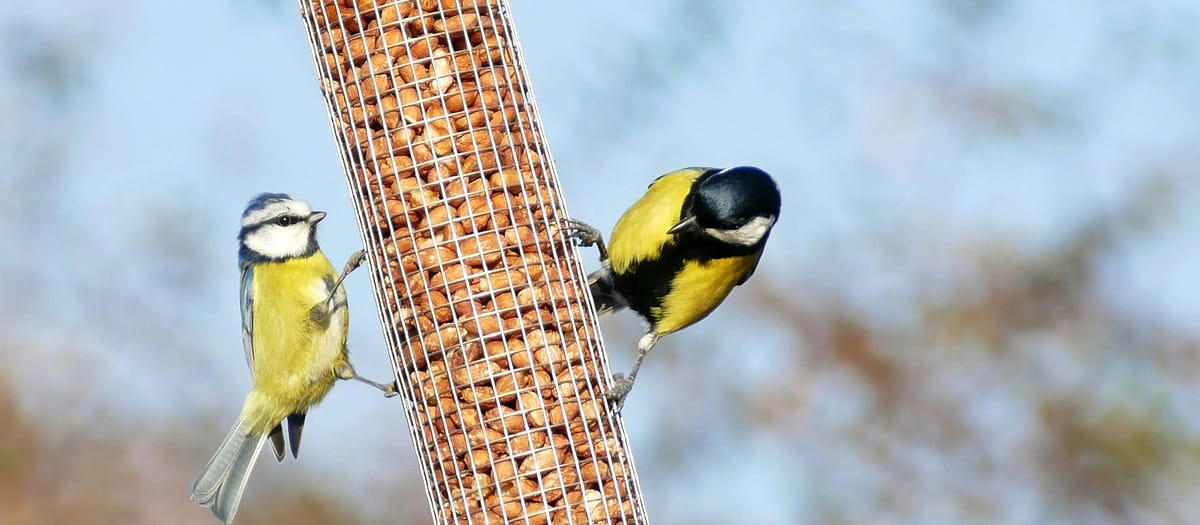
If you’ve been thinking about how to start bird watching, you’re in the right place. Backyard bird watching is one of the easiest, most rewarding hobbies you can pick up — and the best part? You don’t have to go anywhere. Your own yard, patio, or even a window box can become a thriving habitat that draws in dozens of species throughout the year. This guide walks you through everything you need to get started, step by step.
Why Backyard Bird Watching Is Perfect for Beginners
Bird watching — or “birding” as enthusiasts call it — often conjures images of people in wide-brimmed hats trekking through forests at dawn. But the truth is, some of the best birding happens right outside your back door. Backyard birding lets you:
- Learn at your own pace without traveling anywhere
- Watch the same birds repeatedly until you can identify them confidently
- Attract species you want to see with the right food and setup
- Enjoy a relaxing, screen-free activity that’s good for your mental health
Studies have consistently shown that watching birds and spending time in nature reduces stress and improves focus. Once you start, it’s hard to stop.
Step 1: Set Up Your First Bird Feeder
The single most effective thing you can do to start bird watching in your backyard is put up a bird feeder. Birds need to eat, and once they discover a reliable food source, they’ll return again and again — often bringing friends.
Choosing the Right Feeder for Beginners
For most beginners, a hopper feeder or a platform feeder is the easiest starting point. Hopper feeders hold a large amount of mixed seed and attract a wide variety of common species like Northern Cardinals, House Finches, Chickadees, Nuthatches, and Sparrows. They’re low-maintenance and easy to fill.
The Kingsyard Metal Bird Feeder ($19.99) is a great entry-level hopper — weather-resistant, chew-proof, and holds 4 lbs of mixed seed so you’re not refilling it every day. If you prefer something open and easy to clean, a platform feeder tray ($12.99) works brilliantly and is especially attractive to ground-feeding species like Mourning Doves and Dark-eyed Juncos.
Where to Place Your Feeder
Placement matters more than most beginners realize. A feeder placed poorly won’t attract many birds — and can even be dangerous. Follow these guidelines:
- Distance from windows: Place feeders either very close (within 3 feet) or far away (more than 30 feet) from windows to reduce collision risk
- Visibility: Open areas with a clear line of sight so birds can spot predators
- Nearby cover: Trees or shrubs within 10–15 feet give birds a safe perch to wait their turn
- Away from foot traffic: Minimize disturbance, especially in the first few weeks
For a deep dive on this topic, check out our guide on Bird Feeder Placement: Where to Hang Your Feeder for Best Results.
Step 2: Add a Reliable Water Source
If you want to dramatically increase the number of birds visiting your yard, add water. Birds need water for drinking and bathing year-round, and a bird bath can attract species that don’t even visit feeders — like Robins, Waxwings, and Warblers.
You don’t need anything fancy. A simple pedestal bird bath or even a shallow dish on the ground works fine. The key is keeping it clean and refreshed regularly — birds won’t use stagnant, dirty water. The Daoeny Freestanding Metal Bird Bath ($23.99) is a beautiful, durable option that fits any backyard style.
Change the water every 2–3 days, and scrub the basin weekly to prevent algae and bacteria buildup.
Step 3: Stock the Right Seed
Different birds prefer different foods. Using the right seed is one of the fastest ways to attract more species. Here’s a quick-start seed guide:
- Black-oil sunflower seeds — The #1 all-around seed. Cardinals, Chickadees, Finches, Nuthatches, Woodpeckers, and more
- Nyjer (thistle) seed — Goldfinches and Pine Siskins go crazy for this; use a tube or mesh feeder
- Mixed seed blends — Great for beginners; attracts a wide variety of species
- Safflower seed — Cardinals love it; squirrels and Starlings tend to leave it alone
- Suet cakes — Woodpeckers, Nuthatches, and Wrens; especially popular in fall and winter
To learn the full breakdown of seed types and which birds they attract, read our guide: The Difference Between Bird Seed Types Explained.
Step 4: Learn to Identify What You See
Identifying birds is part of the fun — and it gets easier fast. Start with the most common backyard visitors in your region, and use these tools:
- Field guides: The Sibley Guide to Birds or National Geographic Field Guide are classics
- Apps: Merlin Bird ID by Cornell Lab (free) is the single best birding app for beginners — it can even identify birds by sound
- Your own notes: Jot down size, colors, beak shape, behavior, and where you saw it
Focus on a handful of common species first — Northern Cardinal, American Robin, Black-capped Chickadee, Dark-eyed Junco, Downy Woodpecker, House Sparrow, and American Goldfinch are a great starting list for most of North America. Once you know your “regulars,” every new bird becomes an exciting find.
Step 5: Keep a Simple Bird Log
One of the most satisfying parts of backyard birding is keeping a life list — a record of every species you’ve seen. You don’t need a fancy system. A simple notebook works perfectly. Write down:
- Date and time
- Species (or “unknown” until you can look it up)
- How many you saw
- What they were doing
- Any notes on interesting behavior
Apps like eBird (also by Cornell Lab) let you log sightings digitally, contribute to a global citizen science database, and see what other birders are reporting near you. It’s free and genuinely addictive.
Step 6: Make Your Yard More Bird-Friendly Over Time
Once you’ve got the basics covered, there are many ways to level up your backyard habitat. Native plants provide natural food and shelter, reducing your dependence on feeders. Dense shrubs offer nesting sites. Leaving leaf litter in garden beds gives ground-feeding birds a place to scratch for insects.
For 10 practical, easy improvements you can make right now, check out: 10 Ways to Make Your Yard More Bird-Friendly.
Recommended Gear for Getting Started
You don’t need to spend much to start bird watching, but the right gear makes a real difference. Here are our top picks for beginners:
- 🌿 Kingsyard Bird Feeding Station Kit – $27.99 — An all-in-one 85-inch pole with 5-prong base; hang multiple feeders at once and keep them organized
- 🪺 Large Hanging Platform Bird Feeder Tray – $12.99 — Open platform feeders attract the widest variety of birds; easy to clean and fill
- 🌻 Squirrel-Proof Hanging Tube Feeder – $18.98 — Locking lid and adjustable hanger keep squirrels out; great for sunflower seeds and mixed blends
- 💧 Daoeny Freestanding Metal Bird Bath – $23.99 — Attract species that skip feeders entirely; durable and easy to clean
Common Beginner Mistakes (And How to Avoid Them)
Even with the best intentions, beginners often make a few mistakes that slow down their results. The good news: they’re all easy to fix once you know about them. We’ve covered the most common ones in detail here: 7 Beginner Mistakes When Feeding Backyard Birds.
A quick preview of the big ones:
- Using cheap mixed seed with too much milo (most birds ignore it)
- Placing feeders too close to the house and spooking birds
- Forgetting to clean feeders regularly — dirty feeders spread disease
- Giving up too soon — new feeders can take 1–3 weeks before birds find them
Frequently Asked Questions
Do I need binoculars to start bird watching?
Not at all — especially for backyard birding. You’ll be watching birds at close range, often from inside through a window. That said, a decent pair of binoculars (8×42 is a great all-around spec) will open up a whole new world once you’re ready to look beyond your yard. For beginners, even a budget pair in the $50–$100 range makes a big difference.
What is the best bird feeder for absolute beginners?
A hopper-style feeder filled with black-oil sunflower seeds is the single best starting point for most of North America. It attracts the widest variety of common species, holds a good amount of seed, and is easy to maintain. Platform feeders are a close second — they’re incredibly simple to fill and clean, and birds love them.
How long does it take for birds to find a new feeder?
It varies. In an established yard with existing bird activity, you might see visitors within a day or two. In a brand-new setup, it can take 1–3 weeks for birds to discover your feeder. Patience is key. Placing the feeder near existing bird activity (trees, shrubs) and using high-quality seed speeds up the process significantly.
What are the easiest backyard birds to identify?
The Northern Cardinal (brilliant red male, brown female with red accents) is probably the easiest bird in North America to identify — unmistakable once you’ve seen one. American Robins (orange-red breast), Blue Jays (bright blue and white), and American Goldfinches (vivid yellow in summer) are also beginners’ favorites. Start with these five and build from there.
Is bird watching expensive to get into?
Bird watching is one of the most affordable hobbies you can pick up. A basic feeder costs $15–$30, a bag of quality seed runs $15–$25, and the best birding apps (Merlin, eBird) are completely free. You can have a fully functioning backyard bird habitat for under $75. Most birders add gear gradually over time as their interest grows.
Leave a Reply