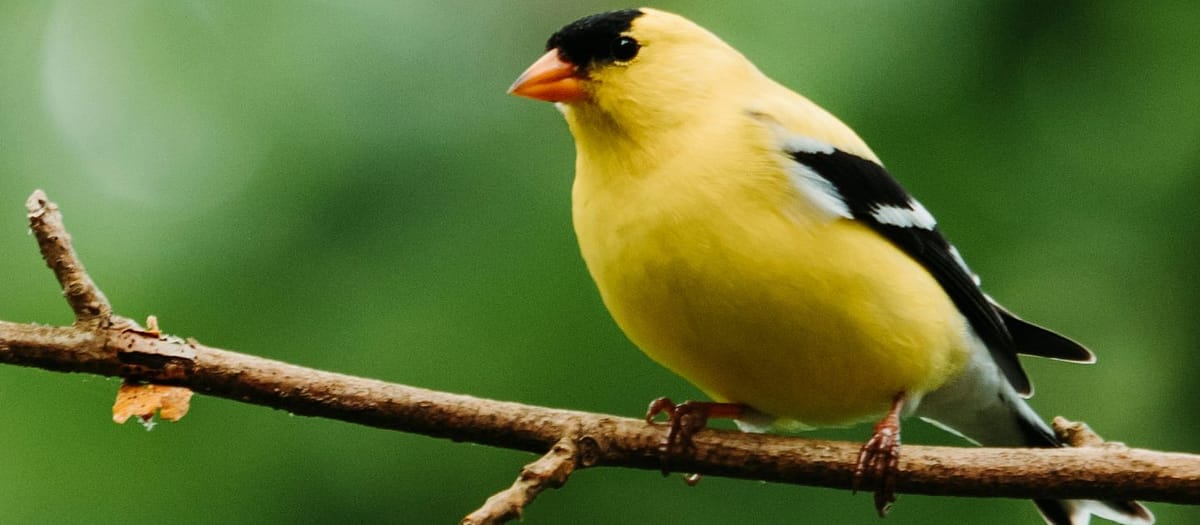
A few months ago, my backyard was just… a yard. Plain grass, a couple of bushes, and absolutely no birds worth stopping for. I’d always wanted to get into backyard birding, but the whole thing felt overwhelming. Where do you even start? Then I decided to just do it — to commit to a proper backyard bird feeding station setup and document what happened. Spoiler: the transformation was faster and more rewarding than I ever expected.
This is the full before-and-after story: what I started with, what I bought, how I set it up, and what my yard looks like now. If you’re on the fence about getting started, I hope this convinces you to take the leap.
The Before: A Yard with Zero Bird Activity
Before I set up anything, I spent a week just watching my yard. The results? One sparrow. One. In seven days of watching out my kitchen window, a single house sparrow landed in the grass, pecked around for a few seconds, and left.
The problem wasn’t that birds weren’t around — I could hear them in the trees nearby. The problem was that my yard gave them absolutely no reason to visit. No food source, no water, no structure to perch on. Birds are practical creatures. They go where the resources are. My yard had none.
I also had no clue where to put a feeder, what seed to use, or what type of feeder would actually work. If you’re in the same boat, check out the most common beginner mistakes so you can avoid them from the start.
Building My Backyard Bird Feeding Station Setup: The Plan
Before buying anything, I forced myself to make a plan. I’d read enough to know that randomly sticking a feeder in the yard rarely works. A successful backyard bird feeding station setup comes down to three decisions:
1. Location, Location, Location
Birds need to feel safe while they eat. They want to be within 10–12 feet of cover (shrubs, trees) so they can bolt if a hawk shows up — but they also don’t like feeders crammed directly into dense brush where cats can hide. I identified a spot on the edge of my yard near a small cluster of holly bushes: close enough to cover, visible from my window, and at least 30 feet from my back door to avoid spooking skittish species.
For more on choosing the right spot, this guide on bird feeder placement breaks down exactly what to consider.
2. The Right Pole Setup
I wanted to hang multiple feeders without cluttering a single hook. A dedicated feeding station pole was the answer — it lets you hang 2–3 feeders at different heights, which attracts more species. I went with the Kingsyard 85-Inch Bird Feeding Station Kit ($27.99), which has a five-prong base for stability and multiple arms for hanging feeders. Setup took about 10 minutes with no tools required.
3. Which Feeders to Start With
I kept it simple: one hopper feeder for mixed seed and one platform tray. That covers the widest variety of birds — hopper feeders attract cardinals, chickadees, nuthatches, and sparrows; platform trays work well for ground-feeding birds like mourning doves and dark-eyed juncos.
What I Actually Bought (And What It Cost)
Here’s the honest breakdown of my starter setup:
- Kingsyard Bird Feeding Station Pole, 85″ — $27.99 — The backbone of the whole setup. Sturdy five-prong base, no wobble.
- Kingsyard Metal Hopper Bird Feeder (Dual Chamber, 4 lbs) — $19.99 — Weather-resistant and chew-proof. Holds enough seed to last several days.
- Kingsyard Heavy Duty Hanging Platform Feeder — $19.99 — Recycled plastic with metal mesh tray. Easy to clean and drains after rain.
- Squirrel Baffle for Bird Feeder Pole — $15.19 — Non-negotiable. Without this, squirrels will empty your feeders in hours.
Total: ~$83 for a complete, functional station. Less than a nice dinner out — and this setup paid for itself in bird activity within the first week.
The Setup: How It Actually Went
I set everything up on a Saturday morning. The pole went in first — I pushed the five prongs into the soil, leveled it, and it was solid. The squirrel baffle clamps onto the pole below the feeder arms. Then I hung the hopper feeder on one arm and the platform tray on the other.
I filled the hopper with a premium mixed blend (black oil sunflower seeds, safflower, and a little millet) and spread some black oil sunflower seeds directly on the platform tray. I’d read that placing seed on an open tray helps birds find a new feeder faster than a closed hopper alone — turns out that’s true.
The whole setup took under 30 minutes. Then I waited.
The After: What My Yard Looks Like Now
The first birds showed up on day two. A pair of black-capped chickadees found the hopper feeder and went absolutely wild. By day four, a Northern cardinal pair was visiting the platform tray every morning like clockwork. By the end of the first week, I’d logged nine species from my kitchen window — including a white-breasted nuthatch, two dark-eyed juncos, a house finch, and my personal highlight: a downy woodpecker that clung to the side of the hopper feeder.
Now, three months in, my yard is unrecognizable. I’ve added a second platform tray and a nyjer sock for goldfinches. I fill the feeders twice a week. I’ve logged over 20 species total, and I’ve gotten genuinely emotional watching birds I used to only see in field guides just… hanging out in my yard.
The squirrel baffle, by the way, works perfectly. I watch the squirrels try and fail every single day, and I am not ashamed to say it brings me great joy.
Plan Your Own Setup with the Free Feeder Planner
Not sure which feeders are right for your yard, your space, or the birds in your region? Use the free Feeder Planner below to get a personalized recommendation based on your yard size, budget, and target species. It takes about 60 seconds and removes all the guesswork from your backyard bird feeding station setup.
🪶 Free Backyard Feeder Planner
Answer a few quick questions and get a personalized feeding station plan — free feeders, pole type, seed recommendations, and more.
My Product Recommendations for a Complete Station
These are the exact products I use or have tested personally. Every one of them is solid quality at a fair price:
- 🏠 Kingsyard Metal Hopper Bird Feeder ($19.99) — Best all-around starter feeder. Holds 4 lbs, weather-resistant, dual chamber.
- 🪵 Kingsyard Heavy Duty Platform Feeder ($19.99) — Great for ground-feeding species. Easy to clean after rain.
- 🌿 Kingsyard 85″ Bird Feeding Station Pole ($27.99) — Best value pole with multiple arms. Five-prong base stays put.
- 🐿️ Squirrel Baffle for Pole ($15.19) — Don’t skip this. Squirrels will thank you (sarcastically).
Want to see how these handle squirrels specifically? Read the full breakdown of squirrel-proof bird feeders here.
Frequently Asked Questions
How long does it take for birds to find a new backyard bird feeding station setup?
Most people see their first visitors within 2–5 days, though it can take up to two weeks in quieter areas. Placing seed on an open platform tray speeds up discovery significantly — birds spot it from above much more easily than a closed hopper. Once a few birds find it, word spreads fast (literally — birds watch each other).
How many feeders should I start with?
Start with two: one hopper-style feeder for mixed seed and one open platform tray. This combination attracts the widest variety of species without overwhelming you with maintenance. As you get more comfortable, you can add a nyjer feeder for finches or a suet cage for woodpeckers.
Where should I put my backyard bird feeding station?
Aim for a spot that’s within 10–12 feet of natural cover (shrubs, trees, or a fence), visible from a window, and away from dense brush at ground level where cats can hide. Keep feeders either very close to windows (under 3 feet) to prevent fatal collisions, or at least 10 feet away. Avoid placing them in the middle of open lawn with no nearby shelter.
Do I really need a squirrel baffle?
Yes, honestly. Squirrels are relentless and clever. Without a baffle, they’ll empty a 4-pound feeder in a single morning. A pole-mounted baffle (like this wrap-around squirrel baffle) is the most effective solution and pays for itself within days in seed savings alone.
What seed should I put out first?
Black oil sunflower seed is the single best starting choice — it attracts more species than any other seed type, including cardinals, chickadees, nuthatches, finches, and sparrows. Once you know what birds are visiting, you can expand to nyjer for goldfinches, safflower for cardinals, or suet for woodpeckers.
Leave a Reply