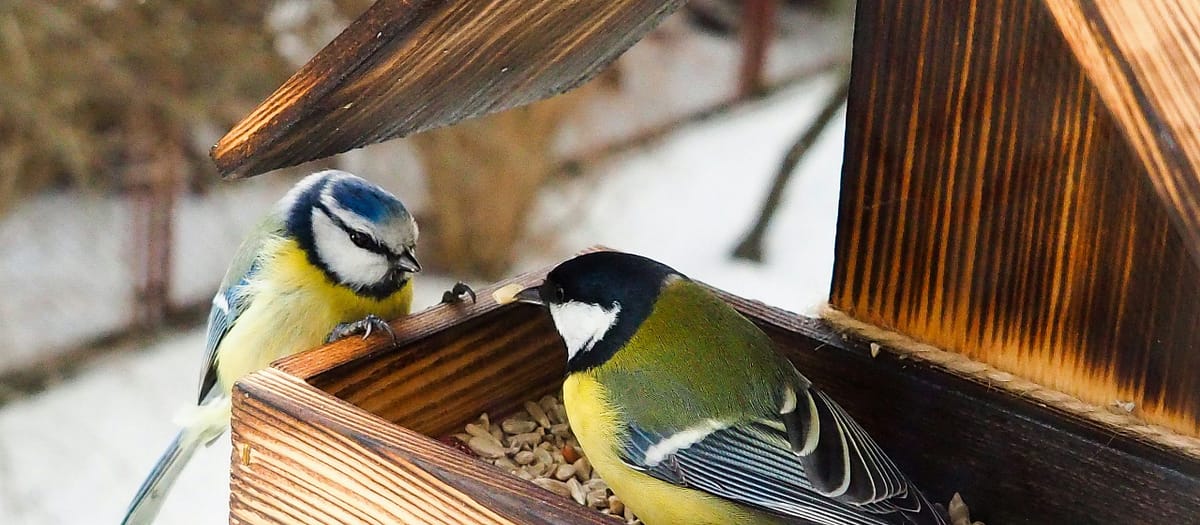
If you’re wondering what backyard birds in Tennessee visit your yard, you’re in for a treat. The Volunteer State sits at a remarkable crossroads — where the Appalachian Mountains meet the Gulf Coastal Plain — creating a rich diversity of habitats that attracts an impressive range of bird species year-round. Whether you’re in Nashville, Knoxville, Memphis, or the rolling hills in between, Tennessee’s feeders stay busy every season.
In this guide, we’ll walk through the most common birds you’ll spot in Tennessee backyards, what to feed them, and how to use our free Zip Lookup Tool to see exactly which species are active in your specific zip code right now.
🔍 See Birds in YOUR Tennessee Zip Code
Enter your zip code to get a personalized list of birds currently active in your area — updated by season.
Why Tennessee Is a Birdwatcher’s Paradise
Tennessee spans six distinct geographic regions — from the Blue Ridge Mountains in the east to the Mississippi River lowlands in the west. This variety of terrain creates diverse habitats: dense hardwood forests, open farmland, river corridors, and suburban backyards. The result? Over 400 species have been recorded in the state, with dozens showing up regularly at feeders.
The state’s position along major migratory flyways also means Tennessee sees exciting seasonal visitors in spring and fall. In October especially, your yard might host species you’ll only see for a few weeks as they pass through on their way south. For a deeper look at what to expect this time of year, check out our guide on fall bird migration and which birds pass through your yard.
Year-Round Backyard Birds in Tennessee
These species call Tennessee home all year long. Set up the right feeders and you’ll see them every single day.
1. Northern Cardinal
The Northern Cardinal is arguably Tennessee’s most beloved backyard bird. The brilliant red male is unmistakable, while the warm brown female with red highlights is just as beautiful. Cardinals love black-oil sunflower seeds and will visit both platform and hopper feeders. They tend to feed early in the morning and at dusk, so keep your feeder stocked for those windows. A quality hopper feeder like the Kingsyard Metal Bird Feeder ($19.99) is perfect for attracting them — it holds 4 lbs of seed and is fully weather-resistant.
2. Carolina Chickadee
Often mistaken for the Black-capped Chickadee (which lives further north), the Carolina Chickadee is Tennessee’s resident species. These tiny, bold birds are feeder regulars who’ll take seeds one at a time and cache them nearby. They love sunflower seeds, safflower, and peanuts. Tube feeders and small hopper feeders work best.
3. Tufted Titmouse
The Tufted Titmouse has a distinctive crest and a loud, whistling “Peter-peter-peter” call. They travel in mixed flocks with chickadees and are attracted to the same feeders and seeds.
4. Carolina Wren
One of the loudest birds relative to its size, the Carolina Wren is a non-migratory species that’s present in Tennessee throughout the year. They prefer suet, peanuts, and mealworms over seeds. A good suet setup — like the More Birds Double Suet Cake Feeder ($14.39) — will bring them in alongside woodpeckers.
5. Downy Woodpecker
The smallest woodpecker in North America, the Downy is a feeder staple across Tennessee. They cling to suet cages and are often bold enough to hang around even when you’re nearby. They also love peanut butter and mealworms. For more on attracting woodpeckers specifically, see our full guide on how to attract woodpeckers to your backyard.
6. Red-bellied Woodpecker
Despite the name, the red belly is rarely visible — it’s the bright red cap and zebra-striped back that identify this species. Red-bellied Woodpeckers are larger than Downies and can dominate a suet feeder. They also enjoy sunflower seeds and peanuts.
7. White-breasted Nuthatch
Famous for creeping down tree trunks headfirst, nuthatches love suet, peanuts, and sunflower seeds. They’ll visit both hanging feeders and pole-mounted setups.
8. American Robin
Robins don’t typically visit seed feeders but are abundant in Tennessee lawns. They forage for earthworms and love berry-producing plants like dogwood and serviceberry. Add a bird bath to keep them coming back.
9. Mourning Dove
Mourning Doves are ground feeders that prefer millet and milo, gathering under hanging feeders to pick up dropped seeds. Their soft, mournful call is one of the most familiar sounds in Tennessee neighborhoods.
10. Blue Jay
Bold, intelligent, and loud — Blue Jays are impossible to miss. They love peanuts, sunflower seeds, and corn, and they cache food for winter, so fall is when they’re especially active at feeders.
Seasonal Visitors: What to Expect in Fall and Winter
October is one of the most exciting months for Tennessee birders. Migration is in full swing, and several species arrive to spend the winter in the state.
Dark-eyed Junco (“Snowbirds”)
Juncos arrive in Tennessee around October and stay through March. These slate-gray sparrows with white belly flashes prefer millet scattered on the ground or on low platform feeders. Their arrival is a reliable sign that cold weather is coming.
White-throated Sparrow
Another October arrival, the White-throated Sparrow has a distinctive white throat patch and yellow lores. They scratch through leaf litter and prefer millet and sunflower chips on low or ground-level feeders.
Purple Finch
Often confused with House Finches, Purple Finches are slightly larger with a more deeply colored, raspberry-red head. They’re irregular winter visitors to Tennessee, appearing in larger numbers during “irruption years.” They love sunflower seeds.
Yellow-rumped Warbler
The “butter butt” — named for its bright yellow rump patch — is one of the few warblers that overwinters in Tennessee, appearing in shrubs, berry bushes, and occasionally at suet feeders.
American Goldfinch (Winter Plumage)
By October, goldfinches have molted from brilliant yellow into olive-yellow winter plumage, but they’re still present and will visit nyjer/thistle feeders all winter. Don’t let the duller colors fool you.
What to Feed Tennessee Backyard Birds
Matching the right seed to the right bird dramatically increases feeder activity. Here’s a quick breakdown for Tennessee:
- Black-oil sunflower seed: The single best choice — attracts cardinals, chickadees, titmice, finches, nuthatches, and more
- White millet: Essential for sparrows, juncos, doves, and towhees
- Nyjer/thistle: Finches love it — goldfinches, house finches, purple finches
- Suet cakes: Woodpeckers, wrens, nuthatches, and chickadees especially in winter
- Peanuts (shelled or in-shell): Jays, woodpeckers, nuthatches, titmice, and wrens
- Safflower seed: Cardinals love it, squirrels generally don’t — a great mix-in for problem yards
Recommended Feeders for Tennessee Backyards
The best feeder setup for Tennessee covers multiple seed types and attracts the widest variety of birds. Here are our top picks:
- Kingsyard Metal Bird Feeder – Hopper Style ($19.99) — Dual chamber, 4 lbs capacity, weather-resistant. Great for sunflower and mixed seed. Cardinals and jays love it.
- Kingsyard Platform Bird Feeder – Gazebo Style ($29.99) — Open tray design perfect for doves, sparrows, and ground-feeding birds. The rain-proof roof keeps seed dry.
- Kingsyard Metal Tube Feeder with Dome ($29.99) — The 11.5″ dome keeps rain and squirrels off. Great for sunflower seed and mixed blends. Removable tray catches dropped seed.
- More Birds Double Suet Cake Feeder ($14.39) — Steel construction, holds two suet cakes. Perfect for woodpeckers, wrens, and nuthatches all winter.
- Kingsyard Bird Feeding Station Kit ($27.99) — 85″ pole with 5-prong base lets you hang multiple feeders. Perfect if you want to offer sunflower, suet, and nyjer all in one spot.
Want personalized feeder recommendations based on your yard and the birds you want to attract? Use our free Zip Lookup Tool to see which species are active in your zip code right now.
Use the Free Zip Lookup Tool for Your Yard
Every yard is different — and the birds in Knoxville’s wooded suburbs look different from the species visiting a Memphis backyard on the Mississippi flyway. Our free Backyard Bird Zip Lookup Tool pulls local species data for your exact location, updated by season.
Just enter your Tennessee zip code and get:
- A list of birds currently active in your area
- Seasonal patterns (which birds are year-round vs. migratory)
- Feeder and food recommendations tailored to your local species
🦜 What Birds Are in YOUR Zip Code?
Get your free personalized Tennessee bird list — updated by season.
Tips for Attracting More Birds in Tennessee This Fall
- Add a water source: Fresh water is even more attractive than food in dry fall weather — a bird bath draws species that never visit seed feeders.
- Let native plants go to seed: Coneflowers, sunflowers, and grasses produce seeds that goldfinches, sparrows, and juncos love. Skip the fall cleanup in part of your yard.
- Go heavy on suet: Birds recovering from migration need fat-rich food fast. Suet cakes are the most efficient way to deliver it.
- Keep feeders full and clean: Fall is when birds scout for reliable winter food sources. A consistently stocked feeder will earn loyal regulars through the cold months.
Frequently Asked Questions About Backyard Birds in Tennessee
What is the most common backyard bird in Tennessee?
The Northern Cardinal is likely Tennessee’s most recognized backyard bird, followed closely by the Carolina Chickadee and Tufted Titmouse. Cardinals are present year-round and visit feeders daily, making them the species most Tennessee birders see first. To attract them, stock your feeders with black-oil sunflower seeds in a hopper or platform feeder at medium height.
What birds come to feeders in Tennessee in October?
October is a transition month in Tennessee. Year-round residents like cardinals, chickadees, titmice, woodpeckers, and wrens continue visiting feeders. In addition, fall migrants start arriving: Dark-eyed Juncos typically appear in early to mid-October, followed by White-throated Sparrows. Yellow-rumped Warblers and Purple Finches also begin showing up. Migration can bring surprise visitors too — warblers and sparrows not usually seen in the region may stop through briefly.
Do hummingbirds stay in Tennessee year-round?
No — Ruby-throated Hummingbirds leave Tennessee by early October. It’s worth keeping a feeder up through mid-October for late migrants, and rare western species like Rufous Hummingbirds occasionally linger. In winter, hummingbirds in Tennessee are extremely rare.
What’s the best bird seed for Tennessee backyard birds?
Black-oil sunflower seed is the single most effective seed for Tennessee backyards — it attracts the widest variety of species including cardinals, chickadees, finches, nuthatches, and titmice. Add white millet for sparrows and doves, nyjer/thistle for finches, and suet cakes for woodpeckers and wrens. Avoid cheap mixed seed with lots of filler (red millet, milo, wheat) — most birds will ignore it and you’ll waste money.
Are there any rare or unusual birds I might see in Tennessee?
Yes! Appalachian Tennessee is known for species like Ruffed Grouse and Black-throated Blue Warbler, while the Mississippi River corridor attracts shorebirds and waterfowl. In fall migration, almost anything is possible. Use our Zip Lookup Tool to track what’s been reported in your specific area.
Leave a Reply