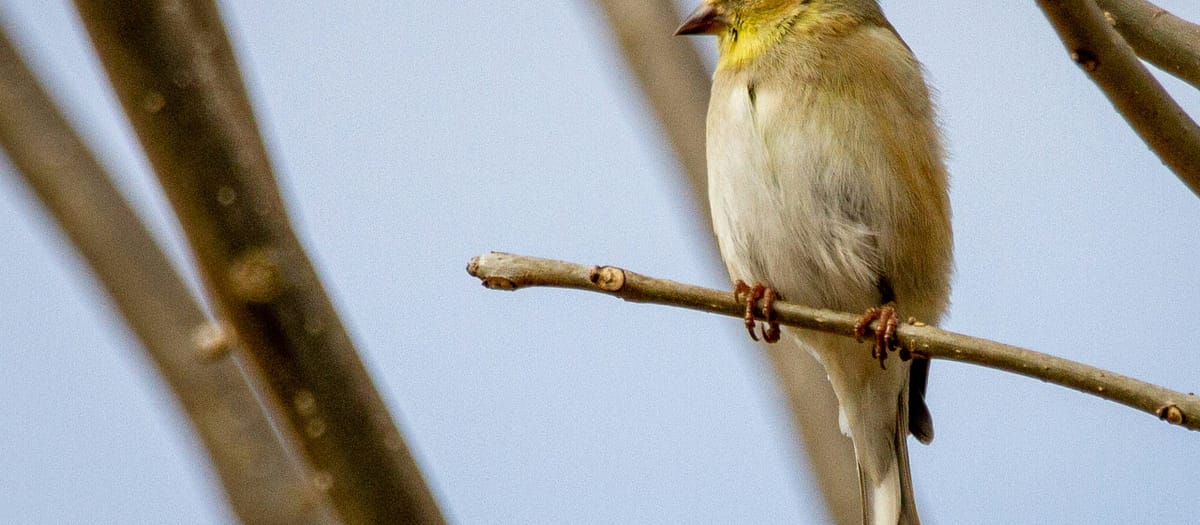
If you’ve ever spotted a woodpecker hammering away at a tree in your neighborhood and thought, how do I get one of those in my yard? — you’re not alone. Learning how to attract woodpeckers to your backyard is one of the most rewarding projects a backyard birder can take on. These striking, charismatic birds are more accessible than most people think, and with the right setup, you can have them visiting your feeders regularly.
In this guide, we’ll cover the species you’re most likely to attract, the foods and feeders they prefer, habitat tips, and a few easy tricks that make a big difference. Let’s get those woodpeckers tapping!
Why Woodpeckers Are Worth Attracting
Woodpeckers aren’t just beautiful to watch — they’re actually beneficial for your yard. They consume enormous quantities of insects, including wood-boring beetles and carpenter ants that can damage trees. Having woodpeckers around is like having a free pest control service.
There are over 20 woodpecker species found in North America, and depending on where you live, you likely have several candidates that could visit your feeders. Common backyard woodpeckers include:
- Downy Woodpecker — Smallest and most feeder-friendly; found across most of North America
- Hairy Woodpecker — Looks like a large Downy; common in wooded areas
- Red-bellied Woodpecker — A southeastern favorite with a striking red cap
- Northern Flicker — Ground feeder; attracted to ants and open lawns
- Pileated Woodpecker — The dramatic crow-sized species; needs large trees and suet
The Best Foods to Attract Woodpeckers
Food is the fastest way to attract woodpeckers, and the good news is their preferences are simple. Two offerings stand out above the rest: suet and peanuts.
Suet: The #1 Woodpecker Magnet
Suet is rendered animal fat, usually mixed with seeds, peanuts, or dried fruit. It’s calorie-dense and closely mimics the insects and grubs woodpeckers naturally seek in dead wood. During fall and winter especially, suet becomes an irresistible high-energy food source.
Buy suet cakes from any hardware or garden store, or make your own. Look for varieties that include peanut butter, nuts, or berries for extra appeal. Change out suet cakes every 1–2 weeks, or sooner in warm weather to prevent spoilage.
Peanuts and Peanut Butter
Shelled or in-shell peanuts are a fantastic supplement to suet. Woodpeckers love the high fat content. You can offer them in a mesh tube feeder, a platform tray, or even smeared into the crevices of a log hung near your yard. Peanut butter (without xylitol) can be offered the same way — spread it into bark or a hanging log.
Want to know exactly which seeds and foods will attract woodpeckers and the other birds in your area? Use our Free Bird Seed Finder Tool to get personalized recommendations in seconds.
Other Foods Woodpeckers Enjoy
- Sunflower seeds (especially black oil)
- Mealworms (dried or live)
- Corn (whole or cracked)
- Berries (dogwood, holly, elderberry)
For a deep dive on seed selection, check out our full guide: Best Bird Seed for Woodpeckers: Suet, Nuts & More.
How to Choose a Woodpecker Feeder
Woodpeckers need feeders they can cling to vertically — they’re built for it! The wrong feeder design will get ignored even if you have the right food. Here’s what actually works:
Suet Feeders
A simple wire cage suet feeder is the classic woodpecker setup, and it works incredibly well. Mount it directly to a tree trunk or hang it close to one. Woodpeckers feel most secure when a feeder is near natural wood they can retreat to.
For an easy starter option, the More Birds Double Suet Cake Feeder ($14.39) holds two suet cakes at once and is built from solid steel — simple, affordable, and proven effective. If you want something with a bit more protection from squirrels and weather, the Kingsyard Squirrel-Proof Suet Feeder ($28.99) adds a cage around the suet and has a tray to catch crumbles, keeping things tidy.
Peanut and Mesh Tube Feeders
For peanuts and mixed seeds, a metal mesh tube feeder lets woodpeckers cling and pull food through the mesh — exactly how they’d forage on bark. Avoid plastic mesh, which deteriorates and can harm birds. The Bird Feeder with Double Suet Holders ($24.99) combines a seed reservoir with suet holders — a great two-in-one setup for woodpecker-focused yards.
Platform Feeders
Northern Flickers and Red-bellied Woodpeckers will sometimes visit platform-style feeders when offered peanuts or cracked corn. Keep platform feeders low to the ground or at medium height, away from dense shrubs where predators can hide. The Kingsyard Heavy Duty Platform Feeder ($19.99) has drainage and a metal mesh floor that’s easy to clean — important for preventing mold.
Where to Place Your Woodpecker Feeders
Placement matters as much as feeder choice. Woodpeckers feel safest near trees and woody cover. Follow these placement rules:
- Hang suet feeders on or near tree trunks — within 2–3 feet of bark they can retreat to
- Height: 5–8 feet off the ground — high enough to feel safe, low enough to see from a window
- Avoid open, exposed locations — woodpeckers are shy and want escape routes
- Face feeders away from prevailing wind — keeps suet from going rancid too fast
For more guidance on optimal positioning, our Bird Feeder Placement Guide covers all the key principles with diagrams.
Habitat Tips: Making Your Yard Woodpecker-Friendly
Beyond feeders, certain yard features dramatically increase your odds of attracting woodpeckers year-round:
Leave Dead Trees Standing (When Safe)
Dead or dying trees — called “snags” — are prime woodpecker territory. They’re packed with the insects woodpeckers hunt and offer ideal nesting cavities. If you have a dead tree that isn’t a hazard to structures or people, leave it up. It may become the most visited spot in your yard.
Add a Water Source
All birds need water, and woodpeckers are no exception. A simple birdbath near your feeders gives them a place to drink and bathe. Moving water (a dripper or fountain attachment) is especially attractive to woodpeckers. Change the water every 2–3 days to keep it fresh.
Plant Native Trees and Shrubs
Native oaks, dogwoods, cherries, and elderberries provide both food and foraging opportunities. Woodpeckers will work the bark of these trees for insects year-round. Planting even one or two native species creates habitat that pays dividends for decades.
Avoid Pesticides
Pesticides kill the insects that woodpeckers need. Reducing or eliminating pesticide use creates a more natural food chain and makes your yard far more appealing to woodpeckers and other insect-eating birds.
🌱 Find the Right Seeds for Your Woodpeckers
Not sure exactly what to put out? Our Free Bird Seed Finder takes the guesswork out of feeding woodpeckers — just answer a few quick questions about your location and the birds you want to attract, and it’ll give you a tailored recommendation.
👉 Try the Free Bird Seed Finder Tool →
Our Top Woodpecker Feeder Recommendations
- 🥇 More Birds Double Suet Cake Feeder — $14.39 — Best budget pick; holds 2 cakes
- 🛡️ Kingsyard Squirrel-Proof Suet Feeder — $28.99 — Best if squirrels are a problem
- 🔀 Bird Feeder with Double Suet Holders — $24.99 — Best combo feeder (seeds + suet)
- 🧺 Kingsyard Heavy Duty Platform Feeder — $19.99 — Best for flickers and larger woodpeckers
Frequently Asked Questions
What is the best food to attract woodpeckers?
Suet is hands-down the best food for attracting woodpeckers. It mimics the fat-rich insects they naturally hunt. Peanuts and peanut butter are a close second. Offer both in feeders placed near trees for the best results. Avoid flavored or salted peanut butter — plain or natural only.
Do woodpeckers come to bird feeders?
Yes! Woodpeckers visit feeders regularly, especially suet cages and peanut feeders. Downies and Hairy Woodpeckers are the most feeder-friendly species and are found across North America. Red-bellied Woodpeckers and Flickers also visit feeders, particularly for suet and platform offerings of corn or peanuts.
When is the best time to attract woodpeckers?
Woodpeckers visit feeders year-round, but they’re especially reliable in fall and winter when natural food sources (insects, berries) are scarce. That said, summer is also a great time because parent woodpeckers bring their young to feeders — one of the most delightful backyard birding experiences you can have.
How do I stop squirrels from eating all my suet?
Use a squirrel-proof suet feeder with an outer cage or weighted perch system. Mounting the feeder directly to a tree trunk (rather than hanging it freely) also makes it harder for squirrels to access. A baffle on the mounting pole helps if you’re hanging the feeder away from trees. Check out our guide on Best Bird Seed for Woodpeckers for more tips.
Why won’t woodpeckers come to my feeder?
Common reasons include feeder placement (too exposed, not near trees), wrong food (no suet or peanuts), or lack of woody habitat nearby. Try moving your suet feeder within 5 feet of a tree trunk, switch to a high-quality suet cake, and give it 1–2 weeks for birds to discover it. Consistency is key — once woodpeckers find a reliable food source, they return daily.
Leave a Reply