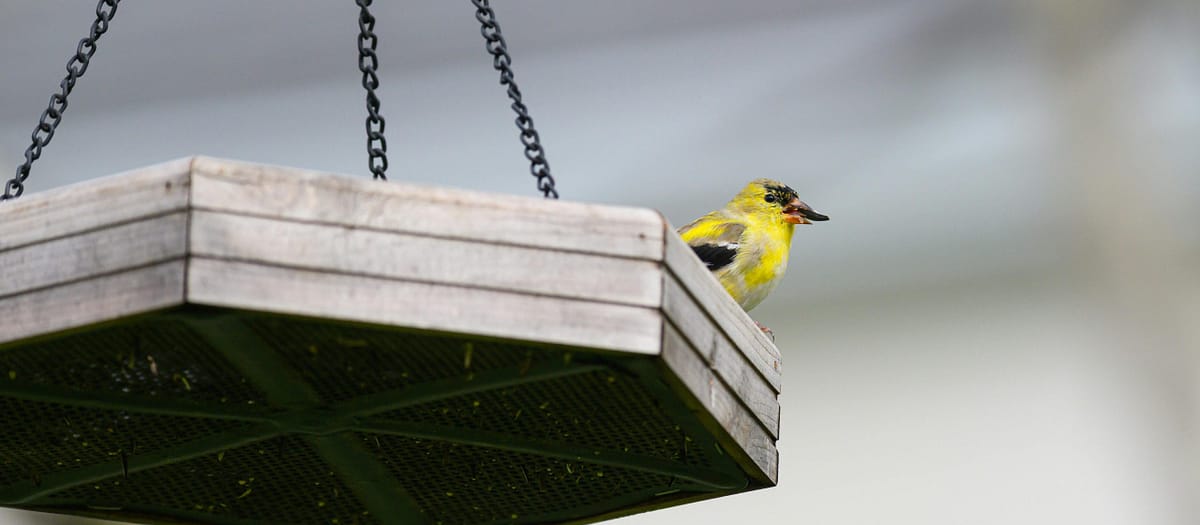
If you want to attract goldfinches to your backyard, you’re in for a treat. American Goldfinches — with their brilliant lemon-yellow plumage and cheerful, bouncing flight — are some of the most rewarding birds you can bring to your yard. The good news? They’re not hard to attract once you know what they love. Whether you’re a first-time birder or looking to upgrade your current setup, this guide covers everything you need to turn your backyard into a goldfinch haven.
Why Goldfinches Are Worth Attracting
Few birds are as visually striking as the American Goldfinch. The males in summer breeding plumage are almost neon yellow with sharp black wings — a little burst of sunshine that lands right at your feeder. Even in their more muted winter coloring, goldfinches are beautiful and lively visitors.
Beyond their good looks, goldfinches travel in flocks — meaning once you attract one or two, you may find yourself hosting a dozen or more. They’re also strict vegetarians, which makes feeding them simple, and they’re active year-round across most of the United States. If you’ve ever wanted your feeder to look like a scene from a nature documentary, goldfinches are your ticket.
The Best Seed to Attract Goldfinches
The single most effective way to attract goldfinches is to offer the right seed. Goldfinches have a strong preference for two types:
- Nyjer seed (thistle): This tiny, oil-rich black seed is goldfinch gold. It’s their absolute favorite, and a feeder stocked with nyjer will bring them in faster than almost anything else. For a deep dive on this seed, check out our guide: What Is Nyjer Seed and Which Birds Eat It?
- Black-oil sunflower seed: Goldfinches also love small sunflower seeds. The thin shells make them easy to crack open, and goldfinches will work through a tube of these happily.
- Sunflower chips (hulled sunflower): No mess, no shells, and goldfinches devour them. Great for areas where you want to keep things tidy.
For a full breakdown of which seeds work best and why, see our dedicated post: Best Bird Seed for Goldfinches (+ Free Recommendation Tool).
One of the easiest ways to get started is to hang a dedicated nyjer feeder. The Stokes Select Nyjer Bird Feeder ($13.99) is a classic choice — affordable, reliable, and specifically designed to dispense nyjer seed without letting it spill. Multiple feeding ports mean goldfinches can dine together without competing.
Choosing the Right Feeder to Attract Goldfinches
Not every bird feeder is created equal for goldfinches. Because they feed on small seeds and often cling to plant stalks in the wild, goldfinches are well-adapted to certain feeder styles:
Nyjer Tube Feeders
The classic goldfinch feeder. Nyjer tube feeders have tiny ports that prevent seed waste and allow multiple birds to feed at once. The Kingsyard Finch Feeder for Outdoors ($21.99) is a top pick — it holds 2.5 lbs of nyjer, has a metal mesh design to prevent chewing, and is built to last through seasons of use.
Mesh Sock Feeders
Nylon mesh “finch socks” are inexpensive and goldfinches love clinging to them. They’re a great option if you want to test whether goldfinches are in your area before investing in a permanent feeder. The downside is they need to be replaced periodically and can get moldy if nyjer gets wet.
Upside-Down Feeders
One clever trick: goldfinches can feed upside down (they do it naturally on plant seed heads), but most other birds can’t. An upside-down feeder is a great way to feed goldfinches exclusively while keeping House Sparrows and other competitor species away.
Not sure whether to go with a tube or platform feeder? Our comparison guide has you covered: Platform Feeders vs Tube Feeders: Which Should You Buy?
Where to Place Your Goldfinch Feeder
Location matters more than most backyard birders realize. Here’s how to set your feeder up for goldfinch success:
- Near trees or shrubs: Goldfinches like to perch nearby before approaching a feeder. A spot close to a tree line gives them the confidence to visit.
- In the open, but sheltered: They prefer feeders with some visibility around them — not hidden deep in dense foliage — but a nearby windbreak is appreciated in cold weather.
- Away from high-traffic areas: Goldfinches are less shy than some species, but they’ll avoid spots with a lot of foot traffic or noise. Give them some peace and quiet.
- Multiple feeders = more birds: Goldfinches are social and often visit in groups. Two or three feeders spaced apart will accommodate more birds and reduce crowding.
Plants That Attract Goldfinches to Your Backyard
Goldfinches are seed-eaters through and through, and planting the right flowers can make your yard irresistible even without a feeder. These are goldfinch favorites:
- Coneflowers (Echinacea): Let them go to seed at the end of summer and watch goldfinches descend. One of the best natural goldfinch attractors you can plant.
- Black-eyed Susans: Another native wildflower that produces seeds goldfinches can’t resist.
- Zinnias: Easy to grow, colorful, and the seeds attract finches in late summer and fall.
- Sunflowers: Plant a row and you’ll have goldfinches hanging off the seed heads all season. It’s like a natural tube feeder.
- Thistles: Goldfinches are famously associated with thistle — in fact, they’re sometimes called “wild canaries” or “thistle birds.” If you have any native thistle in your yard (not the invasive kind), leave it!
The strategy here is simple: the more seed-producing native plants you have, the more reasons goldfinches have to call your yard home — feeder or not.
Water: Don’t Overlook This Goldfinch Magnet
All birds need fresh water, and goldfinches are no exception. A clean birdbath with a dripper or mister will attract goldfinches even when your feeders don’t. Moving water is especially effective — the sound carries far and acts like a beacon for birds passing through your yard.
Keep your birdbath clean and change the water every 2–3 days to prevent algae and mosquitoes. A shallow depth (1–2 inches) is ideal for smaller birds like finches.
Goldfinch Seasons: What to Expect Year-Round
One of the most common questions is: when will I see goldfinches? Here’s a quick seasonal breakdown for most of the US:
- Spring (March–May): Males begin molting into their brilliant breeding plumage. Feeder activity ramps up.
- Summer (June–August): Peak activity. Males are in full color, and family groups visit feeders frequently. This is the best time to see them.
- Fall (September–November): Males molt to their duller winter plumage. You may see mixed flocks of goldfinches and other finches. Right now is a great time to stock up on nyjer seed and keep your feeders full.
- Winter (December–February): In northern states, some goldfinches migrate south; others remain. In southern states and mild climates, goldfinches are common all winter.
Our Top Goldfinch Feeder Recommendations
Ready to set up your goldfinch station? Here are our top product picks to get you started:
- Kingsyard Metal Mesh Bird Feeder with Sliding Mesh & Built-in Perch ($25.99) — A premium nyjer/thistle feeder with a clever sliding mesh design that makes it incredibly easy to fill and clean. The built-in perch lets multiple goldfinches feed comfortably at once.
- Squirrel Proof Metal Mesh Tube Bird Feeder ($33.19) — A heavier-gauge feeder that squirrels can’t chew through. Holds 3 lbs of seed and attracts finches, cardinals, and chickadees. Great if squirrels are a problem at your current setup.
- Kingsyard Bird Feeding Station Kit — 85-Inch Pole with 5-Prong Base ($27.99) — If you don’t have a good hanging spot, this feeding station kit is the solution. The sturdy 5-prong base holds firm in soil, and the pole has multiple hooks for hanging your nyjer feeder, a water dish, and more.
Frequently Asked Questions About Attracting Goldfinches
When is the best time of year to attract goldfinches?
Goldfinches visit feeders year-round in most of the US, but summer is peak season — that’s when the males are in their brilliant yellow plumage and family groups are active. Fall (like right now in September) is also a great time because goldfinches are actively feeding up for the season ahead. Keep your feeders stocked and you may be rewarded with large flocks.
How long does it take to attract goldfinches to a new feeder?
It depends on your location and whether goldfinches are already in the area. In many backyards, you’ll see your first goldfinch within a week or two of putting out a nyjer feeder. In some areas, it can take a month or more. Patience is key — once they find your feeder, they’ll return regularly and tell their flock. Make sure to refresh the nyjer seed regularly, as stale or wet seed is a common reason goldfinches skip a feeder.
Can goldfinches eat regular bird seed mixes?
Goldfinches will occasionally eat small millet seeds from a mix, but they’re picky eaters and will often ignore most mixed seed blends in favor of their preferred nyjer or sunflower. For best results, offer nyjer in a dedicated finch feeder rather than mixing it in with general seed blends. You’ll get far more goldfinch activity that way.
What’s the difference between a male and female goldfinch?
In summer, males are unmistakable: bright lemon yellow with black wings, a black cap on the forehead, and a white wing bar. Females are a softer, olive-yellow with similar wing markings but no black cap. In winter, males fade to resemble females, and both sexes take on a duller brownish-yellow tone. Young birds in their first year also appear more washed-out, so a feeder full of “dull” goldfinches in fall is perfectly normal!
How do I keep squirrels away from my goldfinch feeder?
Squirrels are rarely interested in nyjer seed — it’s just not worth the effort for them. However, they may still chew on or knock down your feeder. The best defenses are: hanging your feeder from a baffle-equipped pole, choosing a metal feeder they can’t chew through, or using an upside-down feeder design. A good feeder pole with a squirrel baffle (like the Kingsyard feeding station kit above) solves most squirrel problems permanently.
[…] give birds an easy, reliable food boost, especially in winter when natural food sources run low. A platform-style feeder set near your plantings works especially well, since it mimics natural ground feeding and can be […]