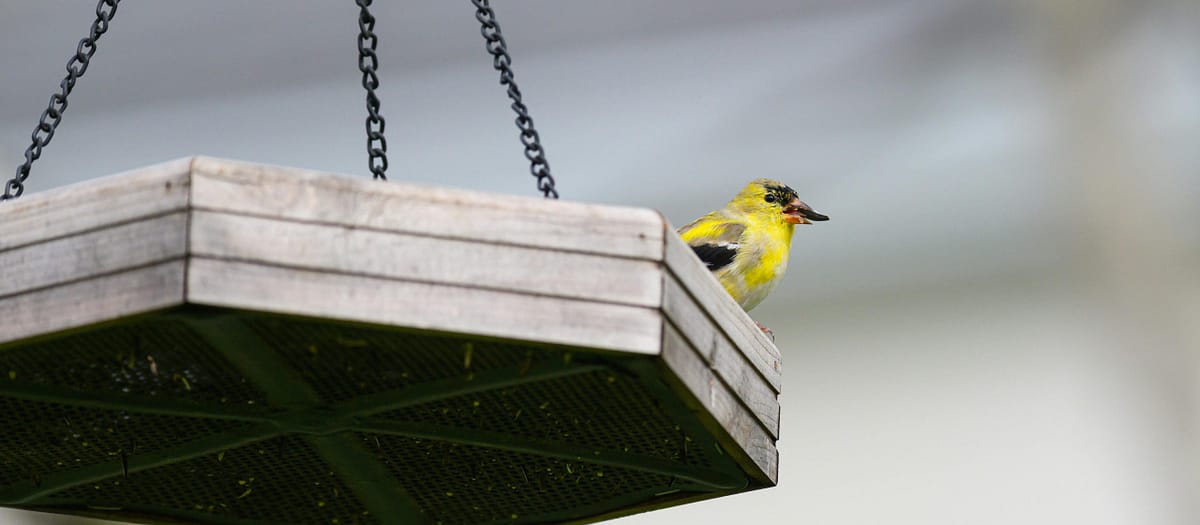
If you’ve ever noticed a bright yellow bird hovering around a slender tube feeder at a neighbor’s yard, you’ve probably seen nyjer seed for birds in action. Nyjer (sometimes called thistle seed) is one of the most effective specialty seeds you can offer in your backyard — but many beginners aren’t sure what it is, which birds actually eat it, or how to serve it properly. This guide covers everything you need to know.
What Is Nyjer Seed?
Nyjer seed (scientific name: Guizotia abyssinica) is a tiny, oil-rich black seed harvested from the African yellow daisy plant. It’s imported to the United States and sterilized with heat before sale — which prevents it from sprouting in your yard. That’s why you’ll sometimes see it called “thistle seed” even though it has no relation to the common thistle weed.
The seed is slim, needle-like, and extremely small — about the size of a sesame seed. Its high fat and protein content makes it an excellent energy source, especially during migration and the colder months when birds need extra calories. It’s also relatively low in waste: the birds that eat nyjer consume it almost entirely, leaving little debris on the ground below your feeder.
Which Birds Eat Nyjer Seed for Birds?
Nyjer is a specialist seed — it attracts a specific group of small, acrobatic finches rather than every bird in your yard. Here are the most common visitors you’ll see:
American Goldfinch
The American Goldfinch is the star of nyjer feeding. These bright yellow birds (males especially in summer) absolutely love nyjer and will visit dedicated finch feeders in flocks. If you want to attract goldfinches to your feeder, a nyjer feeder is the single most effective tool at your disposal. Goldfinches are also well-known for clinging upside-down to feeders — a fun behavior to watch from your window.
Pine Siskin
Pine Siskins are streaky brown finches with subtle yellow wing markings. They’re irruptive migrants — they move south in large numbers during years when northern food sources are scarce. When Pine Siskins arrive, they flock to nyjer feeders in impressive numbers and can be surprisingly bold and noisy.
Common Redpoll and Hoary Redpoll
In winter, redpolls descend from the boreal forests of Canada into northern U.S. states, and they eagerly visit nyjer feeders. If you’re in the northern tier of the country, keeping a nyjer feeder stocked in January and February can result in spectacular winter finch sightings.
House Finch and Purple Finch
Both House Finches and Purple Finches — with their rosy-red heads and breasts — will visit nyjer feeders, though they’re less exclusive to nyjer than goldfinches and siskins. They’ll often share a feeder with goldfinches peacefully.
Indigo Bunting (Occasional)
During spring and fall migration, the dazzling blue Indigo Bunting sometimes drops by nyjer feeders. These are bonus sightings — not reliable, but thrilling when they happen.
Why Nyjer Seed Is Different from Other Bird Seeds
If you’ve been exploring the difference between bird seed types, you’ll notice that nyjer sits in its own category. Here’s what sets it apart:
- Size matters: Nyjer is much smaller than sunflower seeds or safflower. Most birds can’t eat it at all — their beaks are too large to extract the seed. This “natural filter” means you get a targeted group of songbirds at your nyjer feeder rather than a mixed crowd.
- Specially designed feeders: Because nyjer seeds are so tiny, they’ll fall right through standard feeder ports. You need a dedicated nyjer or finch feeder with very small ports or a fine mesh screen.
- No sprouting, no mess: The sterilization process means nyjer won’t germinate beneath your feeder. That’s a major advantage for keeping your yard clean and your lawn happy.
- Short shelf life: Nyjer seed goes stale faster than other seeds. Finches are excellent judges of quality and will abandon a feeder with old seed. Buy smaller bags and refresh frequently, especially in summer heat.
What Feeders Do You Need for Nyjer Seed?
You can’t just dump nyjer into any old feeder and expect it to work. The right feeder makes all the difference. There are two main styles:
Mesh Tube Feeders
Fine metal mesh feeders are ideal for nyjer. The mesh allows finches to cling anywhere on the feeder and pull out seeds through the tiny openings. They’re durable, easy to clean, and naturally squirrel-resistant because the ports are too small for larger animals. The Kingsyard Metal Mesh Tube Finch Feeder ($21.99) is a popular and well-reviewed option that holds 2.5 lbs of nyjer seed.
Traditional Tube Feeders with Fine Ports
These look like standard tube feeders but feature much smaller ports sized specifically for nyjer seed. Goldfinches and siskins perch on the pegs and extract seeds one at a time. Look for feeders that are easy to disassemble for cleaning — nyjer can clump and mold if moisture gets inside. The Stokes Select Nyjer Bird Feeder ($13.99) is a budget-friendly entry point that works well for small backyards.
How to Use Nyjer Seed Effectively
Getting the most out of your nyjer feeder is about more than just filling it up. Here are the key practices that will bring in the most birds:
- Hang it near cover. Finches feel more secure near shrubs or trees they can dart to when startled. Place your nyjer feeder within 10–15 feet of cover, but in an open enough spot that birds can see approaching predators.
- Use fresh seed. Nyjer goes stale in 4–6 weeks, especially in warm weather. If birds are ignoring a full feeder, the seed is probably the problem. Empty it out, rinse with warm water, let it dry completely, and refill with fresh seed.
- Be patient in the beginning. Goldfinches and finches need time to discover a new feeder. It can take 2–4 weeks in a new location. Keep the feeder stocked and wait — once they find it, they’ll return reliably.
- Clean regularly. Rinse your nyjer feeder every 2–4 weeks and inspect the ports for mold or clumping. A clean feeder is a healthy feeder.
- Consider multiple feeders. If goldfinches are flocking to your yard, a single feeder can create competition. Adding a second feeder a few feet away dramatically reduces squabbling and lets more birds feed at once.
You can also check out our guide on the best bird seed for goldfinches for a deeper dive into everything these beautiful birds need to thrive in your yard year-round.
Find the Right Seed for Your Backyard Birds — Free Tool
Not sure if nyjer is the right seed for the birds visiting your specific yard? Our free Bird Seed Finder tool makes it easy. Just tell it which birds you’re trying to attract, and it recommends the best seed types — including whether nyjer belongs in your feeder mix.
👉 Try the Free Bird Seed Finder →
Our Top Nyjer Feeder Recommendations
Here are the best nyjer feeders we recommend for different backyard setups:
- 🥇 Kingsyard Metal Mesh Finch Feeder with Built-in Perch ($25.99) — Best overall. Sliding mesh design, easy fill, and a built-in perch that makes it accessible for a wider range of finch species.
- 💰 Stokes Select Nyjer Feeder ($13.99) — Best budget pick. Simple, effective, and easy to find at most stores. Great starting point for beginners.
- 🏆 Gtongoko Large Capacity Mesh Tube Feeder ($59.99) — Best for attracting large flocks. Holds 6.5 lbs of nyjer seed and features a wide mesh surface so a dozen birds can feed simultaneously.
Frequently Asked Questions About Nyjer Seed for Birds
Is nyjer seed the same as thistle seed?
They’re often used interchangeably, but technically no — nyjer (Guizotia abyssinica) is not a true thistle. It’s an African plant in the daisy family. Seed companies and birders started calling it “thistle” because finches that love true thistle plants also love nyjer seed. The term “nyjer” was adopted by the Wild Bird Feeding Industry in the 1990s to distinguish it from the invasive thistle weed.
Why are birds not eating my nyjer seed?
The most common reasons are stale seed, a new feeder location the birds haven’t discovered yet, or the wrong feeder type. Try emptying and refreshing the seed first. If the feeder is new, give it 2–4 weeks. Also make sure you’re using a true nyjer/finch feeder with appropriately small ports — standard tube feeder ports are often too large for nyjer and let the seed fall through or scatter.
Does nyjer seed attract squirrels?
Not typically. Squirrels generally don’t find nyjer appealing — they prefer high-fat seeds like sunflower and peanuts. However, squirrels might still chew on plastic feeders out of habit. Stick with metal mesh nyjer feeders to deter any opportunistic chewing.
How long does nyjer seed stay fresh?
Nyjer seed is oily and goes rancid faster than most seeds, typically within 4–6 weeks once the bag is opened. Store unused seed in a sealed container in a cool, dry place. In summer, buy smaller quantities so you’re always offering fresh seed. If birds suddenly stop visiting a full feeder, staleness is the first thing to check.
Can I mix nyjer seed with other seeds?
You can, but it’s not recommended. Mixing nyjer with other seeds makes it harder to keep fresh (different seeds have different shelf lives), and the variety of seeds often requires a feeder with ports that are too large for nyjer — causing it to spill. The better approach is to dedicate a separate nyjer feeder for your finches and use a different feeder for mixed seed or sunflower. Your birds will quickly learn which feeder is which.
[…] Nyjer seed (thistle): This tiny, oil-rich black seed is goldfinch gold. It’s their absolute favorite, and a feeder stocked with nyjer will bring them in faster than almost anything else. For a deep dive on this seed, check out our guide: What Is Nyjer Seed and Which Birds Eat It? […]