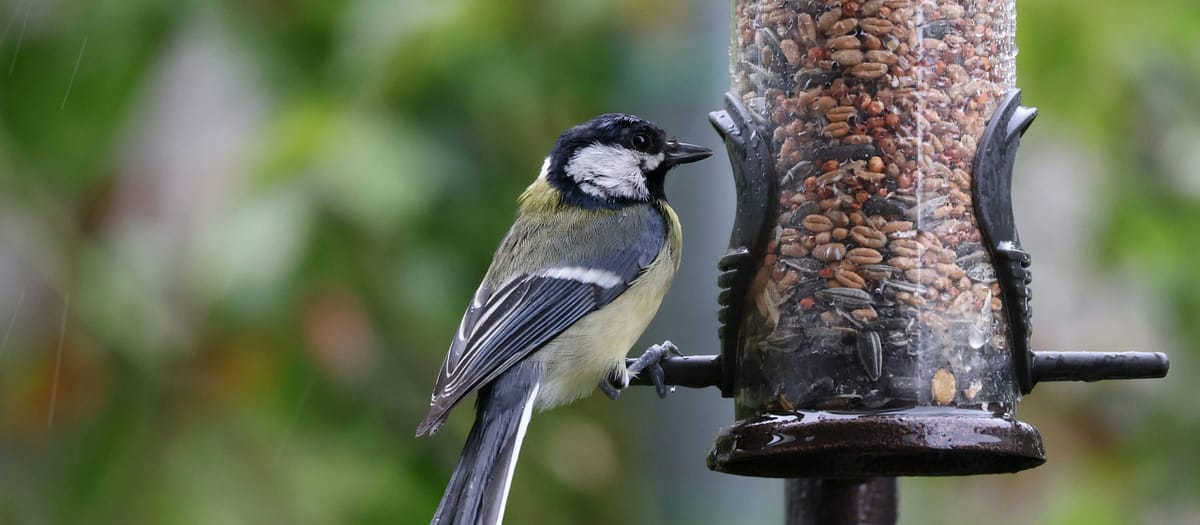
Attracting hummingbirds is one of the most exciting aspects of backyard bird watching. But finding the best hummingbird feeders can be overwhelming with so many options available. This comprehensive guide reviews top hummingbird feeders, compares feeder types, and helps you choose the best hummingbird feeders for your yard. Whether you’re a beginning hummingbird enthusiast or an experienced birder, we’ll show you exactly which best hummingbird feeders perform reliably year after year.
Why Hummingbird Feeders Matter
Best hummingbird feeders are essential for attracting these remarkable birds. Hummingbirds need to eat every 10-15 minutes and visit 1000+ flowers daily just to survive. Quality best hummingbird feeders provide the easy-access nectar they need while supporting their incredible metabolism. A good hummingbird feeder can be the difference between attracting hummingbirds to your yard or missing them entirely.
Types of Best Hummingbird Feeders
Hanging Hummingbird Feeders (Traditional)
Hanging hummingbird feeders are the classic choice and remain popular for good reason. The best hummingbird feeders in this category feature:
- Large capacity (16-32 oz) for less frequent refilling
- Multiple feeding ports (4-8 or more)
- Bright red coloring to attract hummingbirds
- Easy-clean design for weekly maintenance
- Durable construction with replaceable parts
Best for: Attracting multiple hummingbirds, yard visibility, easy refilling
Window-Mount Hummingbird Feeders
Window-mounted best hummingbird feeders bring hummingbirds up close to your home. Top models include:
- Suction cups for secure mounting on windows
- Small to medium capacity (8-16 oz)
- Clear construction to watch hummingbirds closely
- Easy viewing from indoors
- Protected from weather and predators
Best for: Close observation, photography, apartment dwellers, protection from elements
Tube Hummingbird Feeders
Tube-style best hummingbird feeders are compact and efficient. Quality models feature:
- Tall, narrow design that deters insects
- Small ports to prevent bees from accessing nectar
- Easy-to-clean tubes
- Lightweight and affordable
- Good for placement among flowers
Best for: Reducing bee and wasp problems, budget-conscious feeders, natural garden integration
Saucer Hummingbird Feeders
Saucer-style best hummingbird feeders have become increasingly popular. Modern models offer:
- Unique shallow saucer design
- Less attractive to bees and wasps than traditional feeders
- Easier hummingbird access with wider feeding ports
- Clean aesthetic appearance
- Good capacity (8-16 oz)
Best for: Reducing insect problems while keeping hummingbirds happy
Best Hummingbird Feeders: Product Reviews
Best Overall: Premium Hanging Hummingbird Feeder
This top-rated hummingbird feeder consistently receives 4.8/5 stars. Features include:
- 32 oz capacity (holds more nectar than competitors)
- 8 feeding ports with ant moats
- Wide, easy-clean design
- Durable plastic construction
- Includes hanging hook and cleaning brush
- Bright red with attractive yellow flowers
Ideal for: Large yards, multiple hummingbirds, less frequent refilling
Best Budget Option: Squirrel-Proof Tube Feeder (Hummingbird Conversion)
This dual-purpose feeder works excellently for both hummingbirds and small birds. Benefits include:
- Affordable price point ($15-25)
- Versatile use for multiple bird species
- Durable, long-lasting construction
- Easy to clean and maintain
- Squirrels can’t access (bonus!)
Ideal for: Budget-conscious birders, small spaces, combination feeding
Best Window Mount: Window-Mounted Hummingbird Feeder with Suction Cups
This specialized best hummingbird feeder brings birds inches from your face. Features:
- Crystal-clear construction for close observation
- Extra-strong suction cups (hold even with vibrations)
- 16 oz capacity
- Easy-twist base for cleaning
- Bright red design
- Weather-resistant materials
Ideal for: Photography, close observation, indoor viewing, apartments
Best for Reducing Insects: Saucer-Style Best Hummingbird Feeder
If bees and wasps are a problem, this best hummingbird feeder design is ideal:
- Shallow saucer design keeps insects away
- Large feeding ports make hummingbird access easy
- Wasps have difficulty navigating the design
- 12 oz capacity (adequate for most yards)
- Modern, attractive appearance
- Easy to clean (just 3 pieces)
Ideal for: Yards with bee/wasp problems, aesthetic-conscious birders, minimalist designs
How to Choose the Best Hummingbird Feeders for Your Yard
Step 1: Determine Your Primary Goal
- Maximum hummingbirds: Large hanging feeder (32+ oz)
- Close observation: Window-mounted feeder
- Budget-conscious: Tube feeder ($15-30)
- Insect control: Saucer-style feeder
- Combination use: Multiple feeder types
Step 2: Consider Your Climate
- Hot climates: Use larger feeders that can be shaded; refill every 2-3 days
- Cool climates: Standard feeders work well; refill weekly
- Hummingbird migration areas: Add multiple feeders during peak migration
Step 3: Plan for Placement
- Hanging feeders: 5-6 feet high, near flowers, in partial shade
- Window feeders: Large windows with good light
- Tube feeders: Integrated into flower gardens
Step 4: Calculate Capacity Needs
- 1-2 hummingbirds: 8-16 oz feeder
- 3-5 hummingbirds: 24-32 oz feeder
- 6+ hummingbirds: Multiple feeders of 32 oz each
Best Practices for Best Hummingbird Feeders
Cleaning Your Best Hummingbird Feeders
Proper maintenance of your best hummingbird feeders is essential:
- Clean every 2-3 days in hot weather
- Clean weekly in cool weather
- Use hot water with a cleaning brush (no soap needed)
- Never use bleach on best hummingbird feeders
- Ensure all parts are dry before refilling
Making Hummingbird Nectar
Quality best hummingbird feeders need quality nectar. Use this simple recipe:
- 1 part white granulated sugar
- 4 parts water (filtered or boiled)
- Mix well, cool completely, fill feeders
- Store extra in refrigerator (up to 2 weeks)
Never use: Honey, artificial sweeteners, red dye, or brown sugar
Feeder Placement Tips
- Position near flowering plants (natural feeding habitat)
- Mount 5-6 feet high
- Keep 10-15 feet from trees (predator protection)
- Place in morning sun, afternoon shade
- Space multiple feeders 10+ feet apart to reduce aggression
FAQ: Best Hummingbird Feeders
Q: What’s the best hummingbird feeder to prevent ants and spiders?
A: Feeders with built-in ant moats work best. The moat fills with water that ants cannot cross. Position your best hummingbird feeder away from vegetation that might provide ant bridges.
Q: How often should I change nectar in my best hummingbird feeders?
A: Every 2-3 days in hot weather (above 75°F) or weekly in cooler weather. Old nectar grows mold and bacteria.
Q: Can I use store-bought hummingbird nectar in my best hummingbird feeders?
A: Yes, but homemade nectar is cheaper and just as effective. All-natural, dye-free options are best if purchasing pre-made.
Q: Are the best hummingbird feeders with perches better than without?
A: Hummingbirds prefer perches for resting between feeding bouts. However, some aggressive hummingbirds monopolize perched feeders. Both types work.
Q: Should I move my best hummingbird feeders during migration?
A: No, leave them out year-round. Keep refilling through fall to support migrating hummingbirds; they’ll know when to depart based on day length.
Complete Hummingbird Feeding Setup
For maximum success, combine best hummingbird feeders with other hummingbird attractions:
- 1-2 hanging best hummingbird feeders (primary feeding)
- 1 window-mounted feeder (observation)
- Native flowering plants (natural food)
- Water source or misting area (bathing)
- Regular nectar changes (maintenance)
This complete approach will have hummingbirds visiting consistently throughout the season. For personalized recommendations based on your region, use our Bird Identification Guide to learn which hummingbird species migrate through your area.
Your Next Step
Choose your best hummingbird feeders based on your specific needs, set them up properly, and maintain them consistently. Within days, you’ll see these remarkable birds visiting your yard. The joy of watching hummingbirds is unmatched – their speed, agility, and personality are absolutely captivating.
Start with the best hummingbird feeders today, and join thousands of backyards discovering the magic of hummingbird watching.
Check out our complete hummingbird attraction guide for tips beyond just feeders.
FAQ: Hummingbird Feeders
Q1: What’s the best nectar recipe?
A: 1 part white sugar to 4 parts water. Boil water, dissolve sugar, cool completely. Never use honey, artificial sweeteners, or red dye. Hummingbirds need the simplest formula.
Q2: How often should I change nectar?
A: Every 3-5 days in cool weather, every 2 days in warm weather. Fermented nectar kills hummingbirds. Clean feeders thoroughly with hot water (no soap) between fills.
Q3: Do hummingbirds migrate?
A: Yes. Most hummingbirds migrate seasonally. Leave feeders up through early fall to support migrants passing through. Fall migrants need fuel for their journey south.
Q4: How many feeders do I need?
A: One feeder works, but multiple feeders reduce territorial fights. If you see one male guarding a feeder and chasing others away, add 2-3 more feeders in different locations.
Q5: Can I use ant guards?
A: Yes, ant guards prevent ants from accessing nectar (they’re toxic to hummingbirds). Bee guards are optional—they sometimes prevent hummingbirds from accessing the feeder too.
Pair quality feeders with additional feeders in different locations to reduce territorial disputes and increase hummingbird visits.
Leave a Reply