Minnesota is one of the most rewarding states for backyard birding — and if you’ve ever wondered what backyard birds in Minnesota visit yards like yours, you’re in the right place. From the cheery Black-capped Chickadee that braves subzero mornings to rare winter finches that drift south from Canada, the Land of 10,000 Lakes offers an incredible cast of feathered visitors throughout every season. In this guide, you’ll find out exactly which species to expect, what to feed them, and how to make your yard a Minnesota bird magnet year-round.
Year-Round Backyard Birds in Minnesota
Several species call Minnesota home no matter the season. These are the reliable visitors you’ll see at your feeder in January just as often as July.
Black-capped Chickadee
The unofficial mascot of Minnesota feeders, the Black-capped Chickadee is fearless, friendly, and fiercely cold-hardy. They’ll visit sunflower seed and suet feeders all winter long, often one at a time, grabbing a seed and dashing off to cache it nearby. If you offer a quality hopper or tube feeder, chickadees will be your most dependable customers.
White-breasted Nuthatch
Watch for this bird creeping headfirst down tree trunks — that’s the White-breasted Nuthatch, a year-round Minnesota resident. They love black-oil sunflower seeds and suet, and they have a habit of wedging seeds into bark crevices for later. Their nasal “yank-yank” call is unmistakable once you learn it.
Downy and Hairy Woodpeckers
Both species stay put all winter. The smaller Downy is far more common at feeders, while the crow-sized Hairy tends to hang back more. Both will visit suet feeders eagerly. A quality suet feeder is one of the best investments you can make for Minnesota woodpeckers. The More Birds Double Suet Cake Feeder ($14.39) is a simple, affordable option that handles two suet cakes at once — perfect for hungry woodpeckers through a Minnesota winter.
Blue Jay
Bold, loud, and stunning — Blue Jays are year-round Minnesota residents that command attention at any feeder. They love peanuts, sunflower seeds, and whole corn. They also scatter noisily when a hawk approaches, inadvertently warning every other bird in your yard.
Northern Cardinal
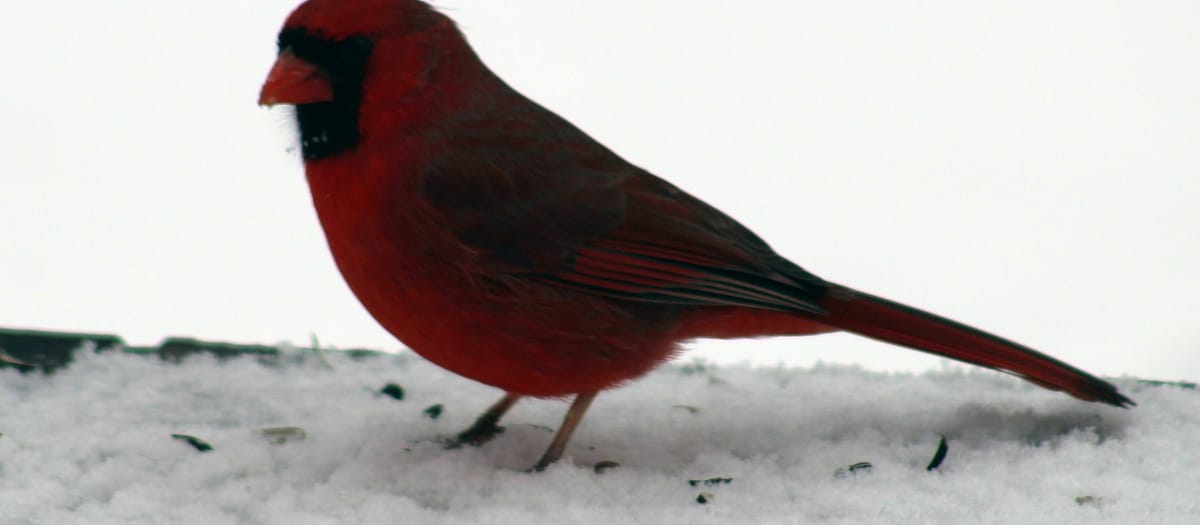
Male cardinals are a brilliant red contrast against a fresh Minnesota snowfall. Both males and females visit regularly, preferring hopper feeders and platform feeders stocked with black-oil sunflower seeds or safflower. A weather-resistant hopper feeder ($19.99) with a generous tray gives cardinals the stable perching platform they prefer.
American Goldfinch
Though their bright yellow summer plumage fades to olive-green in winter, American Goldfinches stay in Minnesota year-round. They flock to nyjer (thistle) feeders in both seasons. In winter, you may also start seeing their rarer cousins — more on that below.
Winter Birds in Minnesota: The Special Visitors
This is where Minnesota birding gets really exciting. Cold winters bring irruptive species south from the boreal forests of Canada. These aren’t guaranteed every year — they come in waves based on food availability up north — but when they arrive, it’s spectacular.
Common Redpoll
These tiny, rosy-capped finches descend on Minnesota feeders in flocks during irruption years. They’re acrobatic at nyjer feeders and will even pick seeds off the snow. If you see small brownish finches with red caps clustering around your thistle feeder, you’ve got redpolls. A Kingsyard Finch Feeder for Nyjer ($21.99) is ideal for attracting both redpolls and Pine Siskins.
Pine Siskin
Streaky brown and subtle, Pine Siskins are easy to overlook — until they arrive by the dozens. They’re goldfinch relatives that winter irregularly in Minnesota, especially during irruption years. Nyjer feeders draw them in reliably.
Evening Grosbeak
A large, stocky finch with a massive bill, the Evening Grosbeak was once a winter staple at Minnesota feeders but is now seen less regularly. If one shows up, expect a crowd — they travel in flocks and can clean out a sunflower feeder fast.
Dark-eyed Junco
Called “snowbirds” by generations of Minnesotans, Dark-eyed Juncos arrive from the north in October and stay through April. They prefer to forage on the ground beneath feeders, picking up spilled millet and sunflower chips. Scatter seed on a platform tray or directly on the snow to attract them easily.
Snowy Owl and Great Horned Owl
Minnesota is excellent owl country. Great Horned Owls nest year-round and can sometimes be spotted in suburban trees at dusk. Snowy Owls are irruptive winter visitors — some years they arrive in good numbers from the Arctic tundra, hunting open fields and perching on fence posts. They don’t visit feeders, but knowing they’re in the area is a thrill for any birder.
Summer Backyard Birds in Minnesota
Warm months bring a wave of colorful neotropical migrants that nest in Minnesota before heading south.
Ruby-throated Hummingbird
Minnesota’s only regularly occurring hummingbird arrives in May and departs by September. Hang nectar feeders by late April, and plant native flowers like bee balm and cardinal flower to draw them in. They disappear with the first frosts, so enjoy them while they’re around.
Baltimore Oriole
Few backyard birds are more jaw-dropping than a male Baltimore Oriole in full orange-and-black plumage. They arrive in May and love orange halves, grape jelly, and oriole nectar feeders. Plant fruit trees and native shrubs to keep them coming back.
Rose-breasted Grosbeak
The male’s rose-red chest patch against black-and-white plumage is unforgettable. Rose-breasted Grosbeaks pass through during migration and nest across much of Minnesota. Sunflower seeds are irresistible to them.
Indigo Bunting
Arguably the most intensely blue bird in North America, Indigo Buntings visit Minnesota feeders during migration and nest in brushy edge habitats. Offer millet and white proso to attract them during spring and fall passage.
What to Feed Minnesota Backyard Birds
The right food choices make an enormous difference in which species you attract — especially during Minnesota’s demanding winters.
- Black-oil sunflower seeds: The single best all-purpose seed. Cardinals, chickadees, nuthatches, grosbeaks, and many others love it.
- Nyjer (thistle) seed: Essential for goldfinches, redpolls, and Pine Siskins. Requires a specialized feeder with small ports.
- Suet cakes: High-fat fuel for woodpeckers, chickadees, and nuthatches through cold winters. Offer year-round in Minnesota.
- Safflower seed: Cardinals love it, squirrels typically ignore it — a useful combination.
- White millet: Ground-foraging birds like juncos, sparrows, and doves prefer millet scattered on a tray or the ground.
For a complete feeding setup, a sturdy multi-hook pole system like the Kingsyard 85-Inch Bird Feeding Station Kit ($27.99) lets you hang multiple feeder types — suet, tube, and platform — giving you the best chance of attracting Minnesota’s diverse species. Running multiple feeders in winter is especially valuable because species like redpolls and chickadees form mixed flocks that will work through every feeder type you offer.
Minnesota winters are hard on feeders too. If you’re seeing a lot of squirrel activity, check out our tips on keeping squirrels away from bird feeders — the techniques work year-round but are especially helpful when food-scarce squirrels get aggressive in January.
Minnesota Bird Migration: What to Watch For
Minnesota sits in the heart of the Mississippi Flyway, one of North America’s major migratory corridors. Spring and fall migration bring an astounding diversity of warblers, sparrows, thrushes, and shorebirds moving through. Even backyard feeders in suburban Minneapolis can attract Fox Sparrows, White-throated Sparrows, and passing warblers during peak migration weeks in May and September.
If you want to learn which birds typically pass through your specific zip code during migration season, our fall bird migration guide breaks down what to expect and when. You can also compare your species list with a neighboring state — Michigan backyard birds share many of the same winter finches and woodpeckers that Minnesota birders love.
🔍 Find Birds in Your Specific Zip Code
Minnesota is a big state, and the birds in the Twin Cities metro are different from those in the Boundary Waters or the southwestern prairies. The best way to know exactly which species visit your area is to check your local zip code.
🐦 What Birds Are Near You?
Use our free Zip Code Bird Lookup Tool to see which species have been reported near your Minnesota zip code — including seasonal visitors, rare sightings, and the most commonly spotted backyard birds in your area.
Recommended Feeders for Minnesota Winters
Given Minnesota’s harsh winters, feeder quality really matters. Here are solid, weather-tested options for the most important feeder types:
- 🌻 Hopper/Mixed Seed: Kingsyard Metal Bird Feeder — $19.99 — Dual-chamber, weather-resistant, holds 4 lbs of mixed seed. Cardinals and chickadees love it.
- 🪵 Suet Feeder: More Birds Double Suet Cake Feeder — $14.39 — Holds two suet cakes with a weather guard. Woodpeckers, nuthatches, and chickadees flock to it.
- 🌾 Nyjer/Thistle: Kingsyard Finch Feeder for Nyjer — $21.99 — Metal mesh tube that attracts goldfinches, redpolls, and siskins in winter irruptions.
- 🔧 Squirrel-Proof Tube: Squirrel Proof Metal Mesh Bird Feeder — $33.19 — Gravity-activated, chew-proof. Ideal for chickadees and cardinals without feeding the local squirrels.
- 🏗️ Feeding Station Pole: Kingsyard 85-Inch Feeding Station Kit — $27.99 — Five-prong base, holds multiple feeders. Essential for running a full Minnesota winter feeding station.
Frequently Asked Questions: Backyard Birds in Minnesota
What is the most common backyard bird in Minnesota?
The Black-capped Chickadee is almost universally considered Minnesota’s most beloved and frequently seen backyard bird. It visits feeders year-round, tolerates people well, and actively seeks out sunflower and suet feeders even on the coldest winter days. American Goldfinches and Blue Jays are also among the most consistently reported species at Minnesota feeders.
Do cardinals stay in Minnesota all winter?
Yes! Northern Cardinals are year-round residents throughout most of Minnesota. They don’t migrate and will visit feeders regularly even in deep winter. Offering black-oil sunflower seeds or safflower seed in a hopper or platform feeder is the best way to keep them coming back. Males are especially vivid and easy to spot against a snowy backdrop.
What are those tiny pink birds at my Minnesota feeder in winter?
Those are almost certainly Common Redpolls — small, streaky brown finches with a bright red cap and, in males, a rosy blush on the breast. They’re irruptive visitors from Canada that appear in some winters but not others, depending on food availability up north. When they do arrive, they often come in flocks and can be very confiding (approachable). Nyjer feeders are your best bet for keeping them around.
When do hummingbirds arrive in Minnesota?
Ruby-throated Hummingbirds typically arrive in southern Minnesota around mid-May, with sightings in the north following by late May. They depart by mid-September in the south and earlier in the north. Put your feeders out a week or two before expected arrival and take them in when you haven’t seen a bird for two weeks in fall — don’t worry, feeders don’t prevent migration.
Are there owls in Minnesota backyards?
Great Horned Owls are the most likely owl to haunt a suburban Minnesota yard — they nest in large trees and are permanent residents statewide. Barred Owls are also relatively common near wooded areas. In irruption years (roughly every 3–5 years), Snowy Owls arrive from the Arctic and can be seen perched on open fields, fence posts, and even rooftops near the edges of towns. Keep an eye on local birding groups for reports when they arrive.
Leave a Reply