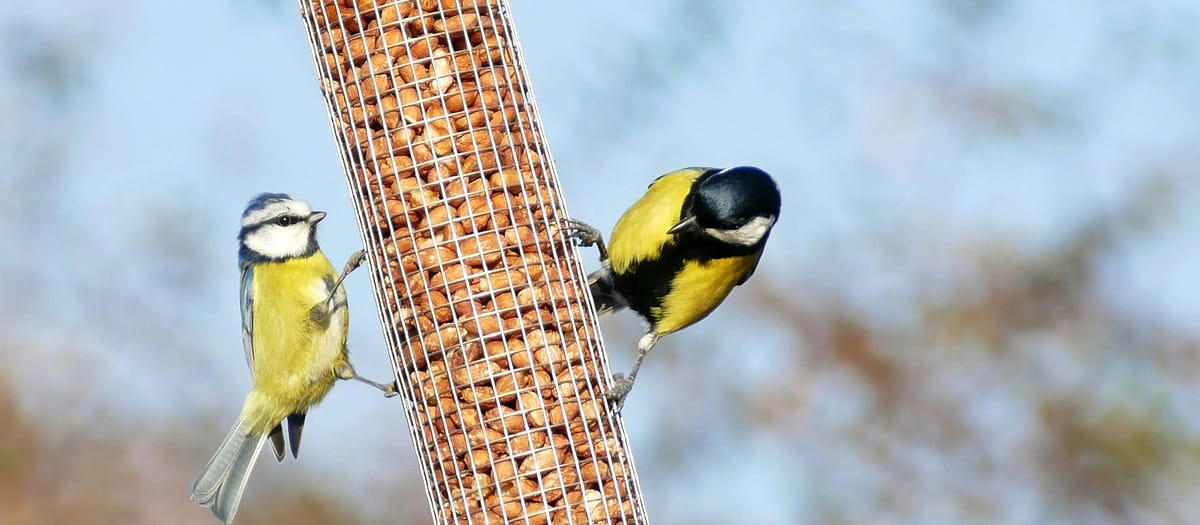
The Complete Backyard Bird Feeder Setup Planner: Your Shortcut to Happy Birds
There’s nothing quite like watching a goldfinch land on a feeder outside your window—except maybe the moment of panic that comes right before it. If you’re standing in front of rows of feeders at the store wondering “How do I even choose?” or you’ve already bought three different types and have no idea which goes where, you’re not alone. Setting up a backyard bird feeder setup that actually works doesn’t have to be complicated, and it definitely doesn’t require a degree in ornithology.
Why Setting Up a Bird Feeding Station Feels Complicated
Let’s be honest: there are a lot of options. Tube feeders, platform feeders, suet cakes, nyjer socks, hopper feeders—each one attracts different birds and requires different seeds. Add in questions about placement, spacing, and how much seed you’ll actually need, and it’s easy to feel like you’re in over your head.
The thing is, most of these decisions come down to a few simple factors: what birds you want to attract, how much space you have, and your budget. Once you know those three things, the rest falls into place.
What the Right Setup Actually Looks Like
A great bird feeding station doesn’t need to be fancy or expensive. It just needs to be thoughtful. Most beginners get the best results with a combination of feeder types: a tube feeder for small finches, a hopper feeder for chickadees and nuthatches, and maybe a suet cage for woodpeckers. Each one serves a purpose, and each one brings different birds to your yard.
The key is spacing them out so birds don’t feel crowded and positioning them where you can actually see the action from your window. Quality feeders like the Birdfy Smart Bird Feeder make it easy to monitor your birds while keeping them safe and well-fed.
How to Choose Based on Your Yard and Budget
Not everyone has an acre of land or a unlimited budget—and that’s fine. The question isn’t “What’s the best setup?” but rather “What’s the best setup for you?” A small apartment balcony needs a different approach than a sprawling suburban yard. A beginner on a tight budget needs different advice than someone ready to invest in premium feeders.
That’s where making a plan comes in handy. Instead of guessing, you can match your setup to your actual situation and avoid wasting money on feeders you won’t use. Consider your space and choose from proven options like platform feeders, tube feeders, or suet feeders—all designed for different bird species and budgets.
Try Our Free Bird Feeder Setup Planner
We built a simple tool that takes the guesswork out of planning your bird feeding station. Answer a few quick questions about your space, budget, and which birds you’re excited to see, and the planner will suggest the perfect feeder combination for you. It’s like having an experienced birder in your corner.
Once you know what feeders to get, you can use our free bird seed calculator to figure out exactly how much seed to buy. And if you’re curious about which species might show up in your yard once everything is set up, our What Birds Are In My Backyard tool can help with that too.
What to Expect After Setting Up Your Feeders
Give your new setup a week or two to settle in. Birds are curious but cautious, so it might take a few days before they trust the feeders. Once they do, though, it’s honestly addictive. You’ll find yourself checking on them throughout the day—and that’s the whole point.
The beautiful part is that a good setup keeps working year after year. You’ll refine it over time, maybe add a new feeder type or adjust placements based on what you learn. And every step of the way, you’ll be creating a little sanctuary right outside your home.
Ready to start? Use the planner above to design your perfect bird feeding station today. Your backyard (and your local bird population) will thank you.
Frequently Asked Questions About Bird Feeder Setup
How far apart should I space my bird feeders?
Space feeders at least 10-12 feet apart to reduce competition and allow different bird species to feed comfortably without feeling crowded. This spacing also helps shy birds feel safe while eating. If you have a smaller yard, even 6-8 feet of separation will work—just monitor to ensure birds aren’t bullying each other at feeders.
How high should bird feeders be off the ground?
Mount feeders 5-6 feet high for safety. This height gives birds enough clearance to spot predators while feeding, and it keeps feeders away from ground-dwelling squirrels. Hanging feeders from tree branches or mounting them on poles are both effective options. Just ensure there’s a clear line of sight from your viewing window.
What’s the best type of feeder for beginners?
Start with a combination: a hopper feeder (attracts chickadees, nuthatches, and cardinals), a tube feeder (perfect for finches), and a suet cage for woodpeckers and nuthatches. This three-feeder approach brings variety without overwhelming you with maintenance. Add specialty feeders once you understand your local bird population.
How often should I refill my bird feeders?
Refill feeders every 2-3 days during active feeding seasons (spring and fall migrations), and weekly during slower seasons. Empty feeders of old seed before refilling to prevent mold and disease. In winter, check feeders daily as birds rely more heavily on feeders for survival.
Do I need to provide fresh water for birds?
Yes! A bird bath or water station is as important as food. Provide fresh water daily, change it frequently, and keep it clean. Birds need water for drinking and bathing year-round. Heated bird baths in winter are especially appreciated by cold-weather birds.
[…] sure where to start? Check out our full guide on How to Set Up a Bird Feeding Station for Beginners — it covers everything from choosing your first feeder to getting your first birds in just a few […]
[…] How to Set Up a Bird Feeding Station for Beginners […]
[…] Pair any feeder with a sturdy shepherd’s hook pole ($27.99) to keep it stable and positioned away from fences where cats and squirrels could reach. If you’re new to setting up a feeder station, check out our guide: How to Set Up a Bird Feeding Station for Beginners. […]
[…] For a complete guide to getting started, see our post on how to set up a bird feeding station for beginners. […]
[…] Whether you’re setting up your first feeder or expanding an existing station, it makes the whole process much easier. Pair it with our beginner walkthrough for a full game plan: How to Set Up a Bird Feeding Station for Beginners. […]
[…] Looking to build out your full winter bird feeding station? Start with our beginner’s guide: How to Set Up a Bird Feeding Station for Beginners. […]