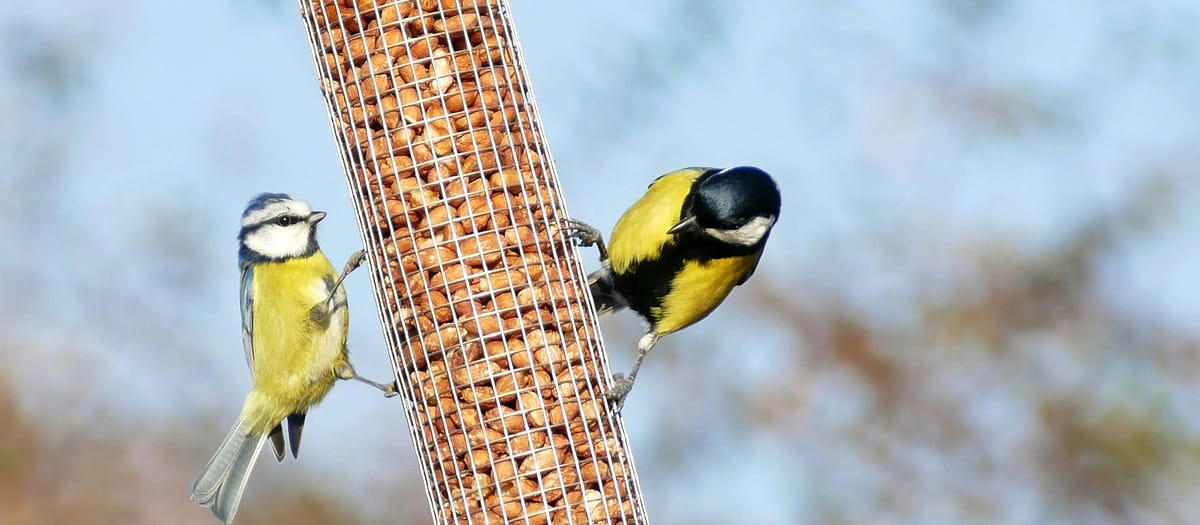
If you’re serious about attracting more birds to your yard, having a solid backyard bird feeding checklist is the single best thing you can do. Whether you’re just starting out or you’ve been feeding birds for years, it’s easy to miss something that makes all the difference — the right seed, proper feeder placement, or a fresh water source. This complete checklist covers everything you need for a thriving backyard bird feeding setup.
Bookmark this page, print it out, or save it to Pinterest — come back to it every season to make sure you’ve got everything covered.
🐦 The Ultimate Backyard Bird Feeding Checklist
✅ Section 1: Feeder Checklist
Your feeders are the foundation of your backyard setup. Here’s what to check:
- Tube feeder — Great for sunflower seeds and mixed blends; attracts finches, chickadees, and nuthatches
- Platform/tray feeder — Welcomes ground-feeding birds like juncos, doves, and sparrows
- Suet cage — Essential for woodpeckers, nuthatches, and wrens, especially in winter
- Hummingbird feeder — A must if you want to attract ruby-throated hummingbirds (spring through fall)
- Nyjer/thistle feeder — Finch sock or tube feeder for goldfinches and pine siskins
- Smart feeder with camera — Level up your birding with a camera feeder that identifies species automatically
💡 Upgrade pick: The Birdfy Smart Bird Feeder (Solar, Wood) combines a beautiful natural wood design with solar power and AI bird ID — no batteries or wiring needed. It’s a gorgeous addition to any yard.
✅ Section 2: Feeder Placement Checklist
Even the best feeder won’t work if it’s in the wrong spot. Use this backyard bird feeding checklist for placement:
- ☐ Place feeders within 3 feet or farther than 10 feet from windows to prevent bird strikes
- ☐ Position feeders near natural cover (shrubs, trees) so birds feel safe flying in
- ☐ Keep feeders at least 10–15 feet apart to reduce competition between species
- ☐ Use a squirrel baffle on pole-mounted feeders — place baffle at least 4 feet off the ground
- ☐ Hang feeders away from fences and rooftops squirrels can leap from (6+ feet is the rule)
- ☐ Make sure you can easily see feeders from indoors for your own enjoyment!
Need help planning your setup? Our Complete Backyard Bird Feeder Setup Planner walks you through the entire process step by step.
✅ Section 3: Bird Seed Checklist
The wrong seed is the #1 reason birds don’t visit feeders. Here’s what to stock:
- ☐ Black oil sunflower seeds — The all-purpose seed; attracts the widest variety of birds
- ☐ Safflower seeds — Loved by cardinals; squirrels and starlings tend to avoid it
- ☐ Nyjer (thistle) seed — Essential for finches; use only in nyjer-specific feeders
- ☐ Suet cakes or plugs — High-energy food for woodpeckers, especially in fall and winter
- ☐ Millet (white proso) — Ground feeders and sparrows love it; spread on a tray
- ☐ Peanuts (shelled) — Blue jays, woodpeckers, and nuthatches go crazy for them
- ☐ No filler seed — Avoid mixes with milo, wheat, or oats (most birds skip them and they just pile up)
Not sure which seed is right for the birds in your area? Check our Free Bird Seed Finder Tool — just answer a few questions and get a personalized recommendation.
✅ Section 4: Water & Bird Bath Checklist
A fresh water source can double the number of bird species visiting your yard. Here’s your water checklist:
- ☐ Bird bath placed in a shady spot to keep water cool and reduce algae growth
- ☐ Water depth 1–2 inches max — birds won’t use deep baths
- ☐ Rough or textured basin so birds can get a grip
- ☐ Refresh water every 2–3 days (daily in hot weather)
- ☐ Add a dripper or wiggler — moving water attracts far more birds than still water
- ☐ In winter: use a heated bird bath or de-icer to keep water liquid
- ☐ Scrub the basin with a stiff brush weekly; avoid soap (use a 10% bleach rinse, rinse thoroughly)
✅ Section 5: Maintenance Checklist
Dirty feeders are a serious health risk for birds. Stick to this maintenance schedule:
- ☐ Every 1–2 weeks: Clean tube feeders with hot soapy water; rinse well and dry before refilling
- ☐ Weekly: Clean platform feeders — they collect moisture and can grow mold fast
- ☐ Monthly: Deep-clean all feeders with a 10% bleach solution; let dry completely
- ☐ As needed: Discard wet, clumped, or moldy seed immediately
- ☐ Seasonally: Check feeder hardware — tighten screws, replace cracked plastic parts
- ☐ Store seed in a sealed metal or hard plastic container to prevent moisture and pests
If birds have stopped showing up at a feeder that was once busy, don’t panic — read our guide on Why Aren’t Birds Coming to My Feeder? for a quick troubleshooting checklist.
✅ Section 6: Seasonal Backyard Bird Feeding Checklist
Different seasons call for different strategies. Here’s what to adjust throughout the year:
🌸 Spring
- ☐ Put out hummingbird feeders by late April (earlier in southern states)
- ☐ Add an oriole feeder with grape jelly and orange halves
- ☐ Offer nesting material (cotton fiber, pet fur, small twigs)
- ☐ Deep-clean all feeders after winter
☀️ Summer
- ☐ Refresh nectar every 3–4 days (every 1–2 days in high heat) to prevent fermentation
- ☐ Keep water fresh and cool — refill daily if temps are above 85°F
- ☐ Watch for fledglings visiting feeders with their parents in July
- ☐ Scale back seed amounts if birds are slower — natural food is abundant in summer
🍂 Fall
- ☐ Increase seed portions — migrating birds fuel up in fall
- ☐ Add suet to attract woodpeckers and nuthatches as temps drop
- ☐ Take down hummingbird feeders 2 weeks after your last sighting
- ☐ Plant native berry-producing shrubs for next year’s fruit crop
❄️ Winter
- ☐ Keep feeders full — birds need the extra calories in cold weather
- ☐ Set up a heated bird bath or add a de-icer
- ☐ Offer high-fat foods: suet, peanuts, sunflower seeds
- ☐ Clear snow off platform feeders after storms so ground feeders can access food
🔧 Complete Your Setup: The Feeder Starter Kit Checklist
If you’re building your backyard bird feeding station from scratch, here’s your starter kit shopping list:
- ✅ 1 tube feeder (for sunflower seeds)
- ✅ 1 platform/tray feeder
- ✅ 1 suet cage
- ✅ Metal feeder pole with squirrel baffle
- ✅ Black oil sunflower seeds (5–10 lb bag to start)
- ✅ Safflower seeds (for cardinals)
- ✅ 2–3 suet cakes
- ✅ Bird bath (pedestal or hanging)
- ✅ Feeder brush for cleaning
- ✅ Airtight seed storage container
Want an all-in-one smart setup? The Birdfy AI Camera Bird Feeder (2K, Solar) gives you stunning 2K video, solar charging, and built-in AI bird identification — so you always know exactly who’s visiting your yard. It makes a great anchor piece for any backyard birding station.
📋 Printable Backyard Bird Feeding Checklist (Quick Reference)
Here’s your condensed quick-reference version — print it out and stick it on your fridge or garden shed door:
| Category | Task | Frequency |
|---|---|---|
| Seed | Refill feeders | Every 2–3 days |
| Water | Refresh bird bath | Every 1–2 days |
| Cleaning | Wash tube feeders | Every 1–2 weeks |
| Cleaning | Deep-clean with bleach | Monthly |
| Placement | Check squirrel baffles | Monthly |
| Seasonal | Swap seed blends | Each season |
| Hardware | Inspect for damage | Seasonally |
Final Thoughts
The best backyard bird feeding checklist is the one you actually use. Start simple — one or two feeders, quality seed, and fresh water — and build from there. The birds will find you faster than you think, and once they do, you’ll wonder how you ever spent time in your yard without them.
Not sure where to start? Check out our full guide on How to Set Up a Bird Feeding Station for Beginners — it covers everything from choosing your first feeder to getting your first birds in just a few days.
Happy birding! 🐦
Leave a Reply