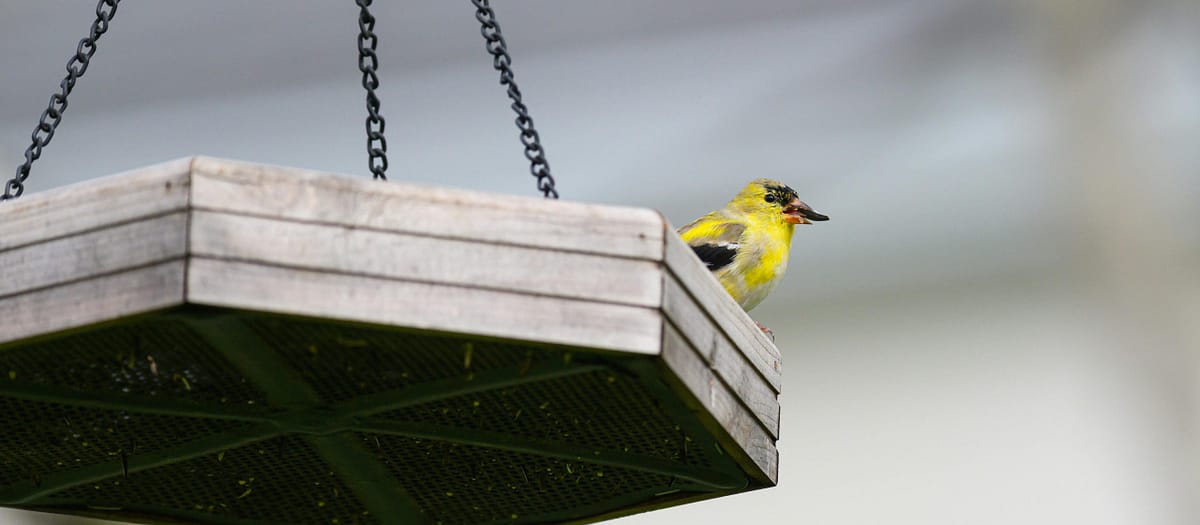
If you’ve ever wondered what to feed birds in summer, you’re not alone. Summer changes everything in the backyard birding world — breeding season kicks off, migratory species arrive, and your resident birds have different nutritional needs than they do in winter. Getting your summer bird feeding right means more birds, more activity, and a healthier backyard flock all season long.
This month-by-month guide breaks down exactly what to offer from June through August, so you can keep your feeders full of the right foods at the right times. Whether you’re feeding goldfinches, hummingbirds, cardinals, or chickadees, summer has something for every species.
Already wondering which birds will show up? Check out our post on 10 Birds You’ll See at Your Feeder This Summer for a species preview before diving into the feeding guide below.
Why Summer Bird Feeding Is Different
Many people assume bird feeding is a winter-only hobby, but summer is actually one of the most rewarding times to have feeders out. Here’s why the approach changes:
- High energy demand: Parent birds are feeding chicks, which means they need more protein and fat.
- Heat spoilage: Seeds, suet, and nectar go bad faster in hot weather — freshness matters more in summer.
- Different species mix: Hummingbirds, orioles, and other warm-weather visitors arrive and need specific foods.
- Natural food abundance: Birds have access to more natural food sources, so they may visit feeders less — that’s normal.
- Molting season: Late summer birds need extra nutrients as they grow new feathers for fall migration.
Understanding these seasonal shifts means you can offer the right foods at the right times — and not waste money on seeds that will spoil or go ignored.
What to Feed Birds in June
June marks the height of nesting season. Parent birds are hunting insects and protein-rich foods for their chicks, but they’ll still visit feeders — especially early in the morning before foraging begins.
Best Seeds and Foods for June
- Black oil sunflower seeds — The year-round MVP. Cardinals, chickadees, nuthatches, and finches all love it. High fat content supports nesting energy demands.
- Nyjer (thistle) seed — American Goldfinches breed in late June and July — they’re at peak population right now and absolutely love nyjer.
- Mealworms (dried or live) — One of the best summer foods you can offer. Bluebirds, robins, and wrens will go crazy for these protein-packed treats, especially when they have nestlings to feed.
- Shelled peanuts — High protein, loved by jays, woodpeckers, and chickadees. Offer in a mesh feeder to prevent hoarding.
- Suet cakes — Despite the heat, woodpeckers still visit suet feeders. Look for no-melt summer suet formulas to prevent rancidity.
What to Offer Hummingbirds in June
June is prime time for hummingbirds across most of the country. Ruby-throated hummingbirds are breeding in the East, while Western species like Anna’s and Rufous hummingbirds are in full swing on the West Coast.
Make your own nectar by mixing 1 part white granulated sugar to 4 parts water. Boil briefly to dissolve, then cool completely before filling your feeder. Never use red dye, honey, or artificial sweeteners — these can harm hummingbirds.
In summer heat, change nectar every 2–3 days to prevent fermentation. Want to attract more hummingbirds? Our full guide on How to Attract Hummingbirds to Your Backyard covers everything from feeder placement to flower planting.
A reliable glass hummingbird feeder makes nectar changes easy and keeps the sugar water fresh longer than plastic. This Glass Hummingbird Feeder with Perch and 5 Feeding Ports ($16.99) is leak-proof and dishwasher-safe — perfect for high summer turnover.
What to Feed Birds in July
July is the busiest month at summer feeders. Fledglings from the first nesting cycle are learning to forage, which means you’ll see awkward young birds at your feeders being fed by their parents. It’s one of the most entertaining things to watch all year.
Best Seeds and Foods for July
- Black oil sunflower seeds — Still the top pick. Young birds learning to crack seeds often prefer already-shelled sunflower hearts.
- Nyjer seed — Goldfinches are actively nesting now and will empty a nyjer feeder fast. Keep a dedicated Kingsyard Finch Feeder for Nyjer Seed ($21.99) topped up all month.
- Safflower seed — Cardinals love it and squirrels tend to leave it alone. Great for keeping feeders squirrel-free in summer.
- Mealworms — Even more important in July as second broods are being raised. Bluebird families especially benefit.
- Fresh fruit — Orioles, tanagers, and catbirds will visit for orange halves and grape jelly. Set up a platform tray specifically for fruit offerings.
- Water — This is the most overlooked summer offering. A clean, fresh birdbath can attract more birds in July than any seed blend.
July Feeder Management Tips
- Keep quantities small: Only fill feeders halfway in hot weather to reduce waste and prevent seed from going rancid.
- Clean feeders weekly: Mold and bacteria grow fast in summer heat. A quick scrub with a 10% bleach solution keeps feeders safe for birds.
- Place feeders in shade: Moving feeders to a shaded spot extends seed freshness and keeps nectar cooler for hummingbirds.
- Use a platform tray: A Kingsyard Heavy Duty Platform Bird Feeder ($19.99) is perfect for offering a variety of summer foods — fruit, mealworms, and mixed seed — all in one spot.
What to Feed Birds in August
August is a transitional month. The breeding frenzy winds down, but migration prep begins. Birds entering their molting phase need extra nutrients to grow strong feathers for the long journey south. Early migrants like shorebirds and warblers may pass through your yard, and your resident birds are starting to shift their diets.
Best Seeds and Foods for August
- Sunflower seeds and hearts — High fat content supports molting birds growing new feathers. Shelled hearts are easiest for younger birds still learning to feed independently.
- Mixed seed blends — A quality blend attracts the widest variety of species as migration starts to bring new faces to your yard. A hopper feeder like the Kingsyard Metal Hopper Bird Feeder ($19.99) holds enough seed to handle the late-summer rush.
- Nyjer seed — Goldfinches are still active into August, especially in northern states where they breed later in the season.
- Peanuts and suet — Woodpeckers start visiting more frequently in August as they build fat reserves for winter.
- Nectar — Keep hummingbird feeders running through August and into September. Southward-migrating hummingbirds need fuel stops, and leaving feeders up helps passing migrants even after your local birds have moved on.
Preparing for Fall Migration
Late August is a good time to start thinking ahead. Increase seed quantities gradually as September approaches — migration peaks in September and October, and having well-stocked feeders can attract species you’d never see otherwise.
This is also a great time to reassess your feeder setup. If you’re using only one or two feeders, consider adding a tube feeder for seeds and a mesh feeder for peanuts. The Squirrel-Proof Metal Mesh Tube Feeder ($33.19) works year-round and keeps aggressive squirrels from raiding your summer seed supply. For a full feeder setup walkthrough, see our guide on How to Set Up a Bird Feeding Station for Beginners.
Summer Bird Feeding: Month-by-Month Quick Reference
| Month | Top Foods | Key Birds | Special Notes |
|---|---|---|---|
| June | Sunflower, nyjer, mealworms, suet, nectar | Cardinals, goldfinches, hummingbirds, bluebirds | Nesting season — protein is key |
| July | Sunflower, nyjer, fruit, mealworms, nectar | Fledglings, goldfinches, orioles, hummingbirds | Young birds learning to forage |
| August | Sunflower, mixed seed, peanuts, nectar | Woodpeckers, goldfinches, early migrants | Molting + migration prep begins |
Recommended Summer Feeders and Products
The right equipment makes summer feeding easier and more effective. Here are the products we recommend for a complete summer feeding station:
- 🌺 Hummingbirds: Glass Hummingbird Feeder with 5 Feeding Ports — $16.99 | Leak-proof, easy to clean, dishwasher safe
- 🌻 Finches & Goldfinches: Kingsyard Nyjer/Thistle Finch Feeder — $21.99 | Metal mesh, 2.5 lb capacity, weather resistant
- 🐦 Mixed Seed: Kingsyard Metal Hopper Bird Feeder — $19.99 | Dual chamber, chew-proof, 4 lb capacity
- 🌿 Fruit, Mealworms & Variety: Kingsyard Heavy Duty Platform Feeder — $19.99 | Weatherproof, easy-clean mesh tray
- 🔒 Squirrel-Proof Option: Squirrel-Proof Metal Mesh Tube Feeder — $33.19 | Gravity-locking cage keeps squirrels out
Summer Bird Feeding Tips for Success
- Store seed in a cool, dry place: Summer heat turns seed rancid fast. A metal trash can with a locking lid works great as a seed storage container.
- Offer fresh water daily: A birdbath in summer is worth more than any feeder. Clean it every day and refill with fresh water.
- Don’t overfill feeders: Small, frequent fills beat large fills that sit in the heat. Aim to empty the feeder every 3–5 days.
- Avoid millet in summer: White millet is a great cold-weather seed, but it attracts sparrows who can crowd out other birds at summer feeders.
- Watch for mold: Any clumping, darkening, or musty smell means the seed has gone bad. Empty and clean the feeder before refilling.
- Plant native flowers: Sunflowers, coneflowers, and black-eyed Susans produce seeds that birds love — and they attract the insects that nestlings need.
Frequently Asked Questions
Should I stop feeding birds in summer?
No — summer is actually one of the best times to keep feeders out. While birds have access to more natural food than in winter, they still benefit from supplemental feeding, especially during nesting season when parent birds need extra energy. Hummingbirds, goldfinches, and fledglings especially rely on backyard feeders throughout the summer months.
What is the best bird seed to use in summer?
Black oil sunflower seeds are the best all-around summer seed — they attract the widest variety of birds and have enough fat content to support the energy demands of nesting and fledgling season. Add nyjer seed for goldfinches and finches, and mealworms for bluebirds and robins. Avoid cheap filler mixes with lots of milo or wheat — most backyard birds won’t eat them.
How often should I change hummingbird nectar in summer?
Change hummingbird nectar every 2–3 days in summer heat, or sooner if you notice it turning cloudy or developing floating particles. In temperatures above 90°F, you may need to change it daily. Fermented nectar can make hummingbirds sick, so when in doubt, dump it out and refill with fresh.
Why are fewer birds coming to my feeder in summer?
This is completely normal and doesn’t mean you’re doing anything wrong. In summer, birds have abundant natural food sources — insects, berries, and wild seeds — so they don’t need your feeders as much. Activity also drops during the midday heat and picks up in the early morning and evening. You may also notice birds visiting less frequently as fledglings graduate from parental care and scatter into new territories.
Is it okay to feed birds bread or crackers in summer?
Avoid feeding birds bread, crackers, or processed human food. These foods have no nutritional value for birds and can be actively harmful — especially to nestlings whose parents may bring it back to the nest. Bread can also go moldy quickly in summer heat, creating a health hazard. Stick to seeds, mealworms, fruit, and nectar for the healthiest summer feeding station.
Leave a Reply