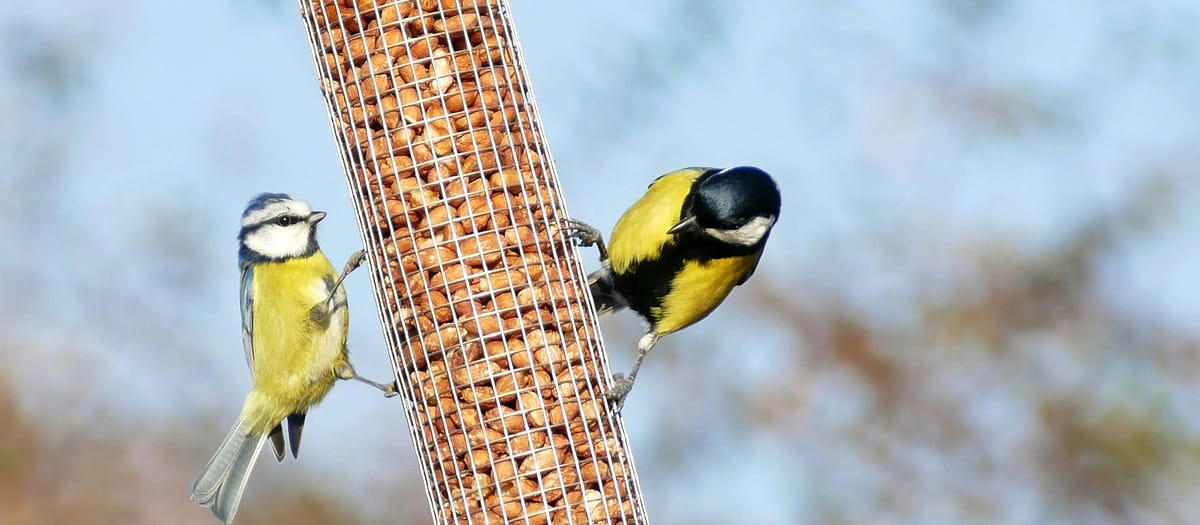
Trying to decide between a platform feeder vs tube feeder for your backyard? You’re not alone — it’s one of the most common questions new bird feeders ask. Both styles attract birds and look great in any yard, but they work differently, attract different species, and have real trade-offs worth knowing before you spend money. In this guide, we’ll break down exactly how each feeder type works, which birds prefer them, and how to choose the right one (or both!) for your setup.
What Is a Platform Feeder?
A platform feeder — also called a tray feeder — is exactly what it sounds like: an open, flat tray that holds birdseed. They’re usually suspended from a hook, mounted on a pole, or attached to a deck railing. The design is simple and welcoming, giving birds plenty of room to land, perch, and eat side by side.
Platform feeders are exceptionally versatile. Because they’re open, you can fill them with virtually any type of seed, including mixed seed blends, safflower, sunflower seeds, cracked corn, millet, or even fresh fruit for orioles and catbirds. That variety is a major draw for both the birds and the birder.
The downside? Platform feeders are exposed to the elements. Rain can soak the seed quickly, leading to spoilage and mold if you’re not paying attention. Most quality models include drainage holes or mesh trays to help with runoff, but you’ll still want to refill them more often in wet weather.
If you want to expand your platform setup, check out our guide on how to set up a bird feeding station for beginners — platform feeders are often the centerpiece of a good station.
A solid starter pick is the Kingsyard Heavy Duty Hanging Platform Bird Feeder ($19.99) — it features a weatherproof recycled plastic tray with a metal mesh screen that drains water and is easy to rinse clean.
What Is a Tube Feeder?
Tube feeders are tall, cylindrical feeders with multiple small feeding ports and perches running down the sides. Birds cling to the individual perches and pull seed out through the ports one at a time. The enclosed design keeps seed fresh longer than an open tray, and the port size typically determines what seed you can use — smaller ports for nyjer/thistle or safflower, larger ports for sunflower seeds.
Tube feeders are generally more squirrel-resistant than platform feeders, especially models with built-in weight-activated closures or cage surrounds. They’re also more compact, which makes them ideal for smaller yards, apartment balconies, or situations where space is limited (more on that in our guide to best feeders for small yards and apartments).
The main trade-off with tube feeders is that they attract a narrower range of birds — typically clinging species like finches, chickadees, nuthatches, and titmice. Ground-feeding birds like sparrows, doves, and juncos rarely use tube feeders unless there’s a tray attachment at the bottom to catch spillage.
For a quality option, the Bird Feeders for Outdoors Squirrel Proof Hanging Tube Feeder ($18.98) is a great value — it features a locking lid, chew-proof construction, and six feeding ports that handle standard sunflower or safflower seed beautifully.
Platform Feeder vs Tube Feeder: Side-by-Side Comparison
Birds They Attract
Platform feeders attract a wide variety of species: Northern Cardinals, Blue Jays, Mourning Doves, Dark-eyed Juncos, White-throated Sparrows, Towhees, and even Catbirds if you add fruit. They’re especially popular with ground-feeding species that feel exposed on tube feeder perches.
Tube feeders excel at attracting clinging birds: American Goldfinches, House Finches, Black-capped Chickadees, Tufted Titmice, White-breasted Nuthatches, and Downy Woodpeckers. With a nyjer sock or small-port tube feeder, you’ll draw goldfinches in droves.
Seed Compatibility
Platform feeders can hold nearly any seed type — mixed blends, black oil sunflower, safflower, cracked corn, millet, peanuts, or fruit. Tube feeders are more seed-specific. Wide-port tubes handle sunflower or safflower; narrow-port tubes are made for nyjer/thistle. For a full rundown on seed types, see our guide on the difference between bird seed types explained.
Ease of Cleaning
Both types need regular cleaning, but in different ways. Platform feeders are quick to wipe down but need more frequent seed replacement because of weather exposure. Tube feeders require a long-handled brush to clean the ports and interior — invest in a good feeder cleaning brush and the job becomes quick and easy.
Squirrel Resistance
Tube feeders generally win here. A caged or weight-activated tube feeder is much harder for squirrels to raid than an open tray. That said, a platform feeder on a pole with a squirrel baffle can be adequately protected. For a full breakdown, see our post on squirrel-proof bird feeders: do they actually work?
Weather Protection
Tube feeders keep seed drier longer thanks to their enclosed design. Platform feeders rely on good drainage and frequent refills to stay mold-free. In rainy climates, choose a platform feeder with a rain guard roof or a gazebo-style cover for better seed protection.
When to Choose a Platform Feeder
- You want to attract the widest variety of bird species
- You enjoy feeding Cardinals, Doves, Jays, and sparrows
- You’re willing to refill more frequently
- You want to offer mixed seed, fruit, or peanuts
- You’re building a full backyard feeding station with multiple feeder types
When to Choose a Tube Feeder
- You want to target finches, chickadees, or nuthatches specifically
- Squirrels are a persistent problem in your yard
- You have a small yard, balcony, or limited hanging space
- You want seed to stay fresh longer between refills
- You’re using nyjer/thistle seed to attract goldfinches
Why Not Both? The Best Backyard Setup
Here’s the secret most experienced birders know: you don’t have to choose. A platform feeder and a tube feeder complement each other perfectly. The tube feeder draws clinging birds while the platform attracts ground-feeders and larger species that don’t compete for the same space. Together, they dramatically increase the diversity of birds visiting your yard.
Pairing them thoughtfully — with 8–10 feet of separation — means different bird personalities can feed without stress or competition. For tips on optimal spacing and positioning, check out our guide to bird feeder placement: where to hang your feeder for best results.
Our Top Picks: Platform and Tube Feeders
Best Platform Feeders
- Large Hanging Bird Feeder Tray with Mesh Bottom – $12.99 — Budget-friendly entry point with good drainage. Great for Cardinals and Doves.
- Kingsyard Heavy Duty Platform Bird Feeder – $19.99 — Recycled plastic build, weatherproof metal mesh tray. The best all-around value.
- Kingsyard Gazebo-Style Platform Bird Feeder – $29.99 — Rain-proof roof, beautiful design, holds more seed. Best for high-traffic yards.
Best Tube Feeders
- Squirrel Proof Hanging Tube Feeder – $18.98 — Six ports, locking lid, chew-proof build. Ideal for a first tube feeder.
- Kingsyard Metal Tube Feeder with Protective Dome – $29.99 — Built-in 11.5″ dome blocks rain and squirrels. Includes removable tray for ground-feeders below.
Not Sure Which Feeder Is Right for You? Try Our Free Feeder Planner
Every backyard is different — and the best feeder depends on your yard size, the birds in your area, and how much maintenance you want to do. Our Free Feeder Planner takes just 60 seconds and gives you a personalized recommendation based on your specific situation.
🪶 Free Feeder Planner Tool
Answer a few quick questions about your yard, your location, and your goals — and we’ll tell you exactly which feeder type (and which seed) will bring the most birds to your backyard.
Frequently Asked Questions
Is a platform feeder or tube feeder better for Cardinals?
Platform feeders are significantly better for Cardinals. Northern Cardinals prefer wide, open perching areas because of their size and feeding style. They struggle to balance on the small perches of a tube feeder. Fill a platform tray with black oil sunflower seeds or safflower, and Cardinals will visit reliably every day.
Do tube feeders attract more birds than platform feeders?
Not necessarily more birds — but different birds. Tube feeders attract specialists like finches, chickadees, and nuthatches that prefer clinging to perches. Platform feeders attract a broader range of species including ground-feeding birds. For total species diversity, using both types together is the winning strategy.
Are platform feeders hard to keep clean?
They require more frequent attention than tube feeders because seed is exposed to rain and humidity. Plan to check your platform feeder every 2–3 days, remove any wet or clumped seed, and give the tray a rinse once a week. Models with mesh or drainage holes dry out faster and are easier to maintain.
Can squirrels get into tube feeders?
Standard tube feeders without any squirrel protection are vulnerable — squirrels will chew through plastic ports and perches. Look for tube feeders with metal construction, weight-activated closures that snap shut under a squirrel’s weight, or a wire cage surrounding the tube. These designs are genuinely effective.
What seed should I use in each feeder type?
For platform feeders, black oil sunflower seed is the all-around best performer — it attracts the widest variety of species. You can also add safflower (Cardinals love it, squirrels tend to avoid it), cracked corn for Jays and Doves, or millet for sparrows. For tube feeders, use black oil sunflower or safflower in standard-port tubes. For finch-specific tube or sock feeders, use nyjer (thistle) seed to attract goldfinches and Pine Siskins.
[…] seed feeders on a multi-arm pole. Wondering how the different feeder styles compare? Our guide on platform feeders vs tube feeders breaks down the options — a suet feeder rounds out any setup […]