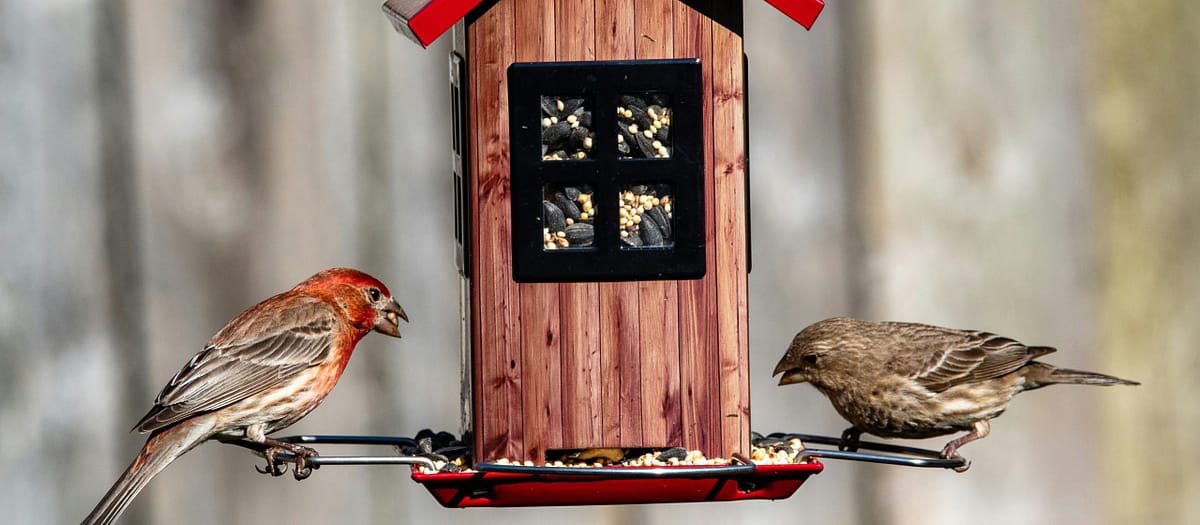
If you’ve been wondering what backyard birds in North Carolina show up at feeders, you’re in for a treat. The Tar Heel State sits along the Atlantic Flyway, boasts diverse habitats from the Blue Ridge Mountains to the Coastal Plain, and enjoys a climate that keeps feeders busy year-round. Whether you’re in Charlotte, Raleigh, Asheville, or a quiet rural county, a steady parade of colorful visitors will reward a well-stocked yard.
In this guide, you’ll learn which birds are most likely in your North Carolina backyard, what they eat, and how to set up feeders that bring them close. Scroll down to use our free Zip Code Bird Lookup tool for a personalized list for your exact location.
Why North Carolina Is a Birdwatcher’s Dream
North Carolina’s geography is unusually varied. The western mountains shelter Dark-eyed Juncos and Black-throated Blue Warblers. The Piedmont’s rolling forests are home to Cardinals, Chickadees, and Bluebirds. The eastern Coastal Plain draws shorebirds and waterfowl. That diversity means backyard birders anywhere in NC have access to a remarkably varied cast of species.
Fall is an especially exciting time. September and October bring waves of migrating songbirds moving south along the Appalachians and the coast, and many pause in suburban backyards to refuel. Keeping your feeders full right now could earn you some spectacular guests.
The Most Common Backyard Birds in North Carolina
These are the species North Carolina residents report seeing most often at feeders and in their yards throughout the year.
Northern Cardinal
The Northern Cardinal is North Carolina’s state bird — and it earns the title. Brilliant red males and warm tawny-brown females visit feeders every month of the year. Cardinals are ground-level feeders at heart, which means they love platform-style feeders and low hoppers. Their preferred foods are black-oil sunflower seed and safflower seed. Offer either in a roomy feeder and you’ll see them morning and evening without fail.
Carolina Wren
Loud, bold, and seemingly fearless, the Carolina Wren is a permanent resident throughout the state. Despite its small size, it has one of the most powerful voices in the backyard — a rolling teakettle-teakettle-teakettle that carries surprising distances. Carolina Wrens love suet, peanut pieces, and mealworms. They’ll also investigate brush piles, nesting boxes, and any opening they can squeeze into.
Carolina Chickadee
The Carolina Chickadee replaces its northern cousin, the Black-capped Chickadee, across most of NC (the Black-capped appears only in the far western mountains). Cheerful and acrobatic, chickadees are almost always the first birds to find a new feeder. They prefer sunflower seeds and safflower, and they cache seeds to eat later — so don’t be surprised if they grab one seed and fly off, only to return seconds later for another.
Tufted Titmouse
The Tufted Titmouse is a year-round resident with a distinctive crest and big black eyes. It often travels with chickadees in mixed winter flocks, and its loud peter-peter-peter call announces it well before you see it. Sunflower seeds and peanuts are its favorite foods.
Eastern Bluebird
Eastern Bluebirds are one of North Carolina’s most beloved yard birds, and with good reason — the male’s vivid blue-and-rust plumage is genuinely stunning. Bluebirds are primarily insect and berry eaters rather than seed feeders, but you can reliably attract them with mealworms, either live or dried. A nest box mounted in an open area with short grass nearby will encourage a breeding pair to take up residence. Read our full guide on how to attract bluebirds to your backyard for complete setup tips.
American Goldfinch
Goldfinches are present in North Carolina year-round, though fall males trade brilliant yellow for dull olive-green. They’re devoted fans of nyjer (thistle) seed — a tube-style nyjer feeder will keep a flock coming back daily. In winter they also hit sunflower chip feeders. Goldfinches are sociable; once one finds your feeder, others quickly follow.
Red-bellied Woodpecker
One of the most common woodpeckers in eastern North America, the Red-bellied Woodpecker is a bold, loud visitor to NC feeders. Despite the name, the red you’ll most notice is the vivid red cap on the male’s head. Suet is the go-to offering, but Red-bellied Woodpeckers also eat sunflower seeds, peanuts, and even fruit. A suet cage hung from a tree trunk or feeder pole will draw them in reliably.
Mourning Dove
Mourning Doves are ground feeders that clean up spilled seed below other feeders. They prefer millet, cracked corn, and sunflower seeds. Their soft cooing is a soundtrack to NC mornings and evenings. A low platform feeder or seed scattered on the ground works perfectly.
Dark-eyed Junco (Fall & Winter)
Starting in October, Dark-eyed Juncos arrive from their northern breeding grounds to spend winter in North Carolina. These slate-gray “snowbirds” scratch the ground beneath feeders for millet and cracked corn. In the NC mountains, some Juncos breed locally year-round.
Ruby-throated Hummingbird (Spring–Fall)
North Carolina’s only regularly occurring hummingbird, the Ruby-throated Hummingbird arrives in late April and departs by October. Keep a clean nectar feeder (four parts water, one part plain white sugar) up through October and you’ll have reliable activity through the summer. September is prime migration time — feeders may host more hummingbirds now than any other time as birds funnel south.
Best Feeders for North Carolina Backyard Birds
Different birds prefer different feeder styles. Here are the setups that will serve the widest variety of NC species:
- Platform feeder for Cardinals and Doves — Cardinals feel comfortable feeding from open, roomy surfaces. The Kingsyard Heavy Duty Hanging Platform Bird Feeder ($19.99) has a metal mesh tray that drains quickly and holds up to weather.
- Hopper feeder for mixed species — A hopper feeder attracts the widest variety of birds. The Kingsyard Metal Hopper Bird Feeder ($19.99) is weather-resistant and chew-proof, with a 4 lb capacity to reduce refill frequency.
- Nyjer/thistle tube feeder for Goldfinches — Goldfinches need fine nyjer seed ports. The Kingsyard Finch Feeder for Nyjer/Thistle ($21.99) has a metal mesh design that lets finches cling naturally anywhere on the tube.
- Feeder pole with squirrel baffle — Mounting feeders on a dedicated pole keeps them visible and safe. The Kingsyard 85-Inch Bird Feeder Station Kit ($27.99) includes a 5-prong base and multiple hooks for hanging several feeders at once.
For more setup guidance, check out our beginner’s guide to setting up a bird feeding station.
Find the Birds in Your North Carolina Backyard — Free Zip Code Lookup
North Carolina is a big state, and the birds in the Blue Ridge foothills are different from those on the Outer Banks. The best way to know exactly what’s likely in your yard is to look up your specific location.
Use our free What Birds Are in My Backyard? tool below. Enter your zip code and get a personalized list of the birds most commonly spotted in your area, including seasonal visitors you might not expect.
🔍 Look Up Your Backyard Birds by Zip Code →
It’s completely free and takes about 10 seconds — the best first step before buying any equipment.
Tips for Attracting More Birds in North Carolina This Fall
Fall migration is one of the best times to set up new feeders. Here’s how to make the most of the season:
- Keep feeders full through October. Migrating birds travel at night and refuel during the day. A full feeder in the morning can attract species you’ve never seen before.
- Add a water source. Moving water is irresistible to migrating warblers and other birds that don’t visit feeders. Even a simple dripper attachment on a bird bath makes a huge difference.
- Plant native shrubs. Berry-producing natives like Eastern red cedar, dogwood, and beautyberry provide natural food for Bluebirds, Robins, and Cedar Waxwings.
- Leave seed heads standing. Sunflowers, coneflowers, and black-eyed Susans produce seeds that Goldfinches and Chickadees eat straight from the plant — no feeder needed.
For more on what’s happening in the skies above NC right now, our guide to fall bird migration: which birds pass through your yard covers exactly what to look for and when.
Frequently Asked Questions: Backyard Birds in North Carolina
What is the most common backyard bird in North Carolina?
The Northern Cardinal is arguably the most iconic and consistently present backyard bird in North Carolina. It’s the official state bird and visits feeders year-round. Other top contenders include the Carolina Chickadee, Tufted Titmouse, Carolina Wren, and Mourning Dove — all of which appear reliably at feeders in every part of the state, every month of the year.
What birds come to feeders in North Carolina in the fall?
In addition to year-round residents like Cardinals, Chickadees, Wrens, and Woodpeckers, fall brings an influx of winter visitors. Dark-eyed Juncos typically arrive in October. White-throated Sparrows and White-crowned Sparrows appear in brushy areas. American Goldfinches may increase in number as birds from farther north pass through. Fall migration also brings a chance to see unusual species pausing to refuel.
Do hummingbirds stay in North Carolina year-round?
No — the Ruby-throated Hummingbird, NC’s primary hummingbird species, is a seasonal visitor that arrives in late April and departs by mid-October. However, there are occasional reports of Rufous and other western hummingbird species lingering into November and December, especially in the coastal counties. Leaving a clean feeder up through late October is worth it for that reason.
What’s the best bird seed for North Carolina backyard birds?
Black-oil sunflower seed is the single best all-around choice — Cardinals, Chickadees, Titmice, Nuthatches, and many other species eat it readily. Add nyjer seed in a dedicated finch feeder for Goldfinches, and suet for Woodpeckers and Wrens. Safflower seed is an excellent Cardinal-specific option that most squirrels dislike, making it ideal if squirrel pressure is a problem.
Are there bluebirds in North Carolina year-round?
Yes. Eastern Bluebirds are permanent residents throughout North Carolina and do not migrate south for winter. They are most visible at feeders and nest boxes during the breeding season (March–July), but they stay active year-round. In winter, they form loose flocks that roam the countryside searching for berries and insects. Offering dried mealworms in a dish feeder is the most reliable way to attract them.
Make Your North Carolina Yard a Bird Magnet
Whether you’re just getting started or looking to attract more species, North Carolina is one of the best states in the country for backyard birding. The combination of year-round residents, seasonal migrants, and a welcoming climate means there’s always something to see — if you set things up right.
Start with black-oil sunflower in a hopper feeder, add a nyjer feeder for the Goldfinches, and hang a suet cage for the Woodpeckers. Then use the free Zip Code Lookup tool to get a customized species list for your exact address. You might be surprised who’s already in your neighborhood, waiting for an invitation.
Leave a Reply