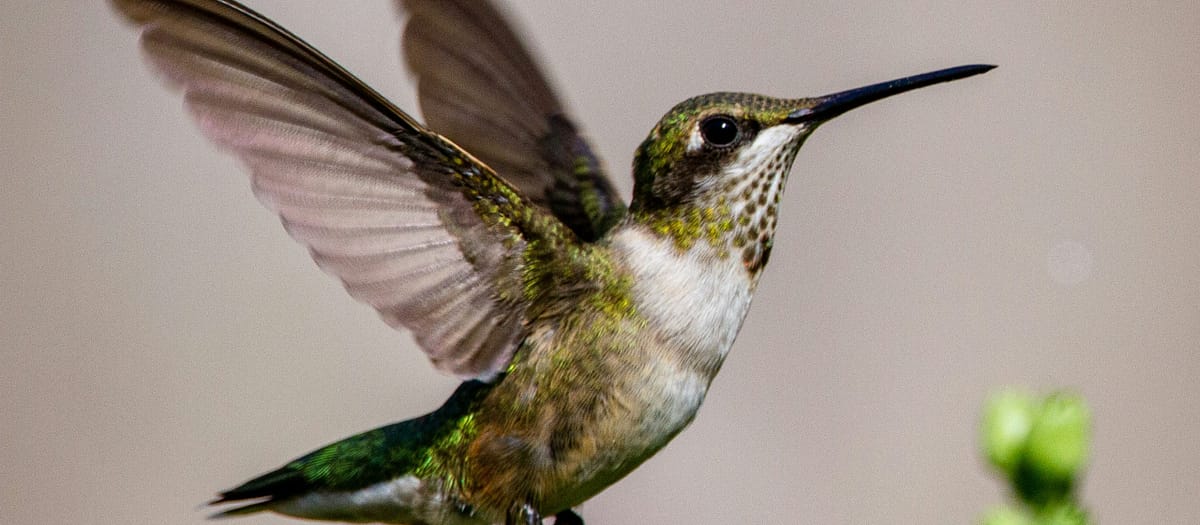
If you’ve ever wondered why squirrels raid your bird feeder but leave certain feeders alone, safflower seed for birds might be the answer you’ve been looking for. This small, white seed is a secret weapon for backyard birders who want to attract beautiful songbirds while sending squirrels packing — naturally and without any gadgets or gimmicks.
In this guide, you’ll learn exactly which birds love safflower, why squirrels and other pests tend to avoid it, how to offer it properly, and whether it belongs in your backyard bird feeding setup.
What Is Safflower Seed?
Safflower (Carthamus tinctorius) is a thistle-like plant grown primarily for its oil, but its seeds have become a popular choice in the bird feeding world. The seeds are small, white, and slightly oval — similar in size to black-oil sunflower seeds but with a thicker, harder shell.
You’ll find safflower seed sold on its own or occasionally as part of specialty blends. It’s widely available at wild bird specialty stores and most garden centers. The price is comparable to black-oil sunflower, making it an affordable choice for most backyard birders.
Which Birds Eat Safflower Seed?
Not every bird at your feeder will go for safflower right away — but the ones that do tend to be some of the most desirable backyard visitors:
Northern Cardinal
Cardinals are perhaps the #1 safflower fan. Both males and females readily eat it, and in many yards, cardinals show a strong preference for safflower over other seeds. If you want more cardinals, safflower is one of the best seeds you can offer.
Black-Capped Chickadee
Chickadees are adventurous eaters and will take safflower from tube feeders, hopper feeders, and platform trays. They tend to grab a seed and fly off to crack it open on a nearby branch.
House Finch and Purple Finch
Both finch species enjoy safflower, particularly from hopper-style feeders. They’ll often share the feeder with cardinals without conflict.
Mourning Dove
Doves will eat safflower that falls to the ground or is offered in a ground-level platform feeder. They’re one of the most consistent safflower consumers in many backyards.
White-Breasted Nuthatch
Nuthatches are regular safflower eaters. They’ll cling upside-down to feeders to snag seeds, making them fun to watch.
Tufted Titmouse
Like chickadees, titmice adapt quickly to safflower and will visit regularly once they discover it’s on offer.
Not all birds eat safflower — species like goldfinches, sparrows, and starlings generally ignore it. If you want to target a specific mix of visitors, check out our guide to different bird seed types to see how safflower compares to other options.
Why Does Safflower Deter Squirrels?
Here’s where safflower earns its reputation. The seed contains compounds that give it a slightly bitter taste — one that most squirrels find unappealing. While a truly determined squirrel might still eat safflower if it’s hungry enough, the vast majority of squirrels will ignore a safflower-stocked feeder in favor of easier, tastier pickings nearby.
Other common pests that tend to avoid safflower include:
- European starlings — rarely eat safflower, which means switching to it can dramatically reduce starling flocks that monopolize feeders
- Common grackles — also tend to skip safflower, helping reduce flock takeovers
- House sparrows — less interested in safflower than in millet or mixed seed blends
This natural deterrent effect makes safflower an appealing option for birders who are frustrated with pest birds or squirrels cleaning out their feeders. That said, if squirrels remain a serious problem in your yard, pairing safflower with a proper squirrel-proof feeder setup gives you the best of both worlds.
How to Offer Safflower Seed
Safflower is versatile and works in most common feeder types:
Hopper Feeders
Hopper feeders are probably the most popular way to offer safflower. Cardinals in particular love the wide perch ledges these feeders provide. Look for one with a weather-resistant roof to keep the seed dry. The Kingsyard Metal Bird Feeder ($19.99) is a solid, affordable option with dual-chamber capacity that works great for safflower.
Platform Feeders
Ground-feeding birds like mourning doves appreciate a low tray or platform feeder. A mesh-bottomed platform allows rainwater to drain through, keeping seed fresh longer. The Large Hanging Bird Feeder Tray ($12.99) is an affordable option that works perfectly for safflower and attracts cardinals, doves, and more.
Tube Feeders
Tube feeders work fine for safflower, though the hard shell means smaller birds may struggle slightly more than with softer seeds. Use a tube with large enough ports.
On the Ground
If you scatter safflower on the ground or on a low tray, you’ll attract doves and towhees. Just make sure to scatter only what birds will eat in a day or two to prevent mold.
Transitioning Birds to Safflower
If your birds are used to black-oil sunflower or mixed seed, they may take a week or two to fully accept safflower. A few tips to speed up the transition:
- Mix it in gradually. Start by mixing 25% safflower into your existing seed. Over 1–2 weeks, increase the ratio until you’re offering pure safflower.
- Keep existing feeders going. Don’t swap cold turkey — keep a familiar feeder running while you introduce safflower in a new or separate feeder.
- Be patient. Cardinals often discover safflower first. Once other birds see cardinals eating it, they’ll investigate.
- Offer it in familiar feeders. Birds are more likely to try a new food in a feeder style they already know and trust.
Safflower vs. Black-Oil Sunflower Seed
Both seeds are excellent choices for backyard birds, but they have different strengths:
- Safflower — Deters squirrels and pest birds; great for cardinals, chickadees, doves; slightly less universally loved
- Black-oil sunflower — Attracts the widest variety of birds; high in fat; very popular with squirrels
Many birders offer both: sunflower in one feeder to attract maximum variety, safflower in another to give squirrel-sensitive spots a quieter, pest-deterring option. For a deeper dive into seed comparisons, see our complete guide to nyjer seed and specialty seeds for finches and small birds.
Use Our Free Seed Finder Tool
Not sure if safflower is the right fit for the birds visiting your yard? Our Free Bird Seed Finder lets you enter which birds you want to attract and get a personalized seed recommendation — including whether safflower should be on your list.
🌱 Try the Free Seed Finder Tool →
Recommended Products for Safflower Feeding
Here are our top picks for getting started with safflower seed:
- 🌿 Kingsyard Metal Bird Feeder – Dual Chamber, 4 lb Capacity ($19.99) — Weather-resistant hopper feeder ideal for safflower; chew-proof design
- 🌿 Large Hanging Platform Feeder Tray – 10.6 inch ($12.99) — Open tray with drainage mesh; perfect for cardinals and doves
- 🐿️ Squirrel Baffle for Bird Feeder Pole – 19 Inch ($15.19) — Adds an extra physical barrier alongside squirrel-deterring safflower
- 🐿️ 20-Inch Transparent Squirrel Baffle with Spring ($26.99) — Provides maximum squirrel defense when used with safflower
Frequently Asked Questions About Safflower Seed
Do all squirrels avoid safflower seed?
Most squirrels find the bitter taste of safflower unappealing and will pass it over in favor of sunflower or corn. However, squirrel behavior varies by individual and region — a very hungry or bold squirrel may still eat it. Pairing safflower with a squirrel baffle gives you the strongest protection.
Will safflower attract more birds or fewer birds than sunflower?
Safflower attracts fewer species overall than black-oil sunflower, but the birds it does attract — especially cardinals, chickadees, and nuthatches — tend to be highly desired backyard visitors. If you want maximum bird variety, keep sunflower in some feeders while using safflower in others.
Is safflower safe for all birds?
Yes, safflower is completely safe for all wild birds. Some birds simply don’t prefer the taste or have difficulty cracking the hard shell, but it poses no health risk to any bird species.
How do I store safflower seed?
Store safflower in a cool, dry location in a sealed container — a lidded metal or plastic bin works well. Properly stored, safflower seed stays fresh for several months. Keep it out of direct sunlight and away from moisture to prevent mold or rancidity.
Can I mix safflower with other seeds?
Absolutely. Safflower mixes well with black-oil sunflower, shelled peanuts, and even millet. Blending it helps with the transition period and allows you to attract a broader mix of birds while still benefiting from its squirrel-deterring properties.
Leave a Reply