If you live in the Buckeye State and love watching wildlife, you’re in luck — backyard birds in Ohio are some of the most diverse and colorful in the entire Midwest. From the brilliant red of the Northern Cardinal (Ohio’s official state bird) to the cheerful song of the American Goldfinch, Ohio’s mix of forests, farmland, wetlands, and suburbs creates a year-round haven for dozens of species. Whether you’re a seasoned birder or just setting up your first feeder, this guide will show you exactly which birds to expect and how to attract them.
Want to know which birds visit your specific Ohio zip code? Scroll down to use our free Zip Lookup Tool — just enter your zip code and instantly see which species are most common in your neighborhood.
Why Ohio Is a Bird-Watching Hotspot
Ohio sits along the southern shore of Lake Erie, one of the most important migratory corridors in North America. In spring and fall, millions of birds funnel through the state on their way north or south. But even outside migration season, Ohio’s varied habitats — oak forests, prairie remnants, river valleys, and suburban green spaces — support a rich resident bird community year-round.
The result? Ohio consistently ranks as one of the top states for backyard birding. If you have a feeder up, you’ll have visitors within days, often hours.
The Most Common Backyard Birds in Ohio
Here are the birds you’re most likely to spot at an Ohio feeder, organized by season and frequency.
1. Northern Cardinal (Cardinalis cardinalis)
Ohio’s state bird and arguably the most recognizable backyard bird in the state. Males sport that unmistakable fire-engine red; females are a warm brownish-red with red highlights. Cardinals don’t migrate — they’re at your feeder 365 days a year. They love sunflower seeds and safflower, and they feed heavily at dawn and dusk. Use a platform or hopper feeder placed in a sheltered spot to see them most often.
2. American Goldfinch (Spinus tristis)
Ohio’s other state symbol — Ohio’s official state wildflower is Trillium, but the Goldfinch is a beloved icon. In summer, males turn brilliant yellow with black wings. In winter they molt to a dull olive-yellow. They’re attracted to nyjer (thistle) seed and will flock to tube feeders in large numbers. Plant native coneflowers and black-eyed Susans nearby and they’ll forage for natural seeds too.
3. Black-capped Chickadee & Carolina Chickadee
Ohio sits right at the range boundary between these two species — north of Columbus you’re likely to see Black-capped Chickadees; south of Columbus, Carolina Chickadees dominate. Both are tiny, energetic, and completely fearless at feeders. They’re among the first birds to discover a new feeder and will visit dozens of times a day. Black-oil sunflower seeds are their favorite.
4. Tufted Titmouse (Baeolophus bicolor)
The Tufted Titmouse is a year-round Ohio resident with a distinctive crest and big black eyes. It often travels with chickadees in mixed flocks. Like chickadees, titmice love sunflower seeds and will cache food in bark crevices. They’re bold birds — if you’re patient, you can sometimes hand-feed them.
5. Downy & Red-bellied Woodpeckers
Both species are common Ohio residents. The tiny Downy Woodpecker (the smallest in North America) visits suet feeders constantly. The larger Red-bellied Woodpecker — with its bright red cap — is increasingly common in Ohio suburbs and loves both suet and sunflower chips. Hang a suet cage feeder and you’ll have woodpeckers visiting within the week.
6. White-breasted Nuthatch
Famous for walking headfirst down tree trunks, the White-breasted Nuthatch is a common year-round Ohio bird. It loves suet and sunflower seeds and often joins chickadee flocks. Listen for its nasal “yank yank yank” call — once you learn it, you’ll hear it constantly in Ohio’s wooded suburbs.
7. American Robin
Ohio’s most recognizable thrush, the American Robin, is a spring harbinger that many people associate with warmer weather. While robins don’t typically visit seed feeders, they’re drawn to yards with earthworms, fruit trees, and berry-producing shrubs. A bird bath is your best tool for attracting robins — they love fresh water.
8. Dark-eyed Junco (Winter Visitor)
“Snowbirds” — Dark-eyed Juncos arrive in Ohio each October and stay through March or April. These small sparrow-like birds with white outer tail feathers prefer ground feeding. Scatter millet or sunflower chips on the ground or use a low platform feeder and you’ll have flocks of juncos all winter.
9. House Finch & Purple Finch
House Finches (rosy-red head and breast on males) are year-round Ohio residents. Purple Finches, which look similar but are a deeper raspberry red, visit Ohio mainly in winter. Both love sunflower seeds and tube feeders. Knowing the difference between seed types can help you attract one species over the other.
10. Blue Jay
Loud, bold, and beautiful — Blue Jays are year-round Ohio residents and impossible to miss. They love peanuts, sunflower seeds, and corn. They can bully smaller birds at feeders, so placing a separate peanut feeder just for jays keeps the peace. Blue Jays also play an important ecological role, caching and planting thousands of acorns each fall.
Seasonal Ohio Birds Worth Watching For
Beyond your regular feeder visitors, Ohio’s location makes it extraordinary during migration:
- Spring (April–May): Dozens of warbler species pass through, along with Baltimore Orioles, Rose-breasted Grosbeaks, and Indigo Buntings. Magee Marsh on Lake Erie’s western basin is world-famous for spring warbler migration.
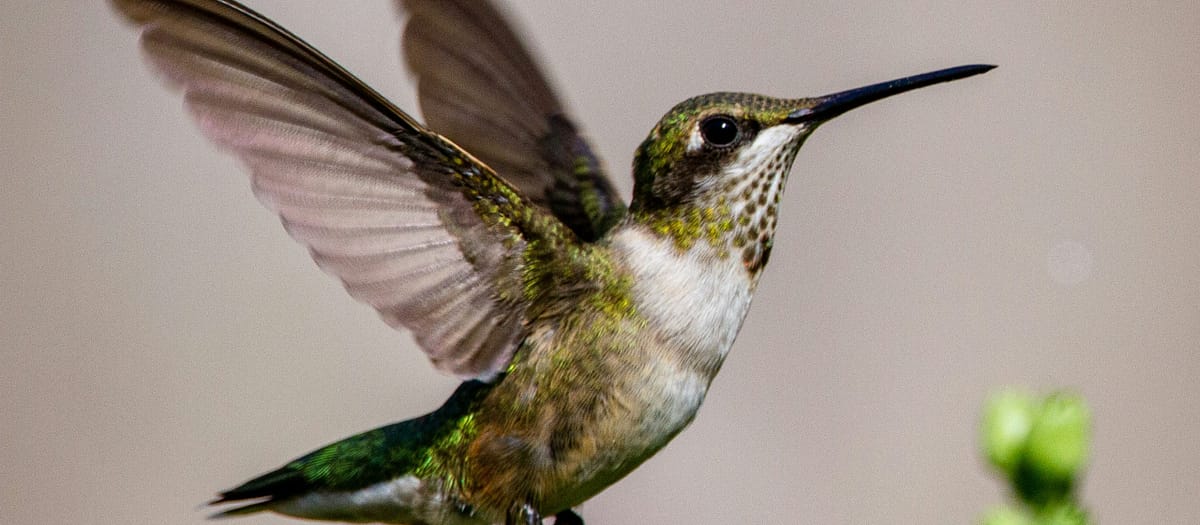
- Summer (June–August): Look for Ruby-throated Hummingbirds at nectar feeders, Barn Swallows catching insects overhead, and Eastern Bluebirds in open areas.
- Fall (September–October): Sparrow diversity peaks with White-throated, White-crowned, and Fox Sparrows joining the resident Song Sparrows.
- Winter (November–March): American Tree Sparrows, Pine Siskins (irruption years), and occasionally Red-breasted Nuthatches join the winter feeder crowd.
Best Feeders for Ohio Backyard Birds
To attract the widest range of backyard birds in Ohio, use a mix of feeder types. Different species have different feeding preferences, and offering variety means more birds and more activity at your setup. Check out our full guide on how different states compare for regional context.
- Hopper/tube feeders with black-oil sunflower seed → Cardinals, Chickadees, Finches, Nuthatches
- Platform feeder with mixed seed or millet → Juncos, Sparrows, Mourning Doves
- Suet cage → Woodpeckers, Nuthatches, Chickadees
- Nyjer tube feeder → Goldfinches, House Finches, Pine Siskins
- Nectar feeder → Ruby-throated Hummingbirds (summer)
🔍 Find Birds in Your Ohio Zip Code — Free Tool
Ohio is a big state with significant regional variation. Birds common in Cleveland’s lakeside neighborhoods might differ from those in Cincinnati’s suburban hills or Hocking Hills’ forested valleys. Use our free Zip Lookup Tool to see which birds are most commonly reported in your specific area:
🐦 What Birds Are Near You?
Enter your Ohio zip code to discover which species visit backyards in your area — updated with real birding data.
🔍 Look Up My Zip Code →Free · No signup required · Works for all 50 states
Recommended Feeders for Ohio Birds
Here are our top feeder picks to attract the most common Ohio backyard birds:
- 🌻 Kingsyard Metal Hopper Bird Feeder ($19.99) — Dual-chamber, weather-resistant, 4 lb capacity. Perfect for cardinals and chickadees year-round.
- 🌿 Squirrel-Proof Tube Bird Feeder ($18.98) — 6-port tube feeder with locking lid. Ideal for goldfinches and house finches.
- 🪵 Kingsyard Platform Bird Feeder ($19.99) — Recycled plastic mesh tray. Great for juncos, sparrows, and doves foraging at ground level.
- 🐦 More Birds Double Suet Cage Feeder ($14.39) — Steel construction, holds 2 suet cakes. Must-have for Downy and Red-bellied Woodpeckers.
- 🪝 Kingsyard Bird Feeding Station Kit ($27.99) — 85-inch pole with 5-prong base. Mount multiple feeders to create a full feeding station.
Tips for Attracting More Ohio Birds
- Use black-oil sunflower seed as your base: It’s the single best seed for attracting the widest variety of Ohio birds. Almost every species listed above eats it.
- Add a heated bird bath in winter: Fresh, unfrozen water is rare in Ohio winters and birds will travel to find it. A heated bath can triple your winter bird activity.
- Plant native trees and shrubs: Ohio native plants like serviceberry, dogwood, and native viburnums provide natural food and shelter that feeders can’t replicate.
- Keep feeders clean: Clean feeders every 1-2 weeks to prevent mold and disease. This is especially important in Ohio’s humid summers.
- Place feeders at varied heights: Cardinals prefer 5-6 feet off the ground; juncos and sparrows prefer ground level; chickadees and finches will use feeders at any height.
Frequently Asked Questions About Ohio Backyard Birds
What is the most common backyard bird in Ohio?
The Northern Cardinal is arguably Ohio’s most iconic backyard bird, appearing year-round at feeders across the state. The American Robin and Black-capped/Carolina Chickadee are also extremely widespread. In terms of sheer numbers at feeders, House Sparrows and House Finches often dominate, though many birders prefer to attract native species with targeted seed choices.
Do hummingbirds come to Ohio?
Yes! Ruby-throated Hummingbirds arrive in Ohio in late April or early May and stay through September. They’re the only breeding hummingbird species in the state. Put up a nectar feeder (4 parts water to 1 part white sugar, no red dye needed) by late April and you’ll likely have visitors within days. Occasional rare western species like Rufous Hummingbirds have been reported in Ohio in fall.
What birds stay in Ohio all winter?
Many Ohio birds are year-round residents: Northern Cardinal, Black-capped Chickadee, Tufted Titmouse, Downy and Red-bellied Woodpeckers, White-breasted Nuthatch, Blue Jay, and Mourning Dove all stay through winter. They’re joined by winter visitors like Dark-eyed Juncos, American Tree Sparrows, and (in irruption years) Pine Siskins and Common Redpolls.
Why don’t birds come to my feeder in Ohio?
New feeders can take 1-4 weeks for birds to discover, especially in summer when natural food is abundant. If birds still aren’t coming, check that you’re using fresh seed (not moldy or old), the feeder is placed 10-15 feet from cover (shrubs/trees), and there are no cats or other disturbances nearby. Offering black-oil sunflower seed is your fastest path to feeder activity in Ohio.
What birds in Ohio have red on them?
Several Ohio birds display red plumage: the male Northern Cardinal (all red body), the Red-bellied Woodpecker (red cap), the House Finch and Purple Finch (rosy-red head and breast), the American Robin (rusty-orange breast), and during migration, Scarlet Tanagers (brilliant red body with black wings). In summer, Baltimore Orioles show brilliant orange-red that can look red in certain light.
Is birding popular in Ohio?
Ohio is one of the top birding destinations in the entire country, largely due to the Magee Marsh Wildlife Area near Lake Erie. Every May, birders from around the world visit for the Biggest Week in American Birding festival, when thousands of warblers concentrate along the lakeshore. Ohio’s Crane Creek area has been called “the warbler capital of the world” during spring migration.
Leave a Reply