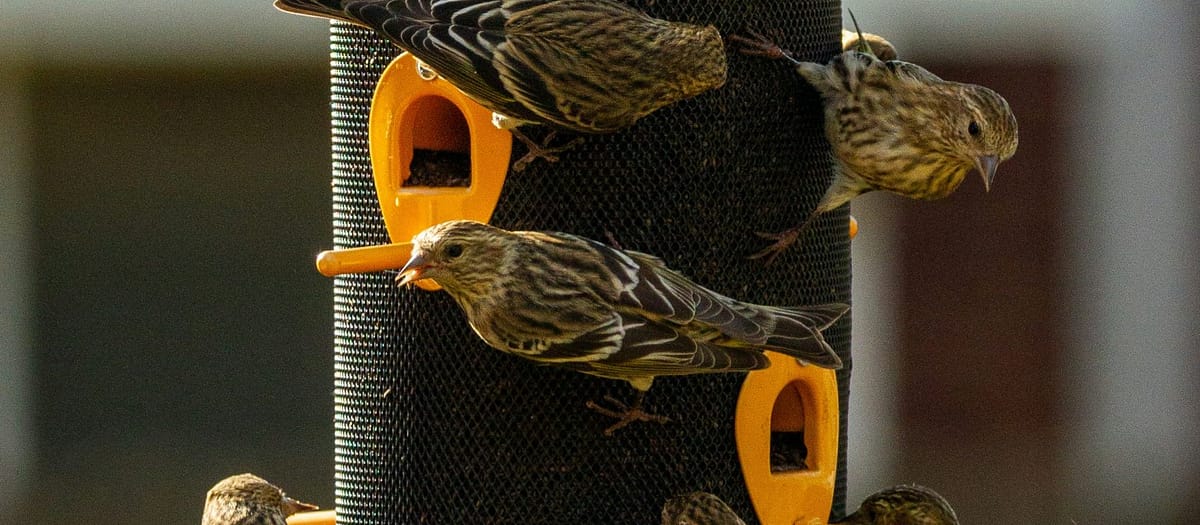
The Complete Backyard Bird Feeder Setup Planner: Your Shortcut to Happy Birds
There’s nothing quite like watching a goldfinch land on a feeder outside your window—except maybe the moment of panic that comes right before it. If you’re standing in front of rows of feeders at the store wondering “How do I even choose?” or you’ve already bought three different types and have no idea which goes where, you’re not alone. Setting up a backyard bird feeder setup that actually works doesn’t have to be complicated, and it definitely doesn’t require a degree in ornithology.
Try Our Free Bird Feeder Setup Planner
We built a simple tool that takes the guesswork out of planning your bird feeding station. Answer a few quick questions about your space, budget, and which birds you’re excited to see, and the planner will suggest the perfect feeder combination for you. It’s like having an experienced birder in your corner.
Why Setting Up a Bird Feeding Station Feels Complicated
Let’s be honest: there are a lot of options. Tube feeders, platform feeders, suet cakes, nyjer socks, hopper feeders—each one attracts different birds and requires different seeds. Add in questions about placement, spacing, and how much seed you’ll actually need, and it’s easy to feel like you’re in over your head.
The thing is, most of these decisions come down to a few simple factors: what birds you want to attract, how much space you have, and your budget. Once you know those three things, the rest falls into place.
What the Right Setup Actually Looks Like
A great bird feeding station doesn’t need to be fancy or expensive. It just needs to be thoughtful. Most beginners get the best results with a combination of feeder types: a tube feeder for small finches, a hopper feeder for chickadees and nuthatches, and maybe a suet cage for woodpeckers. Each one serves a purpose, and each one brings different birds to your yard.
The key is spacing them out so birds don’t feel crowded and positioning them where you can actually see the action from your window.
Watch Your Birds in Real-Time with Birdfy Smart Feeders
Want to take your bird watching to the next level? A Birdfy smart feeder with camera and solar power lets you see real-time footage of birds visiting your feeders directly from your phone. With AI-powered bird identification that recognizes 6000+ species instantly, you’ll know exactly what’s visiting your yard. No more guessing—just incredible footage and automatic alerts when birds arrive. Another great option is the 2K AI camera bird feeder for high-resolution clarity and real-time recording. These smart feeders combine the best of traditional feeders with cutting-edge technology.
How to Choose Based on Your Yard and Budget
Not everyone has an acre of land or a unlimited budget—and that’s fine. The question isn’t “What’s the best setup?” but rather “What’s the best setup for you?” A small apartment balcony needs a different approach than a sprawling suburban yard. A beginner on a tight budget needs different advice than someone ready to invest in premium feeders.
That’s where making a plan comes in handy. Instead of guessing, you can match your setup to your actual situation and avoid wasting money on feeders you won’t use.
Once you know what feeders to get, you can use our free bird seed calculator to figure out exactly how much seed to buy. And if you’re curious about which species might show up in your yard once everything is set up, our What Birds Are In My Backyard tool can help with that too.
What to Expect After Setting Up Your Feeders
Give your new setup a week or two to settle in. Birds are curious but cautious, so it might take a few days before they trust the feeders. Once they do, though, it’s honestly addictive. You’ll find yourself checking on them throughout the day—and that’s the whole point.
The beautiful part is that a good setup keeps working year after year. You’ll refine it over time, maybe add a new feeder type or adjust placements based on what you learn. And every step of the way, you’ll be creating a little sanctuary right outside your home.
Ready to start? Use the planner above to design your perfect bird feeding station today. Your backyard (and your local bird population) will thank you.
[…] Build My Feeder Setup → See what birds are near you → […]
[…] Find the Right Seed for These Birds → Or build your complete feeder setup → […]
[…] to set up the perfect feeding station? Check out our complete feeder setup planner for a step-by-step guide. Subscribe to our email list for weekly bird feeding tips and exclusive […]
[…] in summer. Their distinctive “chick-a-dee-dee-dee” call is unmistakable. They prefer tube feeders filled with black oil sunflower seeds and will become regular visitors if you provide consistent […]
[…] coming after checking these factors, you may need a complete feeder setup overhaul. Use our Feeder Setup Planner tool to design a customized feeding station that works for your specific yard and […]
[…] to implement your winter bird feeding system? Use our Feeder Setup Planner to design a custom winter configuration for your yard and […]
[…] a complete feeding setup that includes easy-fill options, try our Feeder Setup Planner. It helps you choose the right combination of feeders (including easy-fill models) based on your […]
[…] native plants with proper feeders using our feeder setup planner to create the ultimate bird-attracting […]
[…] a complete bird feeding setup that includes squirrel-resistant options, use our Feeder Setup Planner to design a system that maximizes bird access while minimizing squirrel […]
[…] managing squirrel access requires more than just one feeder type. Use our Feeder Setup Planner to design a customized feeding station that combines multiple strategies for your specific yard and […]
[…] 👉 Try the Free Feeder Planner → […]
[…] 👉 Try the Free Feeder Planner […]